
Common Misconceptions About Access Floor Panels Debunked: The Ultimate Guide
Common Misconceptions About Access Floor Panels Debunked
Table of Contents
1. Introduction to Access Floor Panels
2. Understanding Access Floor Panels: What Are They?
3. Common Misconceptions About Access Floor Panels
3.1 Misconception #1: Access Floor Panels Are Only for IT Rooms
3.2 Misconception #2: They Are Expensive and Cost-Prohibitive
3.3 Misconception #3: Access Floor Panels Are Not Durabl
2026年08月23日
Common Misconceptions About Access Floor Panels Debunked
Table of Contents
1. Introduction to Access Floor Panels
2. Understanding Access Floor Panels: What Are They?
3. Common Misconceptions About Access Floor Panels
3.1 Misconception #1: Access Floor Panels Are Only for IT Rooms
3.2 Misconception #2: They Are Expensive and Cost-Prohibitive
3.3 Misconception #3: Access Floor Panels Are Not Durable
3.4 Misconception #4: They Are Difficult to Install
3.5 Misconception #5: Access Floors Complicate Maintenance
4. The Benefits of Using Access Floor Panels
4.1 Enhanced Flexibility for Modern Workspaces
4.2 Improved Aesthetics and Design Options
4.3 Safety and Accessibility Features
5. How to Choose the Right Access Floor Panels for Your Project
6. Frequently Asked Questions
6.1 What are the main applications of access floor panels?
6.2 How long do access floor panels typically last?
6.3 Are access floor panels suitable for residential use?
6.4 Can access floor panels be used in wet environments?
6.5 What maintenance is required for access floor panels?
7. Conclusion: The Future of Access Floor Panels
1. Introduction to Access Floor Panels
Access floor panels have transformed the landscape of flooring solutions in commercial and industrial spaces. Often overlooked or misunderstood, these innovative systems serve a multitude of purposes beyond traditional flooring. In this article, we will address common misconceptions about access floor panels and highlight their benefits, applications, and considerations for selection.
2. Understanding Access Floor Panels: What Are They?
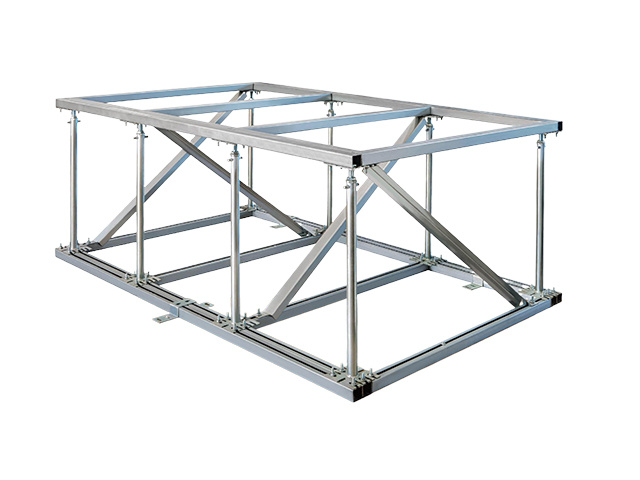
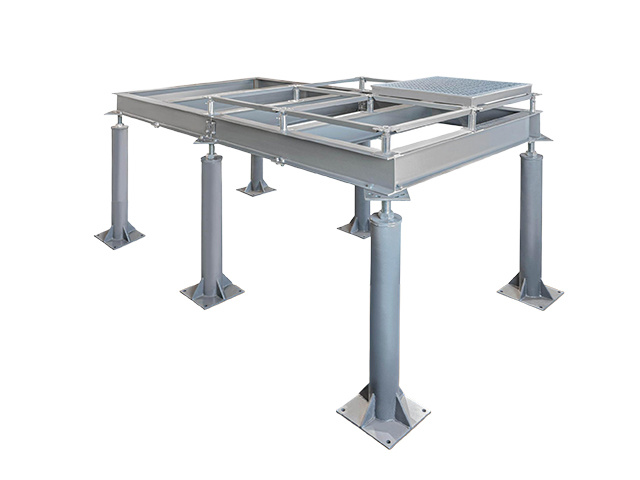
Access floor panels are raised flooring systems that create a void between the original floor and the raised surface. This space allows for the efficient routing of electrical, data, and mechanical services while providing easy access for maintenance and changes in layout. These panels can be made of various materials, including steel, aluminum, and wood, offering adaptability for different environments.
3. Common Misconceptions About Access Floor Panels
3.1 Misconception #1: Access Floor Panels Are Only for IT Rooms
A prevalent belief is that access floor panels are solely designed for IT and data centers. While they are indeed invaluable in providing cable management and airflow in these settings, their applications extend far beyond. Access floor panels are increasingly utilized in offices, retail spaces, educational institutions, and even healthcare facilities, offering flexibility in design and functionality.
3.2 Misconception #2: They Are Expensive and Cost-Prohibitive
Many assume that the installation of access floor panels leads to exorbitant costs. However, the reality is that these systems can be cost-effective in the long run. They reduce the need for costly renovations when changes are required, as they allow for simple reconfiguration of office layouts and easy access to underfloor services. Moreover, with various options available, businesses can find solutions that fit their budget.
3.3 Misconception #3: Access Floor Panels Are Not Durable
Some people perceive access floor panels as fragile and unsuitable for high-traffic areas. On the contrary, modern access floor panels are engineered to withstand heavy loads and resist wear. They undergo rigorous testing to meet industry standards for durability and strength, making them ideal for busy environments such as airports, shopping malls, and office buildings.
3.4 Misconception #4: They Are Difficult to Install
Another common misconception is that access floor panels are complicated and time-consuming to install. While the installation process requires careful planning and skilled labor, it is relatively straightforward compared to traditional flooring methods. With the right expertise, access floor systems can be installed efficiently, minimizing disruptions to business operations.
3.5 Misconception #5: Access Floors Complicate Maintenance
Many believe that maintaining access floor panels is cumbersome and challenging. In reality, these systems are designed for easy accessibility, allowing for quick maintenance of electrical and mechanical systems without disrupting the entire floor. Additionally, any necessary repairs or replacements of individual panels can be done swiftly, contributing to overall efficiency.
4. The Benefits of Using Access Floor Panels
Access floor panels offer a range of benefits that make them an attractive flooring option for both commercial and residential applications.
4.1 Enhanced Flexibility for Modern Workspaces
In today's dynamic work environment, flexibility is crucial. Access floor panels allow for easy rearrangement of office spaces to accommodate changing team sizes and layouts. This adaptability promotes collaboration and productivity.
4.2 Improved Aesthetics and Design Options
Gone are the days when access floors were bulky and unattractive. Modern access panels come in various materials and finishes, complementing any interior design. Whether your style is contemporary or traditional, there are options available to suit your aesthetic vision.
4.3 Safety and Accessibility Features
Accessibility is a critical component of any workspace. Access floor panels can be designed to meet ADA (Americans with Disabilities Act) requirements, ensuring safe and easy access for all individuals. Moreover, the raised structure can help reduce trip hazards, enhancing overall safety.
5. How to Choose the Right Access Floor Panels for Your Project
Selecting the appropriate access floor panels involves considering various factors:
1. **Material Type**: Assess the materials available and choose based on your needs, such as weight capacity and surface finish.
2. **Height**: Determine the required height of the access floor based on the volume of services needing accommodation.
3. **Load Requirements**: Evaluate the anticipated foot traffic and load requirements to ensure the panels can withstand usage.
4. **Aesthetics**: Choose finishes and styles that align with your overall design vision.
5. **Installation Process**: Work with experienced professionals who can provide insight into the best practices for installation.
6. Frequently Asked Questions
6.1 What are the main applications of access floor panels?
Access floor panels are commonly used in data centers, offices, telecommunications facilities, and educational institutions. Their flexibility makes them suitable for a variety of environments.
6.2 How long do access floor panels typically last?
With proper maintenance, access floor panels can last 25 years or more, depending on their material and usage conditions.
6.3 Are access floor panels suitable for residential use?
Yes, access floor panels can be effectively utilized in residential settings, particularly in home offices or areas requiring regular access to electrical and mechanical systems.
6.4 Can access floor panels be used in wet environments?
Certain access floor panels are designed specifically for wet environments, such as bathrooms and kitchens, ensuring durability and safety.
6.5 What maintenance is required for access floor panels?
Regular cleaning and occasional inspections for loose panels or connections are generally sufficient to maintain access floor systems.
7. Conclusion: The Future of Access Floor Panels
Access floor panels are a versatile solution that offers numerous benefits, from enhanced flexibility to improved aesthetics. By debunking common misconceptions, we can appreciate the true potential of these systems in modern design and architecture. Embracing access floor panels not only facilitates functional space management but also contributes to creating an appealing, accessible environment for all. As architectural trends continue to evolve, access floor panels will undoubtedly play a pivotal role in shaping the future of flooring solutions.

Contact us
Email address
Company address
Hengshanqiao Town, Wujin District, Changzhou City, Jiangsu Province