
Understanding Raised Access Flooring: Benefits and Applications in Modern Architecture
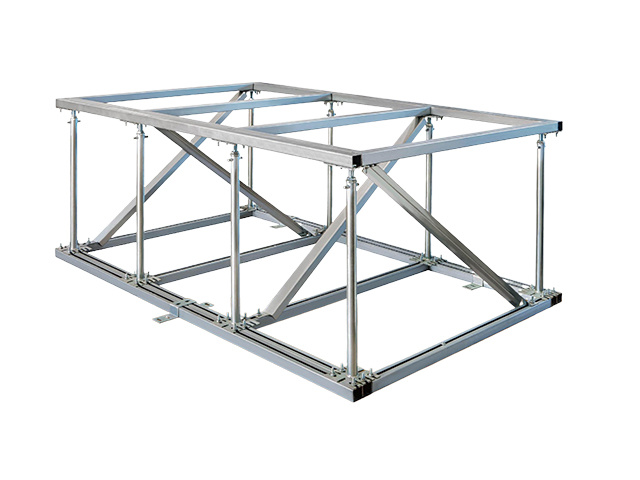
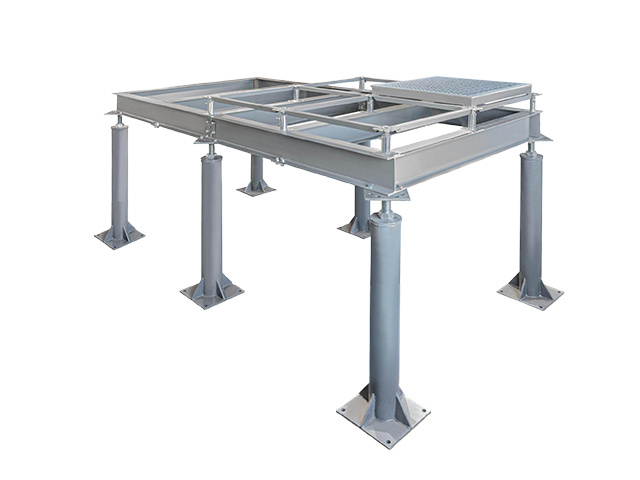
Raised access flooring, often utilized in office buildings, data centers, and educational institutions, consists of a series of elevated floor panels supported by a network of pedestals. This design creates a concealed space beneath the floor, allowing for the efficient routing of electrical, data, and mechanical services. The ability to access these services easily is a primary advantage, making
2026年08月28日
Raised access flooring, often utilized in office buildings, data centers, and educational institutions, consists of a series of elevated floor panels supported by a network of pedestals. This design creates a concealed space beneath the floor, allowing for the efficient routing of electrical, data, and mechanical services. The ability to access these services easily is a primary advantage, making raised access flooring particularly appealing in environments that require frequent updates or modifications.
One of the key benefits of raised access flooring is its adaptability. As technology evolves, the infrastructure of a building must also accommodate changes without extensive renovations. Raised access flooring provides a flexible solution that allows for the easy reconfiguration of office layouts and workspace designs. For instance, companies can rearrange or add workstations, data outlets, and electrical connections without the need for disruptive construction work. This adaptability not only enhances functionality but also supports a more dynamic and collaborative work environment.
Moreover, raised access flooring can contribute significantly to improved building aesthetics and comfort. The concealed space can also be used for enhanced acoustic performance or to improve air circulation, which is particularly advantageous in large, open-plan offices. By integrating heating, ventilation, and air conditioning systems within the flooring system, raised access flooring can promote a more comfortable atmosphere for occupants.
Another important aspect of raised access flooring is its impact on sustainability. As businesses increasingly seek environmentally friendly solutions, raised access flooring can support energy-efficient practices by allowing for the easy installation of energy-saving technologies and smart building systems. Additionally, the materials used in raised access flooring systems can often be recycled, further contributing to a building's overall sustainability profile.
From a maintenance perspective, raised access flooring simplifies the process of servicing mechanical and electrical systems. The ability to access these systems quickly without disrupting the workspace is crucial for maintaining operational efficiency. This feature is particularly valuable in environments such as data centers, where uptime is critical.
In conclusion, raised access flooring offers numerous benefits that align with the needs of modern architectural design and facility management. Its flexibility, aesthetic appeal, sustainability, and ease of maintenance make it a preferred choice for various sectors. As the architectural landscape continues to evolve, the role of raised access flooring in creating functional and adaptable spaces will undoubtedly become increasingly significant.

Contact us
Email address
Company address
Hengshanqiao Town, Wujin District, Changzhou City, Jiangsu Province