
Elevated Floor Tiles: Combining Functionality and Style for Modern Spaces
Elevated Floor Tiles: Combining Functionality and Style for Modern Spaces
Table of Contents
1. Introduction to Elevated Floor Tiles
2. Benefits of Using Elevated Floor Tiles
3. Installation Process for Elevated Floor Tiles
4. Maintenance Tips for Elevated Floor Tiles
5. Design Options for Elevated Floor Tiles
6. Costs Involved in Elevated Floor Tile Projects
7. Env
2026年08月03日
Elevated Floor Tiles: Combining Functionality and Style for Modern Spaces
Table of Contents
- 1. Introduction to Elevated Floor Tiles
- 2. Benefits of Using Elevated Floor Tiles
- 3. Installation Process for Elevated Floor Tiles
- 4. Maintenance Tips for Elevated Floor Tiles
- 5. Design Options for Elevated Floor Tiles
- 6. Costs Involved in Elevated Floor Tile Projects
- 7. Environmental Impact of Elevated Floor Tiles
- 8. Conclusion: The Future of Elevated Floor Tiles
- 9. FAQs About Elevated Floor Tiles
1. Introduction to Elevated Floor Tiles
Elevated floor tiles have emerged as a popular choice in contemporary construction and interior design. These tiles not only serve as a functional flooring solution but also enhance the overall aesthetic appeal of a space. By raising the floor level, they provide unique advantages such as improved air circulation, easy access to electrical and plumbing systems, and enhanced sound insulation. As we delve deeper into the world of elevated floor tiles, we will explore their benefits, installation processes, maintenance requirements, and design possibilities.
2. Benefits of Using Elevated Floor Tiles
Elevated floor tiles offer a myriad of advantages that make them appealing for both residential and commercial spaces. Below are some of the key benefits:
2.1 Enhanced Air Circulation
Elevated floors create a space between the ground and the flooring, allowing for better air circulation. This is particularly beneficial in commercial spaces or environments where climate control is crucial. The air can flow freely underneath the flooring, reducing humidity and the potential for mold growth.
2.2 Easy Access to Utilities
One of the most significant advantages of elevated floor tiles is the accessibility they provide. The space beneath the tiles can easily accommodate wiring, plumbing, and HVAC systems. This allows for quick and hassle-free maintenance or upgrades without the need for extensive renovations.
2.3 Improved Sound Insulation
Elevated floor systems can significantly reduce noise transmission between floors. The air gap, along with the materials used in the tiles, contributes to better sound insulation, making them ideal for office environments or multi-story buildings.
2.4 Aesthetic Versatility
With a variety of styles, colors, and finishes available, elevated floor tiles can complement any interior design theme. They can be used to create stunning visual effects, enhancing both residential and commercial spaces.
3. Installation Process for Elevated Floor Tiles
Installing elevated floor tiles requires careful planning and execution. Here’s a step-by-step guide to help you understand the process:
3.1 Planning and Design
Before installation, it's crucial to plan the layout and design of your elevated floor. Consider the purpose of the space, the type of tile materials, and the necessary utilities that will be accommodated below the floor.
3.2 Preparing the Subfloor
Ensure that the subfloor is clean, dry, and level. Any imperfections should be addressed to prevent issues during installation. This step is vital for ensuring the longevity and durability of the elevated floor.
3.3 Installing the Pedestals
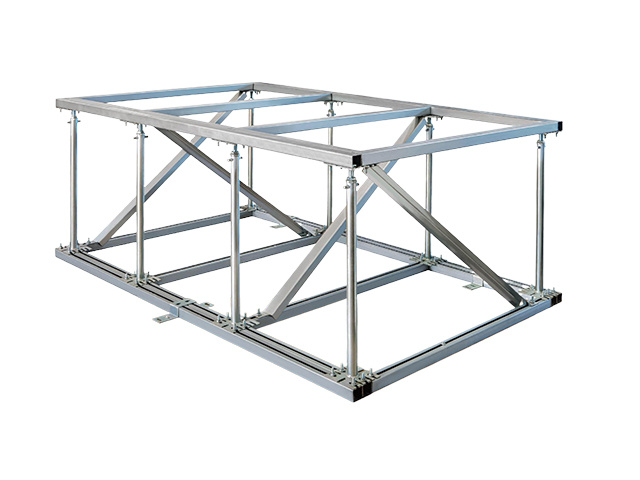
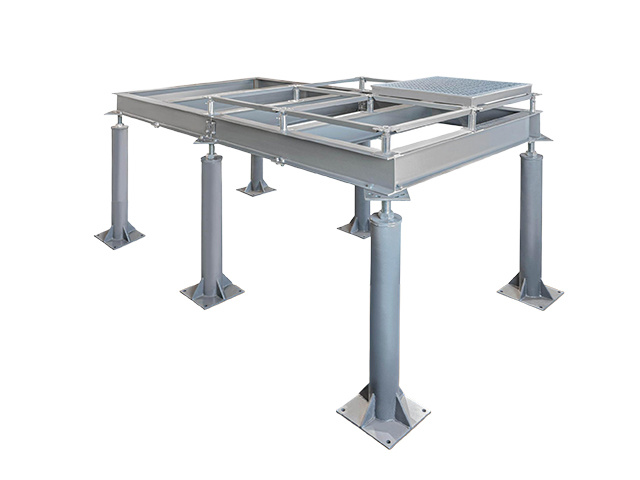
Elevated floor tiles are typically supported by a system of pedestals. These pedestals are adjustable and should be installed according to the planned layout, ensuring they are evenly spaced for optimal support.
3.4 Laying the Tiles
Once the pedestals are in place, the elevated floor tiles can be laid. Start from one corner and work your way across the surface, ensuring that each tile is aligned properly.
3.5 Final Adjustments and Finishing Touches
After all tiles are installed, make any necessary adjustments to ensure the floor is level. Add any finishing touches, such as trims or transitions, to complete the look.
4. Maintenance Tips for Elevated Floor Tiles
Maintaining elevated floor tiles is relatively straightforward, but regular care is essential to ensure their longevity. Here are some maintenance tips:
4.1 Regular Cleaning
Keep your elevated floor tiles clean by sweeping or vacuuming regularly to remove dust and debris. Use a damp mop and mild detergent for deeper cleaning, avoiding harsh chemicals that could damage the tiles.
4.2 Inspect for Damage
Periodically inspect the tiles and the pedestals for any signs of wear or damage. Address any issues immediately to prevent further complications.
4.3 Maintain Air Circulation
Ensure that the space beneath the tiles remains unobstructed to maintain optimal air circulation. This will help prevent moisture buildup and maintain the integrity of the flooring system.
5. Design Options for Elevated Floor Tiles
The versatility of elevated floor tiles allows for a wide range of design options. Here are some popular choices:
5.1 Material Choices
Elevated floor tiles come in various materials, including ceramic, porcelain, stone, and vinyl. Each material offers unique benefits and aesthetic qualities, allowing homeowners and designers to select according to their preferences.
5.2 Color and Finish Variations
From bold colors to subtle neutrals, elevated floor tiles can be found in numerous shades and finishes. Glossy finishes can create a modern look, while matte finishes add warmth and texture.
5.3 Creative Layouts
Experimenting with tile layouts can transform the overall appearance of a space. Consider diagonal patterns, herringbone designs, or mixed materials for a unique and personalized touch.
6. Costs Involved in Elevated Floor Tile Projects
Understanding the costs associated with elevated floor tile projects is crucial for budgeting. Here are some factors to consider:
6.1 Material Costs
The cost of elevated floor tiles varies significantly based on the material chosen. Ceramic and vinyl tiles are generally more affordable, while natural stone tiles can be more expensive.
6.2 Installation Costs
Hiring professionals for installation will incur additional costs. However, if you opt for a DIY approach, you can save money. Keep in mind that installation complexity can affect labor costs.
6.3 Maintenance Expenses
While elevated floor tiles require minimal maintenance, it's essential to factor in cleaning supplies and the potential need for repairs over time.
7. Environmental Impact of Elevated Floor Tiles
In today's world, sustainability is a key consideration in construction and design. Elevated floor tiles can contribute positively to environmental efforts:
7.1 Sustainable Materials
Many manufacturers now offer elevated floor tiles made from recycled or sustainably sourced materials. This choice reduces environmental impact while maintaining quality and aesthetics.
7.2 Energy Efficiency
The improved insulation properties of elevated floors can enhance energy efficiency within a building, leading to reduced heating and cooling costs.
7.3 Lifespan and Durability
Elevated floor tiles are designed to last, reducing the need for frequent replacements. This longevity is beneficial not only for homeowners but also for the environment by minimizing waste.
8. Conclusion: The Future of Elevated Floor Tiles
Elevated floor tiles represent a convergence of functionality and style, offering a unique solution for modern spaces. Their benefits, from enhanced air circulation to improved accessibility, make them increasingly popular among homeowners and designers alike. With various design options available and a focus on sustainability, elevated floor tiles are poised to become a staple in both residential and commercial applications. As we move forward into a more environmentally conscious and design-savvy future, elevated floor tiles will undoubtedly play a significant role in shaping our spaces.
9. FAQs About Elevated Floor Tiles
9.1 What are elevated floor tiles made of?
Elevated floor tiles can be made from various materials including ceramic, porcelain, vinyl, and natural stone, allowing for a variety of aesthetic choices and performance characteristics.
9.2 How do I clean elevated floor tiles?
Regular cleaning involves sweeping or vacuuming to remove dust and debris, followed by a damp mop with mild detergent for deeper cleaning.
9.3 Are elevated floor tiles suitable for all environments?
Yes, elevated floor tiles are suitable for a range of environments, including residential homes, offices, and commercial spaces, due to their versatility and functionality.
9.4 How long do elevated floor tiles last?
With proper care and maintenance, elevated floor tiles can last for many years, making them a durable flooring option.
9.5 Can I install elevated floor tiles myself?
While it is possible to install elevated floor tiles as a DIY project, hiring professionals may be advisable for complex layouts or to ensure proper installation.

Contact us
Email address
Company address
Hengshanqiao Town, Wujin District, Changzhou City, Jiangsu Province