
Understanding Raised Access Floor Pedestals: Key Features and Benefits
Raised access floor pedestals are an integral component of modern flooring systems, particularly in office buildings, data centers, and other commercial spaces where flexibility and accessibility are paramount. These pedestals support the elevated floor panels, creating a space between the structural floor and the finished floor above. This cavity serves various purposes, including housing electri
2026年08月08日
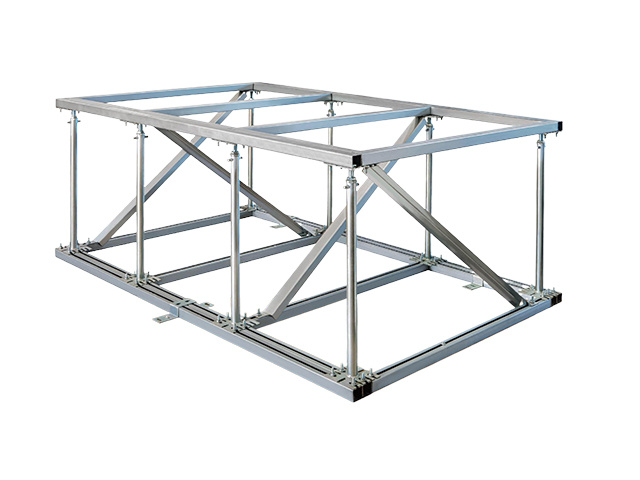
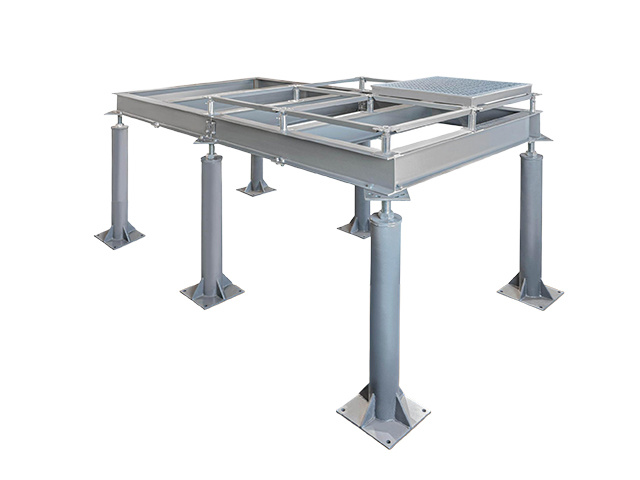
Raised access floor pedestals are an integral component of modern flooring systems, particularly in office buildings, data centers, and other commercial spaces where flexibility and accessibility are paramount. These pedestals support the elevated floor panels, creating a space between the structural floor and the finished floor above. This cavity serves various purposes, including housing electrical wiring, plumbing, and HVAC systems, which not only streamlines maintenance but also enhances the overall aesthetic appeal of the space.
One of the key features of raised access floor pedestals is their adjustable height. This adjustability allows for precise leveling of floor panels during installation, accommodating any irregularities in the building's structural floor. Each pedestal can be easily modified to ensure a uniform flooring surface, which is crucial for both functional and visual aspects of the space.
The material composition of these pedestals typically involves robust materials such as steel or aluminum, designed to withstand heavy loads while remaining lightweight. This combination of strength and weight efficiency is vital, especially in environments that require a significant amount of cabling and plumbing to be concealed under the floor. Furthermore, many pedestals come with a corrosion-resistant coating, enhancing their durability and lifespan in various environmental conditions.
Another notable benefit of raised access floor pedestals is the flexibility they provide in terms of space utilization. The void created beneath the raised floor can be utilized for future modifications, such as the addition of new power outlets or network connections, without the disruptive process of traditional wall or ceiling modifications. This adaptability not only saves time but also reduces potential downtime in commercial settings, making it a cost-effective solution for businesses.
In terms of installation, raised access floor pedestals simplify the process significantly. The lightweight nature of the pedestals combined with their modular design allows for quick assembly and disassembly. This is particularly advantageous for businesses that may need to reconfigure their spaces frequently. Additionally, the installation process can often be completed without specialized tools, further reducing labor costs and project timelines.
Ultimately, the use of raised access floor pedestals enhances the functionality and design of a space, providing a practical solution for modern construction needs. Their combination of adjustability, material strength, and adaptability makes them an essential choice for architects and designers aiming to create efficient and aesthetically pleasing environments. By understanding the significance of raised access floor pedestals, professionals in the building and decorative materials industry can make informed decisions that contribute to the success of their projects.
One of the key features of raised access floor pedestals is their adjustable height. This adjustability allows for precise leveling of floor panels during installation, accommodating any irregularities in the building's structural floor. Each pedestal can be easily modified to ensure a uniform flooring surface, which is crucial for both functional and visual aspects of the space.
The material composition of these pedestals typically involves robust materials such as steel or aluminum, designed to withstand heavy loads while remaining lightweight. This combination of strength and weight efficiency is vital, especially in environments that require a significant amount of cabling and plumbing to be concealed under the floor. Furthermore, many pedestals come with a corrosion-resistant coating, enhancing their durability and lifespan in various environmental conditions.
Another notable benefit of raised access floor pedestals is the flexibility they provide in terms of space utilization. The void created beneath the raised floor can be utilized for future modifications, such as the addition of new power outlets or network connections, without the disruptive process of traditional wall or ceiling modifications. This adaptability not only saves time but also reduces potential downtime in commercial settings, making it a cost-effective solution for businesses.
In terms of installation, raised access floor pedestals simplify the process significantly. The lightweight nature of the pedestals combined with their modular design allows for quick assembly and disassembly. This is particularly advantageous for businesses that may need to reconfigure their spaces frequently. Additionally, the installation process can often be completed without specialized tools, further reducing labor costs and project timelines.
Ultimately, the use of raised access floor pedestals enhances the functionality and design of a space, providing a practical solution for modern construction needs. Their combination of adjustability, material strength, and adaptability makes them an essential choice for architects and designers aiming to create efficient and aesthetically pleasing environments. By understanding the significance of raised access floor pedestals, professionals in the building and decorative materials industry can make informed decisions that contribute to the success of their projects.

Contact us
Email address
Company address
Hengshanqiao Town, Wujin District, Changzhou City, Jiangsu Province