
The Importance of Raised Floors in Data Centers: A Comprehensive Guide
---
In modern data centers, the design and infrastructure play a pivotal role in ensuring efficiency, reliability, and scalability. One of the most critical components of data center architecture is the raised floor system. A raised floor is essentially an elevated floor that creates a plenum space for managing electrical cabling, cooling ducts, and other essential infrastructure components. This
2026年07月29日
---
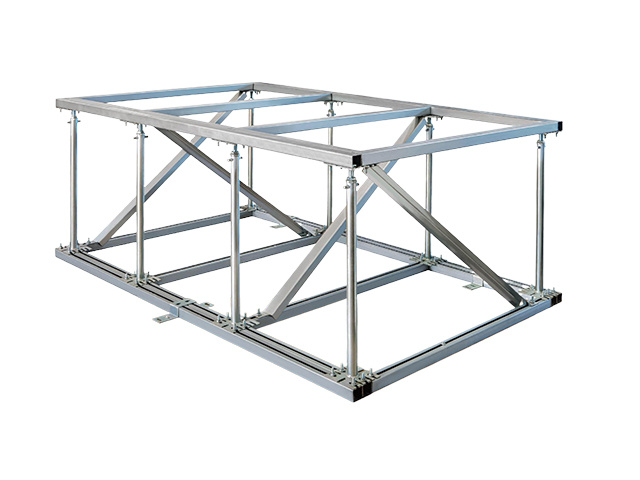
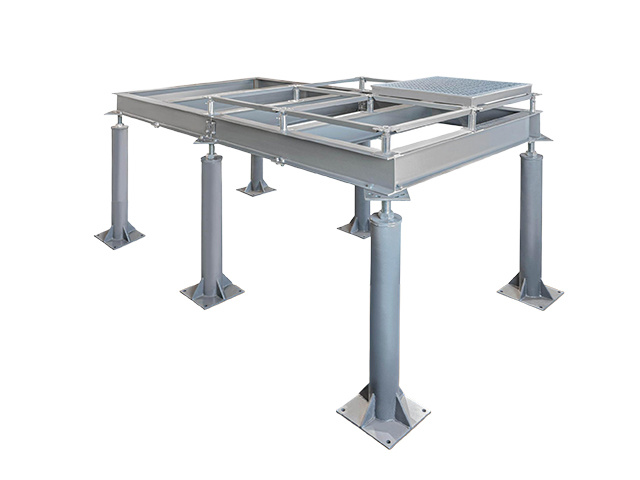
In modern data centers, the design and infrastructure play a pivotal role in ensuring efficiency, reliability, and scalability. One of the most critical components of data center architecture is the raised floor system. A raised floor is essentially an elevated floor that creates a plenum space for managing electrical cabling, cooling ducts, and other essential infrastructure components. This article delves into the advantages of raised floors in data centers and outlines the key considerations for implementing them effectively.
First and foremost, raised floors facilitate optimal airflow management, which is crucial for maintaining ideal temperatures within server rooms. By allowing cool air to flow from the plenum beneath the floor and into the equipment racks above, the raised floor system helps to prevent overheating and ensures that servers operate at peak performance. This is particularly important in high-density environments where multiple servers generate significant heat.
Additionally, raised floors offer substantial flexibility in terms of layout and future scalability. As data centers evolve and expand, the ability to easily rearrange equipment and cabling is invaluable. Raised floors provide the necessary space to accommodate additional power, cooling, and networking infrastructure without requiring major renovations. This adaptability contributes to the overall longevity and efficiency of the data center.
Another significant advantage of raised floors is their role in cable management. The plenum space beneath the floor is ideal for routing power and data cables, keeping them organized and out of the way. This not only improves aesthetics and safety but also simplifies maintenance and troubleshooting. Technicians can access the cabling easily without disrupting the equipment above, minimizing downtime and operational disruptions.
When planning for raised floors in a data center, several factors must be considered. The height of the raised floor is crucial; it should be sufficient to allow for adequate airflow while also accommodating any specific cooling requirements. Additionally, the materials used for the flooring should be durable and capable of withstanding the weight of heavy equipment. Common materials include steel, aluminum, and high-strength composites, each offering unique benefits.
Maintenance of the raised floor system is equally important. Regular inspections should ensure that airflow is not obstructed and that all cabling remains organized. Dust management is vital, as dust accumulation can hinder airflow and lead to overheating. Implementing a regular cleaning schedule can help maintain optimal performance.
In conclusion, data center raised floors are a fundamental aspect of modern data center design. They enhance cooling efficiency, provide flexibility for future expansion, and improve cable management. By considering key design and maintenance factors, operators can create an effective raised floor system that supports the demanding needs of today's technology-driven environments.
In modern data centers, the design and infrastructure play a pivotal role in ensuring efficiency, reliability, and scalability. One of the most critical components of data center architecture is the raised floor system. A raised floor is essentially an elevated floor that creates a plenum space for managing electrical cabling, cooling ducts, and other essential infrastructure components. This article delves into the advantages of raised floors in data centers and outlines the key considerations for implementing them effectively.
First and foremost, raised floors facilitate optimal airflow management, which is crucial for maintaining ideal temperatures within server rooms. By allowing cool air to flow from the plenum beneath the floor and into the equipment racks above, the raised floor system helps to prevent overheating and ensures that servers operate at peak performance. This is particularly important in high-density environments where multiple servers generate significant heat.
Additionally, raised floors offer substantial flexibility in terms of layout and future scalability. As data centers evolve and expand, the ability to easily rearrange equipment and cabling is invaluable. Raised floors provide the necessary space to accommodate additional power, cooling, and networking infrastructure without requiring major renovations. This adaptability contributes to the overall longevity and efficiency of the data center.
Another significant advantage of raised floors is their role in cable management. The plenum space beneath the floor is ideal for routing power and data cables, keeping them organized and out of the way. This not only improves aesthetics and safety but also simplifies maintenance and troubleshooting. Technicians can access the cabling easily without disrupting the equipment above, minimizing downtime and operational disruptions.
When planning for raised floors in a data center, several factors must be considered. The height of the raised floor is crucial; it should be sufficient to allow for adequate airflow while also accommodating any specific cooling requirements. Additionally, the materials used for the flooring should be durable and capable of withstanding the weight of heavy equipment. Common materials include steel, aluminum, and high-strength composites, each offering unique benefits.
Maintenance of the raised floor system is equally important. Regular inspections should ensure that airflow is not obstructed and that all cabling remains organized. Dust management is vital, as dust accumulation can hinder airflow and lead to overheating. Implementing a regular cleaning schedule can help maintain optimal performance.
In conclusion, data center raised floors are a fundamental aspect of modern data center design. They enhance cooling efficiency, provide flexibility for future expansion, and improve cable management. By considering key design and maintenance factors, operators can create an effective raised floor system that supports the demanding needs of today's technology-driven environments.

Contact us
Email address
Company address
Hengshanqiao Town, Wujin District, Changzhou City, Jiangsu Province