
Exploring Cost-Effectiveness: Are Raised Access Floors Worth the Investment?
Exploring Cost-Effectiveness: Are Raised Access Floors Worth the Investment?
Table of Contents
1. Introduction to Raised Access Floors
2. Understanding Raised Access Floors
3. Benefits of Raised Access Floors
3.1 Flexibility and Accessibility
3.2 Enhanced Aesthetics
3.3 Improved Airflow and HVAC Efficiency
4. Cost Considerations of Raised Access Floors
2026年06月24日
Exploring Cost-Effectiveness: Are Raised Access Floors Worth the Investment?
Table of Contents
- 1. Introduction to Raised Access Floors
- 2. Understanding Raised Access Floors
- 3. Benefits of Raised Access Floors
- 4. Cost Considerations of Raised Access Floors
- 5. Installation and Maintenance of Raised Access Floors
- 6. Sustainability and Environmental Impact
- 7. Case Studies: Raised Access Floors in Action
- 8. Conclusion
- 9. Frequently Asked Questions
1. Introduction to Raised Access Floors
Raised access floors have revolutionized the architectural and design landscape, particularly in commercial environments. These innovative flooring systems elevate the finished floor surface above the building's subfloor, creating a hidden space for essential electrical and mechanical systems. As businesses demand more versatile workspaces to accommodate technological advancements and shifting dynamics, the question arises: **Are raised access floors worth the investment?** This guide delves into their cost-effectiveness, benefits, installation, and maintenance aspects.
2. Understanding Raised Access Floors
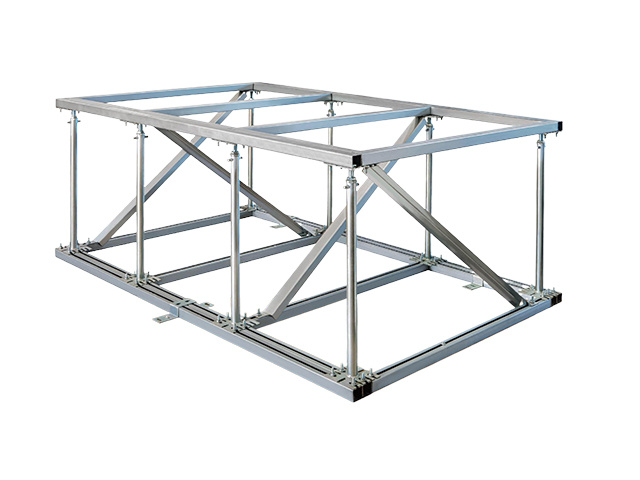
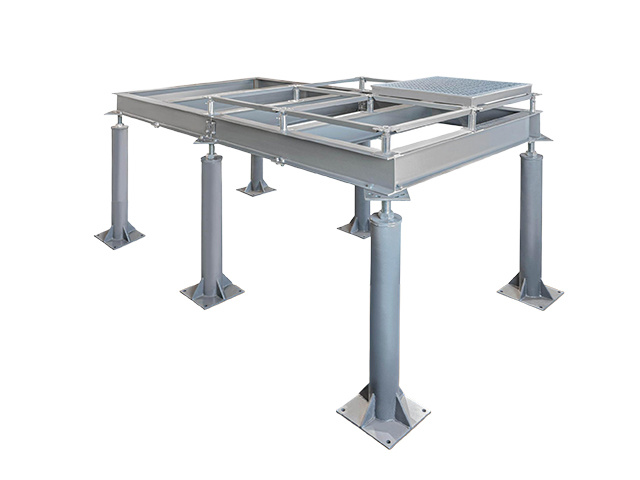
Raised access floors consist of modular panels supported by a framework of pedestals. They allow for easy access to the underlying infrastructure, such as power and data cables, plumbing, and HVAC systems. This design not only streamlines the installation of these systems but also facilitates future modifications without extensive renovations.
The flexibility of raised access floors makes them ideal for various applications, including office buildings, data centers, and educational institutions. With numerous materials available, from wood and steel to carpet and vinyl finishes, these flooring systems can complement any design aesthetic.
3. Benefits of Raised Access Floors
Raised access floors offer a multitude of advantages that can enhance both functionality and aesthetics within a space.
3.1 Flexibility and Accessibility
One of the primary benefits of raised access floors is their unparalleled flexibility. Organizations can easily adapt their layouts to accommodate changing technology and work styles. As businesses grow or evolve, companies can reconfigure their environments without extensive downtime or renovation costs. Furthermore, the accessibility of the space beneath the floor allows for quick repairs and upgrades, minimizing disruptions.
3.2 Enhanced Aesthetics
Raised access floors can significantly enhance the overall aesthetics of a workspace. With a variety of finishes available, businesses can create visually appealing environments that reflect their brand identity. The clean, modern look of raised access flooring can impress clients and boost employee morale.
3.3 Improved Airflow and HVAC Efficiency
Another key advantage of raised access floors is their ability to improve airflow and enhance HVAC efficiency. By positioning air diffusers within the raised floor, businesses can optimize climate control, resulting in more consistent temperature regulation and energy savings. This design feature is particularly beneficial in data centers, where excessive heat can damage equipment.
4. Cost Considerations of Raised Access Floors
When evaluating whether raised access floors are a worthwhile investment, businesses must consider both initial and long-term costs.
4.1 Initial Investment
The initial cost of installing raised access floors can vary depending on materials, design complexity, and space requirements. While the upfront expenses may be higher than traditional flooring options, it is essential to assess these costs in the context of potential long-term benefits. **Investing in raised access floors can lead to significant savings down the line.**
4.2 Long-Term Savings
Long-term savings associated with raised access floors can stem from various factors, including reduced maintenance costs, energy efficiency, and adaptability. The ability to easily reconfigure spaces can minimize renovation expenses and downtime, resulting in a more cost-effective solution over time. Furthermore, the operational efficiency provided by enhanced airflow and HVAC performance contributes to lower energy bills.
5. Installation and Maintenance of Raised Access Floors
Understanding the installation and maintenance requirements of raised access floors is crucial for informed decision-making.
5.1 Installation Process
The installation process for raised access floors typically involves several key steps:
1. **Planning and Design:** A thorough assessment of the space and requirements is conducted, including determining the layout of cabling, HVAC components, and the overall aesthetic.
2. **Preparation of the Subfloor:** The subfloor must be cleaned and leveled to ensure an even surface for the installation of pedestals and panels.
3. **Pedestal Installation:** Pedestals are strategically placed to support the panels and create the desired height for the raised floor.
4. **Panel Installation:** Modular panels are then installed on the pedestals, completing the flooring system.
5. **Finishing Touches:** Any additional elements, such as trim or access panels, are added to complete the installation.
5.2 Maintenance Requirements
Maintaining raised access floors is relatively straightforward. Regular inspections should be conducted to ensure panel integrity and verify that access points remain clear. Cleaning can be performed using standard floor care methods, and any necessary repairs can be executed quickly due to the accessible nature of the system.
6. Sustainability and Environmental Impact
In an era where sustainability is a top priority, raised access floors can contribute positively to environmental initiatives. Many manufacturers offer eco-friendly materials and designs that minimize waste. Additionally, the energy efficiency benefits associated with better airflow and HVAC performance can lead to a reduced carbon footprint.
Organizations that prioritize sustainability can leverage raised access flooring to support their green initiatives while also enjoying practical benefits.
7. Case Studies: Raised Access Floors in Action
To illustrate the value of raised access floors, consider the following case studies:
1. **Tech Corporation Headquarters:** A leading tech company opted for raised access floors in their new headquarters to accommodate a growing workforce and evolving technology needs. The flexibility allowed for quick reconfigurations of workspaces, supporting collaboration and innovation.
2. **Data Center Installation:** A major data center implemented raised access flooring to enhance airflow management. By strategically placing air diffusers, they achieved significant energy savings and improved equipment reliability.
3. **Educational Institution Renovation:** An educational institution integrated raised access floors during a campus renovation, enabling easy access to power and data connections throughout classrooms and labs, resulting in a modernized learning environment.
These examples highlight how raised access floors can deliver substantial benefits across various industries, demonstrating their cost-effectiveness and adaptability.
8. Conclusion
In conclusion, raised access floors present a compelling investment for businesses seeking flexibility, efficiency, and modernization. While the initial costs may appear higher than conventional flooring options, the long-term savings in terms of maintenance, energy efficiency, and adaptability make them a wise choice. As workplaces evolve to meet new demands, raised access floors stand out as a valuable solution that aligns with the needs of contemporary businesses.
By embracing this innovative flooring system, organizations can position themselves for success in an ever-changing landscape, ensuring their investments yield positive returns over time.
9. Frequently Asked Questions
1. What are the primary benefits of raised access floors?
The primary benefits include flexibility for space configuration, enhanced aesthetics, improved airflow, and HVAC efficiency.
2. Are raised access floors expensive to install?
While the initial investment can be higher than traditional flooring, the long-term savings and benefits often justify the cost.
3. How often do raised access floors require maintenance?
Regular inspections and standard cleaning practices are generally sufficient for maintaining raised access floors.
4. Can raised access floors support heavy equipment?
Yes, raised access floors are designed to support substantial weight, making them suitable for various applications, including data centers.
5. What materials are used for raised access floors?
Common materials include steel, wood, and composites, with various finishes available to suit different design preferences.

Contact us
Email address
Company address
Hengshanqiao Town, Wujin District, Changzhou City, Jiangsu Province