
Understanding Raised Access Floor Pedestals: Key Insights for Modern Construction
Raised access floor pedestals are an integral component in modern building design, particularly in office spaces, data centers, and other commercial facilities. These pedestals are designed to support raised access flooring systems, enabling a flexible and efficient way to manage electrical and data cabling, HVAC systems, and other utilities beneath the floor surface. The primary function of raise
2026年06月19日
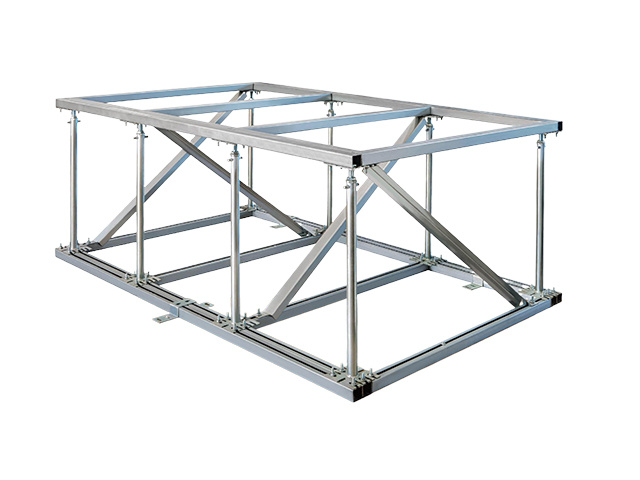
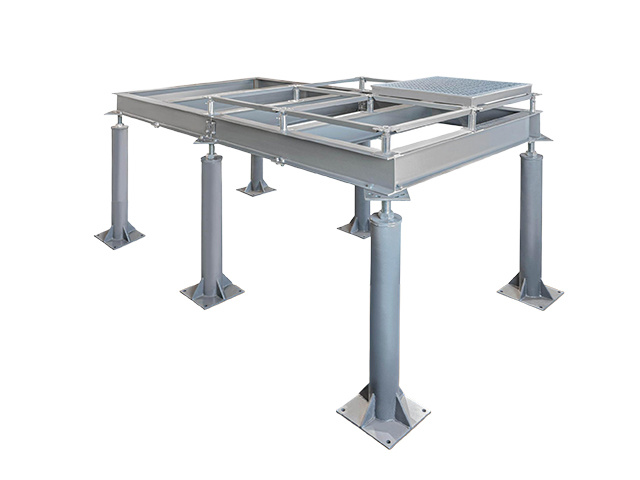
Raised access floor pedestals are an integral component in modern building design, particularly in office spaces, data centers, and other commercial facilities. These pedestals are designed to support raised access flooring systems, enabling a flexible and efficient way to manage electrical and data cabling, HVAC systems, and other utilities beneath the floor surface. The primary function of raised access floor pedestals is to create a space between the structural subfloor and the finished flooring, allowing for easy access to the underlying infrastructure.
One of the main advantages of using raised access floor pedestals is the enhanced flexibility they offer. As businesses evolve and adapt to new technologies, the need for reconfiguration of office layouts becomes essential. The modular nature of raised access flooring systems allows for quick and easy modifications without the need for extensive construction work. This adaptability is especially beneficial in dynamic environments where space utilization is critical.
Moreover, raised access floor pedestals contribute to improved airflow and climate control. By elevating the floor, these systems promote better air circulation, which can enhance the overall comfort of occupants while also optimizing the efficiency of heating, ventilation, and air conditioning systems. Consequently, this can lead to energy savings and a reduction in operational costs, making it an attractive option for environmentally conscious designs.
In terms of installation, raised access floor pedestals are typically adjustable, allowing for precise leveling and alignment during the setup process. This feature is particularly important in buildings with uneven subfloors, as it ensures a stable and secure base for the finished flooring. The materials used in these pedestals are often designed to withstand significant loads, making them suitable for a variety of applications, from light office environments to heavy-duty industrial settings.
Furthermore, aesthetic considerations can also be addressed with raised access floor systems. The top surface can be finished with various materials, including carpet, vinyl, or tiles, providing design flexibility that complements the overall architectural vision of the space. This versatility allows architects and designers to create visually appealing environments while maintaining functional integrity.
In summary, raised access floor pedestals play a crucial role in modern construction, offering flexibility, efficiency, and aesthetic options. Their ability to facilitate easy access to essential utilities makes them an invaluable choice for many commercial and industrial projects. Understanding the benefits and functionalities of these pedestals will empower professionals in the architecture and construction sectors to make informed choices that enhance the usability and adaptability of their designs.
One of the main advantages of using raised access floor pedestals is the enhanced flexibility they offer. As businesses evolve and adapt to new technologies, the need for reconfiguration of office layouts becomes essential. The modular nature of raised access flooring systems allows for quick and easy modifications without the need for extensive construction work. This adaptability is especially beneficial in dynamic environments where space utilization is critical.
Moreover, raised access floor pedestals contribute to improved airflow and climate control. By elevating the floor, these systems promote better air circulation, which can enhance the overall comfort of occupants while also optimizing the efficiency of heating, ventilation, and air conditioning systems. Consequently, this can lead to energy savings and a reduction in operational costs, making it an attractive option for environmentally conscious designs.
In terms of installation, raised access floor pedestals are typically adjustable, allowing for precise leveling and alignment during the setup process. This feature is particularly important in buildings with uneven subfloors, as it ensures a stable and secure base for the finished flooring. The materials used in these pedestals are often designed to withstand significant loads, making them suitable for a variety of applications, from light office environments to heavy-duty industrial settings.
Furthermore, aesthetic considerations can also be addressed with raised access floor systems. The top surface can be finished with various materials, including carpet, vinyl, or tiles, providing design flexibility that complements the overall architectural vision of the space. This versatility allows architects and designers to create visually appealing environments while maintaining functional integrity.
In summary, raised access floor pedestals play a crucial role in modern construction, offering flexibility, efficiency, and aesthetic options. Their ability to facilitate easy access to essential utilities makes them an invaluable choice for many commercial and industrial projects. Understanding the benefits and functionalities of these pedestals will empower professionals in the architecture and construction sectors to make informed choices that enhance the usability and adaptability of their designs.

Contact us
Email address
Company address
Hengshanqiao Town, Wujin District, Changzhou City, Jiangsu Province