
Creating a Modern Look with Elevated Floor Tiles
2026年06月14日
Creating a Modern Look with Elevated Floor Tiles
In today's fast-paced world, the quest for modern aesthetics in home design has become a crucial focus for many homeowners and interior designers alike. One of the most effective ways to achieve a contemporary look is through the use of elevated floor tiles. These innovative tiles not only elevate the visual appeal of your space but also offer a range of practical benefits that can significantly enhance your living environment.
Understanding Elevated Floor Tiles
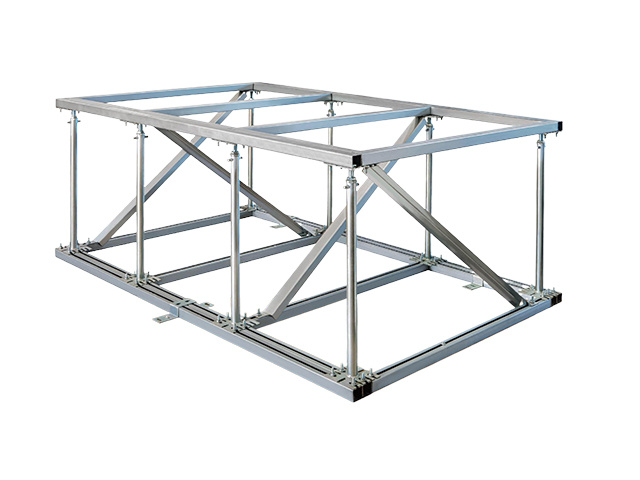
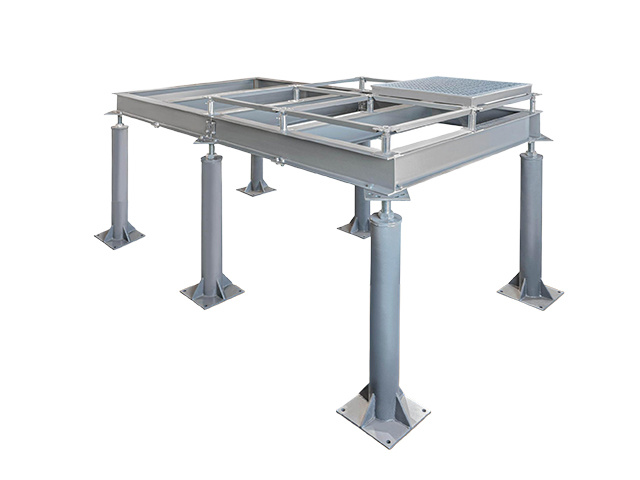
Before diving into the design possibilities and benefits, it's important to understand what elevated floor tiles are. Elevated floor tiles, often referred to as raised access flooring systems, are tiles that are installed above a subfloor, creating a space in between. This design allows for the efficient routing of electrical, plumbing, and HVAC systems, while also providing a smooth, modern finish to interiors.
Key Features of Elevated Floor Tiles
- Versatility - Elevated floor tiles come in various materials, including ceramic, porcelain, and natural stone, accommodating different aesthetic preferences.
- Durability - Designed to withstand heavy foot traffic, these tiles are perfect for both residential and commercial spaces.
- Easy Maintenance - The surfaces are typically easy to clean, making them a practical choice for busy households.
- Improved Airflow - The elevated design allows for better air circulation, promoting a healthier indoor environment.
Benefits of Using Elevated Floor Tiles
Choosing elevated floor tiles for your modern space comes with numerous advantages. Here, we explore the key benefits that make these tiles a popular choice among homeowners and interior designers.
1. Enhanced Aesthetic Appeal
Elevated floor tiles can instantly elevate the style quotient of any room. With a sleek and contemporary design, these tiles create a seamless flow throughout your space, making it feel larger and more open. Whether you’re aiming for a minimalist look or a bold, colorful design, elevated floor tiles can meet your vision effortlessly.
2. Increased Functionality
The space created between the elevated tiles allows for various utilities to be hidden away, including electrical wiring and plumbing. This not only keeps your space looking clean and organized but also provides easy access for maintenance and upgrades. This functionality is especially beneficial in commercial environments where multiple systems need to be integrated efficiently.
3. Improved Comfort
One of the significant benefits of installing elevated floor tiles is the comfort they provide. The space beneath the tiles serves as insulation, keeping your floors warmer in the winter and cooler in the summer. This can lead to reduced energy costs and a more comfortable living environment.
4. Enhanced Soundproofing
Elevated floor tiles can also contribute to better soundproofing within your space. The air gap between the subfloor and the tiles helps to absorb sound, reducing noise levels and enhancing the overall ambiance of your home or office.
Design Ideas for Elevated Floor Tiles
The versatility of elevated floor tiles opens up a world of design possibilities. Here are some innovative ideas to inspire your next renovation project:
1. Create a Focal Point with Color
Utilizing brightly colored elevated floor tiles can create an eye-catching focal point in any room. Consider using bold colors in entryways or dining areas to draw attention and add personality to your space.
2. Incorporate Textures
Mixing different textures can create a visually stimulating environment. Pair smooth elevated tiles with textured ones, like wood or stone finishes, to add depth and interest to your floors.
3. Use Patterns for Dynamic Spaces
Elevated floor tiles can be arranged in various patterns to create unique designs. Geometric patterns or herringbone styles can add a modern twist to traditional settings, providing a fresh look that is both stylish and functional.
4. Balance with Neutral Colors
If you prefer a more subdued look, opt for neutral-colored elevated floor tiles. This allows you to balance bold furniture pieces and decor elements without overwhelming the space.
Installation Process for Elevated Floor Tiles
Installing elevated floor tiles involves a few essential steps to ensure a successful outcome. Here's a guide to help you through the process:
1. Prepare the Subfloor
Before installation, ensure that the subfloor is clean, dry, and level. Any imperfections in the subfloor can lead to uneven tiles, affecting both appearance and durability.
2. Lay Out the Tiles
Start by laying out the elevated tiles in the desired pattern without adhesive. This allows you to visualize the final product and make any necessary adjustments before securing them in place.
3. Secure the Tiles
Once satisfied with the layout, begin securing the tiles. Use the appropriate adhesive and follow the manufacturer's recommendations to ensure a strong bond.
4. Grouting and Finishing Touches
After the tiles are secured, fill in the gaps with grout. This not only enhances the aesthetics but also seals the tiles, preventing dirt and moisture from penetrating.
Maintenance Tips for Elevated Floor Tiles
To keep your elevated floor tiles looking pristine, regular maintenance is essential. Here are some tips to ensure longevity and beauty:
1. Regular Cleaning
Implement a routine cleaning schedule using a soft mop and mild cleaning solution. Avoid harsh chemicals that can damage the tile surface.
2. Address Stains Promptly
Should spills occur, clean them immediately to prevent stains. Use a soft cloth to blot rather than rub, which can spread the stain further.
3. Use Furniture Protectors
To prevent scratches and dents, place protective pads under furniture legs. This simple step can significantly extend the life of your elevated floor tiles.
Frequently Asked Questions (FAQs)
1. What are the primary materials used for elevated floor tiles?
Elevated floor tiles are commonly made from materials such as ceramic, porcelain, vinyl, and natural stone, each offering unique benefits and aesthetics.
2. Are elevated floor tiles suitable for outdoor use?
While some elevated floor tile designs can be used outdoors, it's essential to choose materials resistant to moisture and temperature fluctuations.
3. How do I know if my subfloor is suitable for elevated tiles?
The subfloor must be clean, dry, and level. Conduct a moisture test and ensure there are no significant imperfections before installation.
4. Can elevated floor tiles be installed over existing flooring?
Yes, elevated floor tiles can be installed over existing flooring as long as it is stable, clean, and not excessively damaged.
5. How do I choose the right elevated floor tiles for my space?
Consider the overall design theme, color palette, and practicality of the tiles. Visit a showroom to see samples and consult with professionals for advice.
Conclusion
Elevated floor tiles present a unique opportunity to create stunning, modern spaces that blend functionality with aesthetic appeal. Whether for residential or commercial use, these tiles allow for versatility in design, providing options that cater to various tastes and needs. By understanding the benefits, exploring innovative design ideas, and following proper installation and maintenance guidelines, you can transform your interiors into contemporary masterpieces. Embrace the elegance and practicality of elevated floor tiles and elevate your space today!

Contact us
Email address
Company address
Hengshanqiao Town, Wujin District, Changzhou City, Jiangsu Province