
Understanding Data Center Raised Floors: A Comprehensive Guide for Professionals
Data centers are pivotal to the digital age, serving as the backbone for countless applications and services. A crucial aspect of their design is the raised floor system, which plays a significant role in facilitating efficient operation and maintenance. This article delves into the concept of data center raised floors, providing practical knowledge for industry professionals.
A data center raised
2026年06月09日
Data centers are pivotal to the digital age, serving as the backbone for countless applications and services. A crucial aspect of their design is the raised floor system, which plays a significant role in facilitating efficient operation and maintenance. This article delves into the concept of data center raised floors, providing practical knowledge for industry professionals.
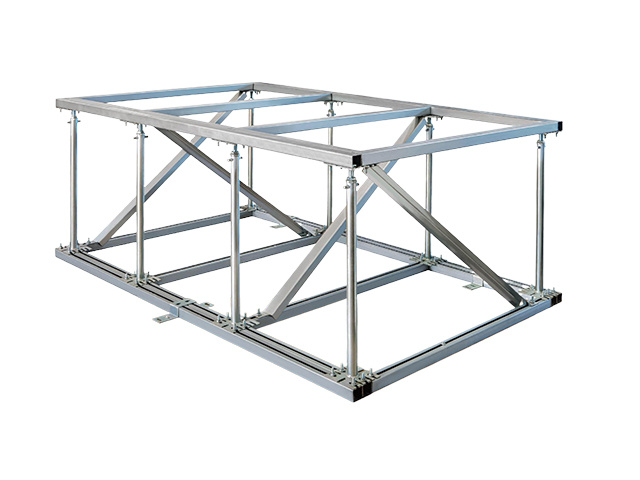
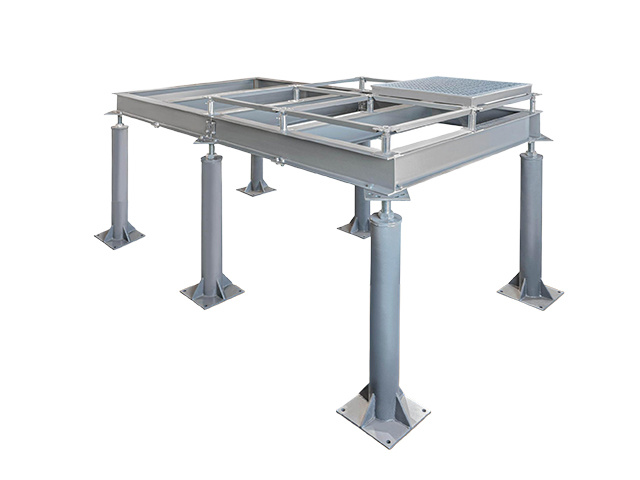
A data center raised floor is essentially an elevated platform constructed above the building's concrete slab. This design creates a space between the floor and the underlying concrete, allowing for the routing of electrical and cooling systems, as well as cable management. This void is critical for maintaining optimal airflow and temperature control, which are vital for the performance and longevity of data center equipment.
One of the primary benefits of a raised floor system is the flexibility it offers. As technology evolves, so do the needs of data centers. Raised floors allow for easy reconfiguration of equipment layouts, enabling the seamless addition or removal of servers and networking devices. This flexibility not only supports technological advancements but also enhances the data center's capacity to adapt to changing demands.
Additionally, the air distribution capabilities of raised floors significantly improve cooling efficiency. By utilizing the space beneath the flooring, air can be directed precisely where it's needed, minimizing hotspots and ensuring that all equipment operates within safe temperature ranges. This targeted cooling approach can lead to considerable energy savings and operational efficiency.
Maintenance is another critical aspect to consider with raised flooring systems. Regular inspections and cleaning of the space beneath the floor are essential to prevent dust accumulation, which can impede airflow and damage sensitive equipment. Establishing a routine maintenance schedule ensures that the raised floor continues to function as intended, safeguarding the data center's operational integrity.
When designing a data center raised floor, it is essential to choose appropriate materials and construction methods. The flooring panels should be sturdy enough to support the weight of the equipment while also being lightweight enough to facilitate easy handling. Various types of raised floor panels exist, including those made from steel, aluminum, and composite materials, each offering unique benefits depending on the specific requirements of the data center.
In conclusion, understanding the intricacies of data center raised floors is vital for professionals in the construction and flooring sectors. These systems not only enhance operational efficiency and adaptability but also play a crucial role in effective cooling and maintenance. By leveraging the benefits of raised flooring, data center operators can ensure their facilities remain competitive in an ever-evolving technological landscape.
A data center raised floor is essentially an elevated platform constructed above the building's concrete slab. This design creates a space between the floor and the underlying concrete, allowing for the routing of electrical and cooling systems, as well as cable management. This void is critical for maintaining optimal airflow and temperature control, which are vital for the performance and longevity of data center equipment.
One of the primary benefits of a raised floor system is the flexibility it offers. As technology evolves, so do the needs of data centers. Raised floors allow for easy reconfiguration of equipment layouts, enabling the seamless addition or removal of servers and networking devices. This flexibility not only supports technological advancements but also enhances the data center's capacity to adapt to changing demands.
Additionally, the air distribution capabilities of raised floors significantly improve cooling efficiency. By utilizing the space beneath the flooring, air can be directed precisely where it's needed, minimizing hotspots and ensuring that all equipment operates within safe temperature ranges. This targeted cooling approach can lead to considerable energy savings and operational efficiency.
Maintenance is another critical aspect to consider with raised flooring systems. Regular inspections and cleaning of the space beneath the floor are essential to prevent dust accumulation, which can impede airflow and damage sensitive equipment. Establishing a routine maintenance schedule ensures that the raised floor continues to function as intended, safeguarding the data center's operational integrity.
When designing a data center raised floor, it is essential to choose appropriate materials and construction methods. The flooring panels should be sturdy enough to support the weight of the equipment while also being lightweight enough to facilitate easy handling. Various types of raised floor panels exist, including those made from steel, aluminum, and composite materials, each offering unique benefits depending on the specific requirements of the data center.
In conclusion, understanding the intricacies of data center raised floors is vital for professionals in the construction and flooring sectors. These systems not only enhance operational efficiency and adaptability but also play a crucial role in effective cooling and maintenance. By leveraging the benefits of raised flooring, data center operators can ensure their facilities remain competitive in an ever-evolving technological landscape.

Contact us
Email address
Company address
Hengshanqiao Town, Wujin District, Changzhou City, Jiangsu Province