
Understanding Elevated Floor Systems: Benefits and Applications in Modern Construction
Elevated floor systems, also known as raised flooring or access floors, are an increasingly popular choice in modern construction due to their versatility and functionality. This flooring solution involves a series of panels that are raised above the building's subfloor, creating a space for mechanical and electrical services. This article delves into the advantages of elevated floor systems, thei
2026年05月10日
Elevated floor systems, also known as raised flooring or access floors, are an increasingly popular choice in modern construction due to their versatility and functionality. This flooring solution involves a series of panels that are raised above the building's subfloor, creating a space for mechanical and electrical services. This article delves into the advantages of elevated floor systems, their applications, and considerations for their implementation in various environments.
One of the primary benefits of elevated floor systems is their adaptability to changing technological needs. In environments that require frequent reconfiguration, such as office spaces or data centers, these systems allow for easy access to cabling, plumbing, and HVAC components. The modular nature of raised flooring enables facilities to adjust layouts quickly without extensive renovations, making them a cost-effective solution in the long term.
Another significant advantage is improved airflow and temperature regulation. Elevated floors facilitate better air distribution, which can enhance comfort and energy efficiency in commercial spaces. In data centers, specifically, this feature is vital for maintaining optimal operating conditions for sensitive equipment. By allowing cool air to flow from below, elevated floor systems help prevent overheating, thereby prolonging the lifespan of technology.
Additionally, using elevated floors can lead to improved aesthetics. Many modern designs incorporate these systems into the overall architectural vision, allowing for sleek, unobtrusive cable management and utility access. This not only maintains a clean visual appeal but also aligns with the contemporary emphasis on flexibility and functionality in design.
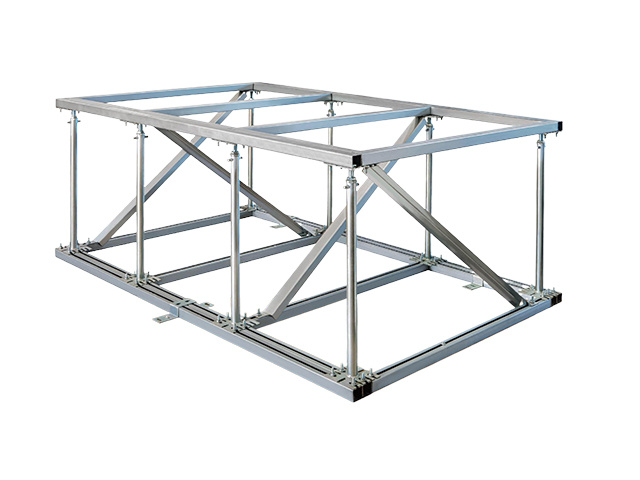
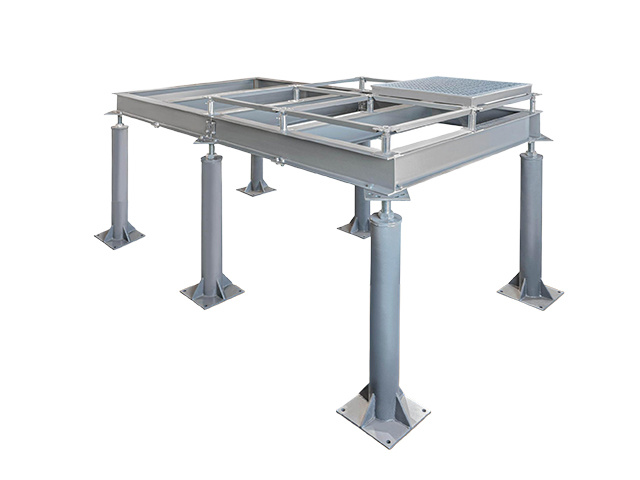
When considering the implementation of elevated floor systems, it’s crucial to evaluate materials and structural integrity. Common materials include steel, aluminum, and high-density particle board, each offering varying degrees of strength, durability, and weight capacity. Understanding the specific requirements of the building environment is essential to select the appropriate solution.
Furthermore, proper installation and maintenance of elevated floor systems are vital for ensuring their long-term performance. Engaging with qualified professionals during installation can prevent common issues, such as panel misalignment or inadequate support, which can compromise the system's functionality.
In conclusion, elevated floor systems present a myriad of benefits that cater to the evolving needs of modern construction. Their flexibility, efficiency, and aesthetic appeal make them a valuable choice for various applications, from corporate offices to high-tech facilities. As the industry continues to develop, understanding these systems will be essential for professionals looking to enhance their projects and meet client expectations effectively.
One of the primary benefits of elevated floor systems is their adaptability to changing technological needs. In environments that require frequent reconfiguration, such as office spaces or data centers, these systems allow for easy access to cabling, plumbing, and HVAC components. The modular nature of raised flooring enables facilities to adjust layouts quickly without extensive renovations, making them a cost-effective solution in the long term.
Another significant advantage is improved airflow and temperature regulation. Elevated floors facilitate better air distribution, which can enhance comfort and energy efficiency in commercial spaces. In data centers, specifically, this feature is vital for maintaining optimal operating conditions for sensitive equipment. By allowing cool air to flow from below, elevated floor systems help prevent overheating, thereby prolonging the lifespan of technology.
Additionally, using elevated floors can lead to improved aesthetics. Many modern designs incorporate these systems into the overall architectural vision, allowing for sleek, unobtrusive cable management and utility access. This not only maintains a clean visual appeal but also aligns with the contemporary emphasis on flexibility and functionality in design.
When considering the implementation of elevated floor systems, it’s crucial to evaluate materials and structural integrity. Common materials include steel, aluminum, and high-density particle board, each offering varying degrees of strength, durability, and weight capacity. Understanding the specific requirements of the building environment is essential to select the appropriate solution.
Furthermore, proper installation and maintenance of elevated floor systems are vital for ensuring their long-term performance. Engaging with qualified professionals during installation can prevent common issues, such as panel misalignment or inadequate support, which can compromise the system's functionality.
In conclusion, elevated floor systems present a myriad of benefits that cater to the evolving needs of modern construction. Their flexibility, efficiency, and aesthetic appeal make them a valuable choice for various applications, from corporate offices to high-tech facilities. As the industry continues to develop, understanding these systems will be essential for professionals looking to enhance their projects and meet client expectations effectively.

Contact us
Email address
Company address
Hengshanqiao Town, Wujin District, Changzhou City, Jiangsu Province