
Maximizing Space Efficiency with Access Floor Panels: A Comprehensive Guide
2026年05月15日
Maximizing Space Efficiency with Access Floor Panels
In today's fast-paced and dynamic world, optimizing space has become a crucial factor in architectural design and office functionality. **Access floor panels** have emerged as a solution that not only enhances the aesthetic appeal of a space but also increases its utility. In this article, we will delve deep into how access floor panels can help you maximize space efficiency, the different types available, their benefits, and practical installation tips.
Table of Contents
- Introduction to Access Floor Panels
- Benefits of Access Floor Panels for Space Efficiency
- Types of Access Floor Panels
- The Installation Process for Access Floor Panels
- Maintenance Tips for Access Floor Panels
- Case Studies: Successful Implementations of Access Floor Panels
- Cost-Effectiveness of Access Floor Panels
- Conclusion: Transform Your Space with Access Floor Panels
- Frequently Asked Questions
Introduction to Access Floor Panels
Access floor panels are raised flooring systems that allow for easy access to electrical wiring, plumbing, and HVAC systems. These panels create a void between the floor and the subfloor, enabling the efficient routing of services and storage of various utilities. The unique design of access floor panels not only enhances the functionality of office spaces but also allows for flexible reconfiguration as the needs of the workspace evolve.
Why Choose Access Floor Panels?
The increasing demand for flexible office environments has propelled access floor panels into prominence. They cater to modern requirements by providing a space-efficient solution, ensuring that your office remains adaptable to changing technological needs. Their modular nature is a key reason they are becoming a preferred choice for contemporary businesses.
Benefits of Access Floor Panels for Space Efficiency
Access floor panels provide numerous benefits, particularly in maximizing spatial efficiency in commercial and industrial environments.
1. Enhanced Space Utilization
One of the primary advantages of access floor panels is their ability to enhance space utilization. By creating a cavity for wires and utilities, businesses can free up valuable floor space that would otherwise be occupied by bulky conduits and cables. This design flexibility ensures that your workspace remains uncluttered and organized.
2. Flexibility in Office Layout
**Flexibility is key in modern office design**. With access floor panels, reconfiguring office layouts becomes effortless. As business needs change, the layout can adapt without the need for extensive construction work. This adaptability is invaluable for businesses that frequently expand or shift their focus.
3. Improved Airflow and Temperature Control
Access floor panels can also optimize airflow in a workspace. The space beneath the raised floor allows for better distribution of air conditioning and heating systems. This can lead to more consistent temperature control throughout the office, enhancing employee comfort and productivity.
4. Aesthetic Appeal
In addition to functional benefits, access floor panels can enhance the overall aesthetic of a workspace. Available in various finishes and styles, they can seamlessly integrate with the interior design of any office, creating a professional and polished appearance.
Types of Access Floor Panels
Understanding the different types of access floor panels is essential for selecting the right system for your needs.
1. Steel Encapsulated Panels
Steel encapsulated panels are among the most durable options available. These panels are filled with polystyrene or honeycomb material, providing excellent strength and support. They are ideal for areas with heavy foot traffic and can withstand considerable weight.
2. Wood-Core Panels
Wood-core panels are lightweight and often used in office environments. They provide a warm aesthetic but may not be suitable for areas requiring heavy load-bearing capabilities. These panels are perfect for spaces that prioritize design and comfort.
3. Composite Panels
Composite panels combine the best features of both steel and wood-core panels. They are designed for flexibility and durability, making them suitable for a variety of applications. Their versatility makes them a popular choice among architects and interior designers.
The Installation Process for Access Floor Panels
Installing access floor panels requires careful planning and execution. Here’s a step-by-step guide to ensure a successful installation.
1. Planning and Layout Design
Before installation begins, it is essential to plan the layout. Determine the locations of electrical outlets, data ports, and air vents. This careful planning will ensure that the access floor panels accommodate all necessary utilities.
2. Preparing the Subfloor
The subfloor must be clean and level before installation. Any debris or irregularities should be addressed to provide a stable base for the access floor panels.
3. Installing the Pedestals
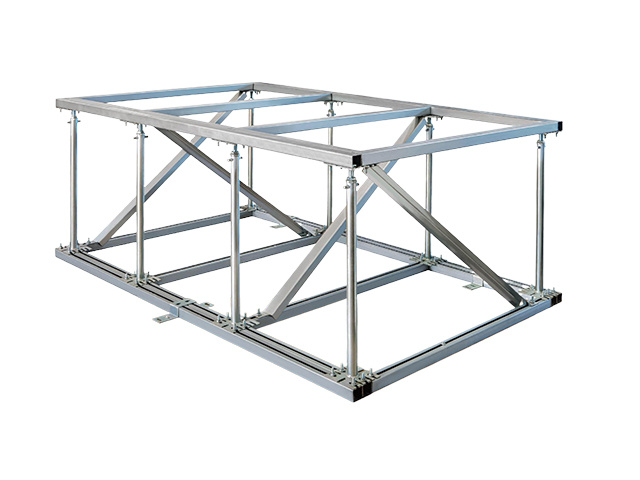
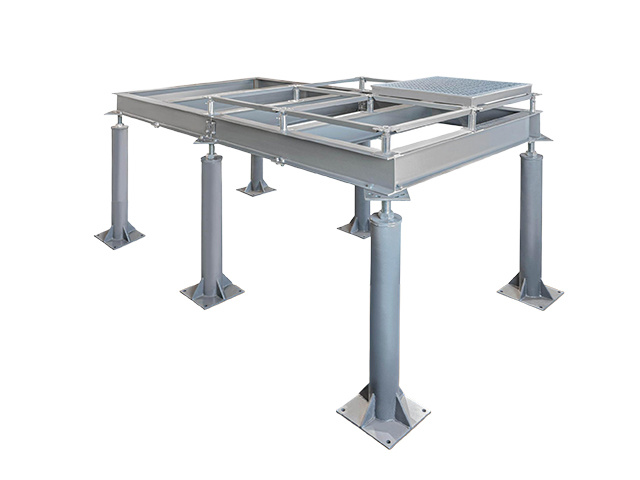
Pedestals are crucial for raising the floor panels. They should be strategically placed according to the layout design. Make sure they are securely anchored to the subfloor to provide reliable support for the panels.
4. Laying the Panels
Once the pedestals are in place, begin laying the access floor panels. Start from one corner and work your way across the room, ensuring that each panel fits snugly into place. Use a rubber mallet to gently tap panels into position if necessary.
5. Finishing Touches
After the panels are installed, check for any gaps or uneven surfaces. Make adjustments as needed, and consider installing skirting or trim to provide a polished finish.
Maintenance Tips for Access Floor Panels
Regular maintenance is essential for ensuring the longevity and performance of access floor panels.
1. Routine Inspections
Conduct routine inspections to check for any signs of wear, damage, or misalignment. Addressing issues early can prevent more significant problems down the line.
2. Cleaning
Keep the panels clean by using appropriate cleaning solutions and tools. Avoid harsh chemicals that could damage the surface finish. Regular cleaning helps maintain both the appearance and functionality of the panels.
3. Addressing Access Needs
As technology evolves, the need for access to utilities may change. Revisit the layout periodically to ensure that the access floor panels continue to meet your workspace's demands.
Case Studies: Successful Implementations of Access Floor Panels
Numerous organizations have successfully adopted access floor panels, showcasing their versatility and effectiveness.
1. Corporate Office Redesign
A leading tech firm recently redesigned its corporate offices using access floor panels. The flexible layout allowed for easy relocation of workstations, ultimately enhancing collaboration and productivity among employees.
2. Educational Facilities
A university implemented access floor panels in its new lecture halls, enabling efficient management of multimedia equipment and power supplies. This installation improved the overall educational experience for students and faculty alike.
Cost-Effectiveness of Access Floor Panels
While the initial investment in access floor panels may seem substantial, their long-term cost-effectiveness is undeniable.
1. Reduced Maintenance Costs
Access floor panels can lead to reduced maintenance costs in the long run. The ability to easily access utilities means less downtime for repairs and updates.
2. Adaptability to Change
Since access floor panels allow for easy reconfiguration of office layouts, businesses can adapt to changes without incurring significant renovation costs. This adaptability can save organizations money over time.
Conclusion: Transform Your Space with Access Floor Panels
Access floor panels are an innovative solution for maximizing space efficiency, enhancing aesthetics, and accommodating technological changes in modern work environments. Their numerous benefits, along with the variety of options available, make them an ideal choice for businesses looking to optimize their office spaces. **By investing in access floor panels, you can transform your workspace into a more functional, adaptable, and visually appealing environment.**
Frequently Asked Questions
1. What are access floor panels made of?
Access floor panels can be made from various materials, including steel, wood, and composite materials, depending on the required durability and aesthetic.
2. How much weight can access floor panels support?
The weight capacity of access floor panels varies based on the panel type and design. Steel encapsulated panels typically offer the highest load-bearing capabilities.
3. Can access floor panels be used in residential spaces?
Yes, access floor panels can be utilized in residential spaces, particularly in home offices or media rooms, where flexibility in layout and technological access is desired.
4. Are access floor panels easy to install?
While installation requires careful planning and execution, DIY enthusiasts can install access floor panels with the right tools and knowledge. However, hiring professionals can ensure a more precise installation.
5. How often should access floor panels be maintained?
Regular inspections should be conducted on a quarterly basis, with cleaning occurring as needed to maintain the appearance and functionality of the panels.

Contact us
Email address
Company address
Hengshanqiao Town, Wujin District, Changzhou City, Jiangsu Province