
Understanding Elevated Floor Systems: A Comprehensive Guide for the Construction Industry
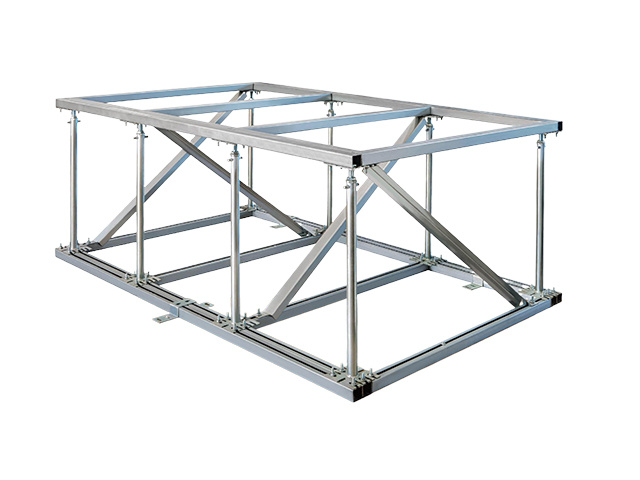
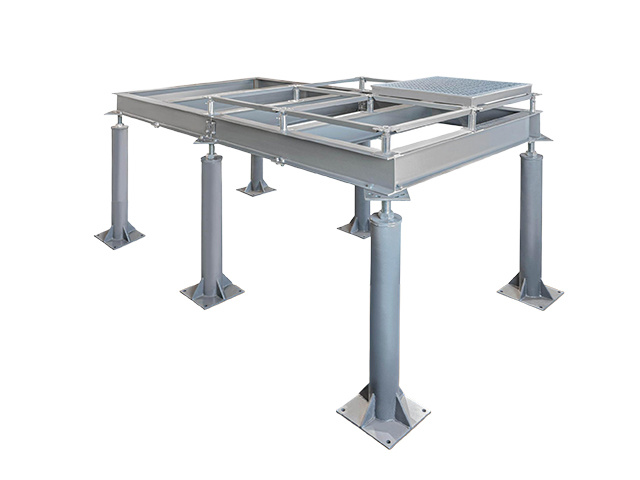
Elevated floor systems, also known as raised access floors, are increasingly popular in the construction and interior design sectors. These systems consist of panels elevated above a building's structural floor, creating a space for mechanical, electrical, and plumbing (MEP) installations. This design not only aids in efficient space utilization but also enhances aesthetic appeal and functionality
2026年02月19日
Elevated floor systems, also known as raised access floors, are increasingly popular in the construction and interior design sectors. These systems consist of panels elevated above a building's structural floor, creating a space for mechanical, electrical, and plumbing (MEP) installations. This design not only aids in efficient space utilization but also enhances aesthetic appeal and functionality.
One of the primary advantages of elevated floor systems is their adaptability. They allow for easy access to wiring and HVAC systems without the need for disruptive renovations. This flexibility is particularly beneficial in commercial spaces such as offices, data centers, and laboratories, where frequent changes in layout or equipment are common. By using elevated floors, contractors can accommodate evolving technologies and changing organizational needs with minimal disruption.
Another significant benefit is the improved airflow and ventilation that elevated floor systems provide. The space beneath the panels can facilitate better air circulation, helping to maintain optimal temperature and humidity levels in the workspace. This is especially important in environments that house sensitive electronic equipment, where overheating can lead to system failures and costly downtime.
When considering an elevated floor system, it is crucial to evaluate the materials and construction methods being used. Common materials include steel, aluminum, and various types of composite materials, each offering different advantages in terms of durability, weight, and aesthetics. The choice of finish for the floor panels—such as vinyl, carpet, or laminate—can also enhance the visual appeal of the space while providing the required functionality.
Safety is another key consideration when implementing elevated floor systems. Ensuring that the panels are securely installed and capable of supporting the intended loads is essential. Compliance with local building codes and regulations is critical to ensure that the structure is safe for occupants.
In summary, elevated floor systems present a flexible and efficient solution for modern construction and design needs. They offer significant advantages in terms of accessibility, airflow, and aesthetic versatility. As the demands of various industries evolve, these systems can play a pivotal role in creating adaptable and functional spaces. For professionals in the construction and decoration fields, understanding the intricacies of elevated floor systems is essential for delivering high-quality, innovative projects that meet the needs of clients.
One of the primary advantages of elevated floor systems is their adaptability. They allow for easy access to wiring and HVAC systems without the need for disruptive renovations. This flexibility is particularly beneficial in commercial spaces such as offices, data centers, and laboratories, where frequent changes in layout or equipment are common. By using elevated floors, contractors can accommodate evolving technologies and changing organizational needs with minimal disruption.
Another significant benefit is the improved airflow and ventilation that elevated floor systems provide. The space beneath the panels can facilitate better air circulation, helping to maintain optimal temperature and humidity levels in the workspace. This is especially important in environments that house sensitive electronic equipment, where overheating can lead to system failures and costly downtime.
When considering an elevated floor system, it is crucial to evaluate the materials and construction methods being used. Common materials include steel, aluminum, and various types of composite materials, each offering different advantages in terms of durability, weight, and aesthetics. The choice of finish for the floor panels—such as vinyl, carpet, or laminate—can also enhance the visual appeal of the space while providing the required functionality.
Safety is another key consideration when implementing elevated floor systems. Ensuring that the panels are securely installed and capable of supporting the intended loads is essential. Compliance with local building codes and regulations is critical to ensure that the structure is safe for occupants.
In summary, elevated floor systems present a flexible and efficient solution for modern construction and design needs. They offer significant advantages in terms of accessibility, airflow, and aesthetic versatility. As the demands of various industries evolve, these systems can play a pivotal role in creating adaptable and functional spaces. For professionals in the construction and decoration fields, understanding the intricacies of elevated floor systems is essential for delivering high-quality, innovative projects that meet the needs of clients.

Contact us
Email address
Company address
Hengshanqiao Town, Wujin District, Changzhou City, Jiangsu Province