
Why Raised Access Floors are Essential for Data Centers and IT Spaces
Why Raised Access Floors are Essential for Data Centers and IT Spaces
Table of Contents
Introduction to Raised Access Floors
Key Benefits of Raised Access Floors in Data Centers
Design Considerations for Raised Access Floors
Installation Process of Raised Access Floors
Maintenance of Raised Access Floors
Case Studies: Successful Implementation of Raised Access Floors
F
2026年02月16日
Why Raised Access Floors are Essential for Data Centers and IT Spaces
Table of Contents
- Introduction to Raised Access Floors
- Key Benefits of Raised Access Floors in Data Centers
- Design Considerations for Raised Access Floors
- Installation Process of Raised Access Floors
- Maintenance of Raised Access Floors
- Case Studies: Successful Implementation of Raised Access Floors
- Future Trends in Raised Access Flooring
- Frequently Asked Questions
- Conclusion
Introduction to Raised Access Floors
In the fast-paced world of technology, data centers and IT spaces are the backbone of modern businesses. As the demand for efficient data management and seamless connectivity grows, the infrastructure supporting these operations must adapt accordingly. One of the most effective solutions to optimize space and enhance performance is the implementation of **raised access floors**.
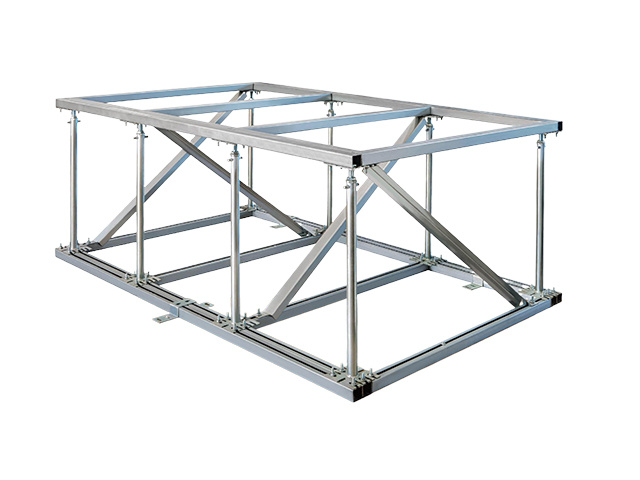
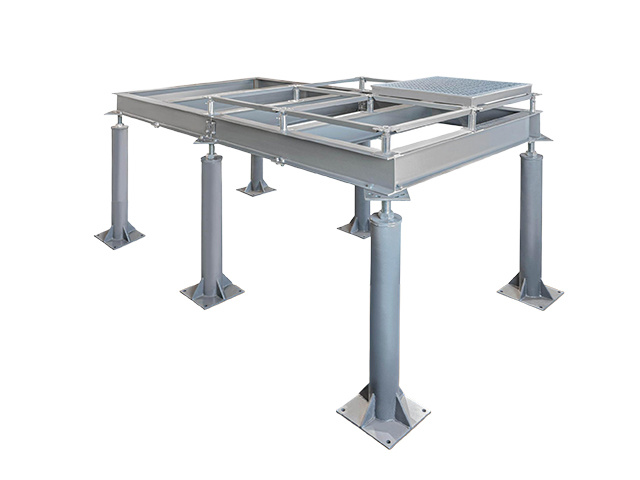
Raised access floors consist of elevated floor panels supported by a grid of pedestals that create a space for electrical wiring, cabling, and HVAC systems. This innovative design not only facilitates easy access to essential utilities but also promotes better airflow and cooling, crucial factors in maintaining the integrity of sensitive equipment.
Key Benefits of Raised Access Floors in Data Centers
When it comes to data centers and IT environments, raised access floors offer several distinct advantages:
Improved Airflow and Cooling Efficiency
One of the primary challenges in data centers is managing heat generated by servers and equipment. Raised access floors allow for an efficient airflow system, enabling cool air to be delivered directly to the base of the equipment. This targeted cooling decreases energy consumption and enhances the overall efficiency of the facility.
Flexible Space Management
As technology evolves, so too do the needs of data centers. Raised access floors provide unparalleled flexibility in arranging equipment and modifying layouts. This adaptability is vital for accommodating new technology without extensive renovations.
Enhanced Cable Management
With numerous cables and wires running throughout a data center, organization is key. Raised access flooring allows for effective cable management, minimizing clutter and reducing the risk of tripping hazards. This organized approach not only improves aesthetics but also simplifies maintenance.
Reduced Noise Levels
The sound generated by servers and equipment can be disruptive, particularly in open spaces. Raised access floors help dampen noise levels by providing a buffer between the equipment and the workspace. This contributes to a more conducive working environment for IT professionals.
Improved Safety and Accessibility
Accessibility to electrical and mechanical systems is vital for maintenance and emergency repairs. Raised access floors facilitate easy access, allowing technicians to reach cabling and HVAC units quickly. Furthermore, the elevated design minimizes the risk of water damage from flooding, as the equipment is raised above potential water ingress points.
Design Considerations for Raised Access Floors
When integrating raised access floors into a data center, several design considerations must be addressed:
Material Selection
Choosing the appropriate materials for raised access floors is critical. Flooring panels can be made from different materials, including steel, aluminum, and resin. Each material offers unique benefits in terms of durability, weight capacity, and aesthetics.
Load-Bearing Capacity
Data centers often house heavy equipment, making load-bearing capacity a crucial consideration. Selecting a raised access floor system that can support the weight of servers, racks, and other equipment ensures long-term reliability and safety.
Height and Clearances
Determining the optimal height for raised access floors involves balancing airflow requirements and equipment accessibility. Adequate clearance is necessary to accommodate airflow while also ensuring that maintenance personnel can access equipment easily.
Seismic and Fire Safety Compliance
Data centers must adhere to strict safety regulations, including seismic and fire safety standards. Designing raised access floors with these requirements in mind is essential for creating a safe working environment.
Installation Process of Raised Access Floors
The installation of raised access floors requires careful planning and execution. Here’s a step-by-step breakdown of the installation process:
Site Evaluation
Before installation, a thorough evaluation of the site is conducted. This includes assessing the existing infrastructure, determining the required height and load capacity, and identifying any potential issues that may affect installation.
Preparation and Layout Design
Once the site has been evaluated, a layout design is developed. This plan outlines the placement of pedestals, panels, and any additional features such as air vents or access points.
Installation of Pedestals
The next step involves installing pedestals according to the layout design. Each pedestal must be precisely aligned to ensure a level and stable floor.
Placement of Floor Panels
After pedestals are secured, floor panels are placed onto the pedestals. This process requires careful handling to avoid damage to the panels and to maintain the integrity of the installation.
Final Adjustments and Testing
Once all panels are installed, final adjustments are made to ensure evenness and stability. Testing airflow and accessibility is conducted to confirm that the raised access floor meets the desired specifications.
Maintenance of Raised Access Floors
To ensure longevity and optimal performance, regular maintenance of raised access floors is essential:
Routine Inspections
Conducting routine inspections allows for the early identification of any issues, such as loose panels or damaged pedestals. Addressing these problems promptly can prevent larger issues down the line.
Cleaning and Debris Removal
Maintaining cleanliness is vital for both aesthetics and functionality. Regularly removing dust and debris from the plenum space helps maintain airflow efficiency and prevents overheating of equipment.
Accessing Utilities
Regular access to utilities beneath the raised flooring is necessary for maintenance and upgrades. Establishing a schedule for accessing and inspecting these systems ensures that they remain in optimal condition.
Case Studies: Successful Implementation of Raised Access Floors
Examining real-world applications of raised access flooring highlights its effectiveness in enhancing data center operations:
Case Study 1: Tech Giant’s Data Center Expansion
A leading technology company faced challenges with its existing data center that was struggling to accommodate increasing equipment loads. By implementing a raised access flooring system, they improved airflow efficiency, streamlined cable management, and achieved a flexible layout that allowed for future growth.
Case Study 2: Financial Institution’s IT Space Transformation
A financial institution upgraded its IT infrastructure to enhance performance and reliability. The integration of raised access floors resulted in reduced noise levels, improved cooling efficiency, and a more organized workspace, ultimately leading to increased productivity for IT staff.
Future Trends in Raised Access Flooring
As technology continues to evolve, so too will the design and functionality of raised access floors:
Incorporation of Smart Technology
Future raised access flooring solutions may integrate smart technology, allowing for real-time monitoring of environmental conditions and equipment performance. This innovation will enhance the management of data centers and improve energy efficiency.
Sustainable Materials and Practices
With a growing emphasis on sustainability, the future of raised access flooring may involve the use of eco-friendly materials and practices. This shift would not only benefit the environment but also align with corporate responsibility values.
Modular Flooring Systems
The trend towards modular flooring systems is likely to gain traction. These systems offer adaptability and ease of installation, allowing data centers to respond to changing technological demands rapidly.
Frequently Asked Questions
1. What is a raised access floor?
A raised access floor is an elevated flooring system that creates a space beneath the floor panels for the management of cabling, HVAC systems, and other utilities.
2. How does a raised access floor improve cooling efficiency?
By facilitating better airflow, raised access floors allow cool air to be directed to the base of equipment, enhancing cooling efficiency and reducing energy consumption.
3. What materials are used for raised access floors?
Raised access floors can be constructed from materials such as steel, aluminum, and resin, each offering unique benefits in terms of durability and weight capacity.
4. How do I maintain a raised access floor?
Regular inspections, cleaning, and scheduled access to utilities beneath the raised floor are essential for maintaining its integrity and performance.
5. Are raised access floors suitable for all types of data centers?
Yes, raised access floors are versatile and can be tailored to meet the specific needs of various data centers, including those with heavy equipment and high airflow demands.
Conclusion
In conclusion, raised access floors are an indispensable component of modern data centers and IT spaces. Their ability to improve airflow, enhance flexibility, and facilitate efficient cable management is vital for any organization aiming to optimize its IT infrastructure. As technology continues to advance, the role of raised access floors will become increasingly significant in ensuring data centers remain agile, efficient, and capable of meeting evolving demands. Investing in a quality raised access flooring system is not just a choice; it’s a strategic decision that can lead to long-term benefits for any organization.

Contact us
Email address
Company address
Hengshanqiao Town, Wujin District, Changzhou City, Jiangsu Province