
Understanding Raised Access Floor Pedestals: A Comprehensive Guide
Raised access floor pedestals have become increasingly popular in contemporary construction and interior design, particularly in commercial and institutional buildings. These innovative systems create a space between the raised floor and the structural slab, allowing for easy access to electrical, mechanical, and data cabling. This article explores the key features, benefits, and applications of r
2026年02月13日
Raised access floor pedestals have become increasingly popular in contemporary construction and interior design, particularly in commercial and institutional buildings. These innovative systems create a space between the raised floor and the structural slab, allowing for easy access to electrical, mechanical, and data cabling. This article explores the key features, benefits, and applications of raised access floor pedestals, making it a valuable resource for architects, contractors, and facility managers.
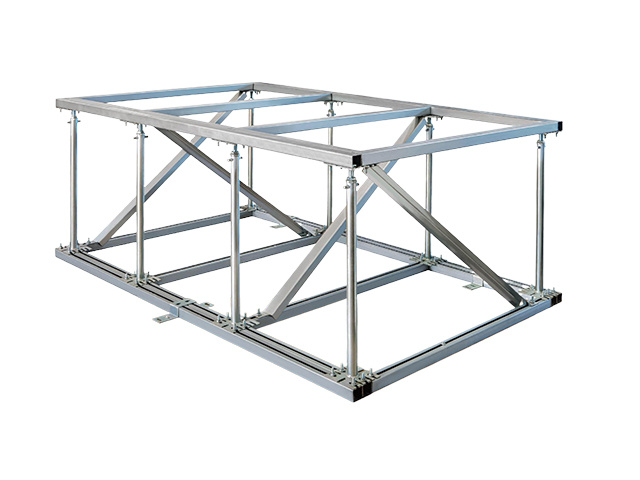
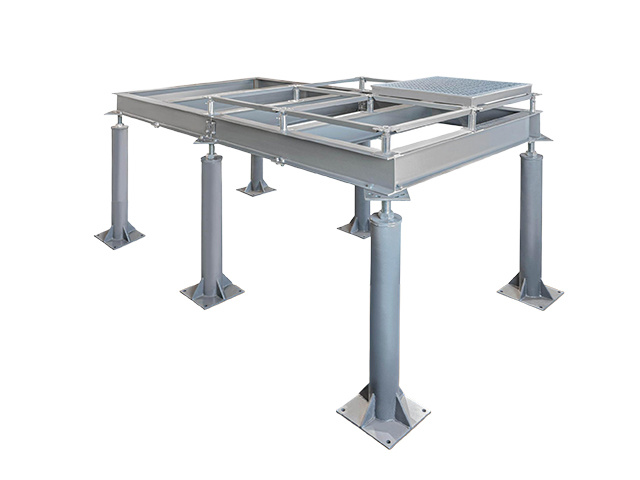
At its core, a raised access floor pedestal is a support system that elevates the flooring above the subfloor. Each pedestal is adjustable, allowing for precise leveling and alignment. This flexibility is essential in creating a uniform surface that can accommodate various flooring materials, including carpet tiles, vinyl, and natural stone. The adjustable height of the pedestals enables easy installation and customization, making them suitable for different building specifications and design preferences.
One of the primary advantages of using raised access floor pedestals is the ease of maintaining and managing building services. With the floor space elevated, it provides a concealed area for hiding cables and ducts, resulting in a clean and clutter-free environment. This design not only enhances aesthetic appeal but also facilitates quick access for maintenance and upgrades, reducing downtime and disruption for occupants.
Moreover, raised access floors contribute to improved indoor air quality. By allowing for better airflow and ventilation, these systems help minimize dust accumulation and promote a healthier workspace. This is particularly beneficial in environments such as data centers, offices, and laboratories, where air quality is paramount.
Another significant benefit of raised access floor pedestals is their contribution to energy efficiency. The space beneath the floor can accommodate air conditioning and heating systems, allowing for more efficient temperature control. This can lead to lower energy bills and a reduced carbon footprint, aligning with the growing emphasis on sustainability in construction.
In addition to their functional advantages, raised access floor systems provide a high degree of design flexibility. Architects and interior designers can create multi-functional spaces that can be adapted to various uses over time. Whether it's for open-plan offices, training rooms, or conference areas, the versatility of raised access floor pedestals makes them an ideal choice for modern building designs.
In conclusion, raised access floor pedestals are an essential component in contemporary architecture and interior design. They offer a plethora of benefits, including easy access for maintenance, improved indoor air quality, enhanced energy efficiency, and design flexibility. As the demand for adaptable and efficient building solutions continues to grow, raised access floor systems will likely play a crucial role in shaping the future of commercial and institutional spaces. Whether you're an architect, contractor, or facility manager, understanding the capabilities of raised access floor pedestals can significantly enhance your project outcomes.
At its core, a raised access floor pedestal is a support system that elevates the flooring above the subfloor. Each pedestal is adjustable, allowing for precise leveling and alignment. This flexibility is essential in creating a uniform surface that can accommodate various flooring materials, including carpet tiles, vinyl, and natural stone. The adjustable height of the pedestals enables easy installation and customization, making them suitable for different building specifications and design preferences.
One of the primary advantages of using raised access floor pedestals is the ease of maintaining and managing building services. With the floor space elevated, it provides a concealed area for hiding cables and ducts, resulting in a clean and clutter-free environment. This design not only enhances aesthetic appeal but also facilitates quick access for maintenance and upgrades, reducing downtime and disruption for occupants.
Moreover, raised access floors contribute to improved indoor air quality. By allowing for better airflow and ventilation, these systems help minimize dust accumulation and promote a healthier workspace. This is particularly beneficial in environments such as data centers, offices, and laboratories, where air quality is paramount.
Another significant benefit of raised access floor pedestals is their contribution to energy efficiency. The space beneath the floor can accommodate air conditioning and heating systems, allowing for more efficient temperature control. This can lead to lower energy bills and a reduced carbon footprint, aligning with the growing emphasis on sustainability in construction.
In addition to their functional advantages, raised access floor systems provide a high degree of design flexibility. Architects and interior designers can create multi-functional spaces that can be adapted to various uses over time. Whether it's for open-plan offices, training rooms, or conference areas, the versatility of raised access floor pedestals makes them an ideal choice for modern building designs.
In conclusion, raised access floor pedestals are an essential component in contemporary architecture and interior design. They offer a plethora of benefits, including easy access for maintenance, improved indoor air quality, enhanced energy efficiency, and design flexibility. As the demand for adaptable and efficient building solutions continues to grow, raised access floor systems will likely play a crucial role in shaping the future of commercial and institutional spaces. Whether you're an architect, contractor, or facility manager, understanding the capabilities of raised access floor pedestals can significantly enhance your project outcomes.

Contact us
Email address
Company address
Hengshanqiao Town, Wujin District, Changzhou City, Jiangsu Province