
Elevated Floor Tiles: A Practical Choice for Any Environment
Elevated Floor Tiles: A Practical Choice for Any Environment
Elevated floor tiles have emerged as a practical flooring solution that caters to a wide range of environments. From commercial spaces to residential homes, the versatility of these tiles makes them an ideal choice for anyone looking to improve their flooring. In this article, we will delve deeply into the various aspects of elevated flo
2026年02月10日
Elevated Floor Tiles: A Practical Choice for Any Environment
Elevated floor tiles have emerged as a practical flooring solution that caters to a wide range of environments. From commercial spaces to residential homes, the versatility of these tiles makes them an ideal choice for anyone looking to improve their flooring. In this article, we will delve deeply into the various aspects of elevated floor tiles, exploring their benefits, types, installation procedures, and maintenance tips to help you make an informed decision.
Table of Contents
- Understanding Elevated Floor Tiles
- Benefits of Elevated Floor Tiles
- Types of Elevated Floor Tiles
- Installation Process for Elevated Floor Tiles
- Maintenance and Care for Elevated Floor Tiles
- Cost Considerations for Elevated Floor Tiles
- Environmental Impact of Elevated Floor Tiles
- Frequently Asked Questions
- Conclusion
Understanding Elevated Floor Tiles
Elevated floor tiles, often referred to as raised access flooring, consist of modular tiles that are elevated above the subfloor, creating a space for mechanical and electrical systems. This design allows for easy access to cabling, pipes, and other utilities, making it particularly popular in commercial environments such as data centers, offices, and industrial facilities.
The ability to easily install and remove these tiles also makes them a favorable option for spaces where layout changes are common. Residential applications are gaining traction as more homeowners appreciate the benefits of elevated flooring.
How Elevated Floor Tiles Work
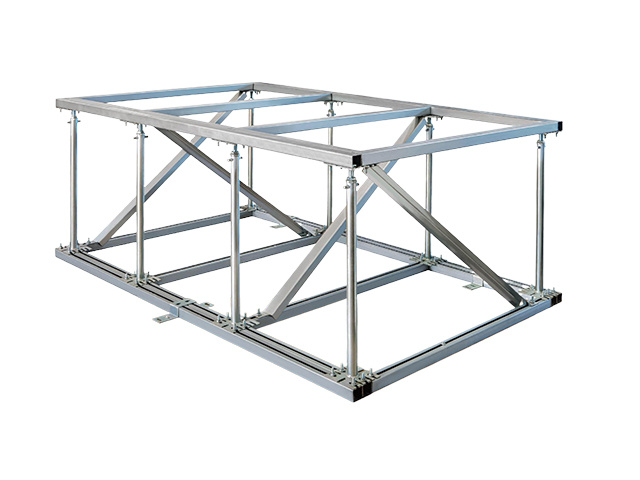
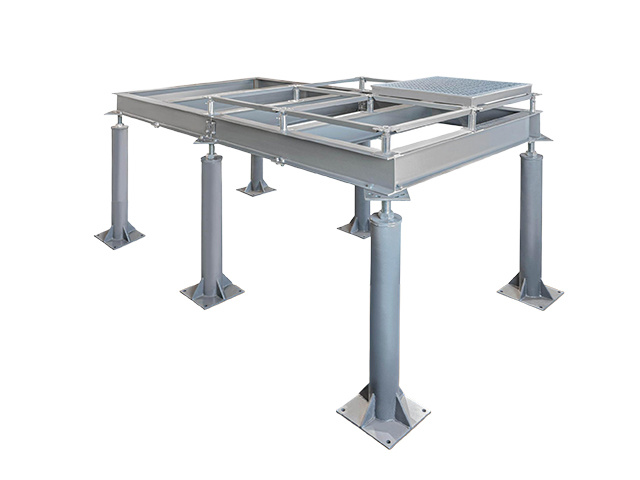
Elevated floor tiles rest on a grid system of pedestals, which elevates them several inches above the building's original floor. This space beneath the tiles can be utilized for various purposes, including the installation of electrical wiring, plumbing, and HVAC systems. The modular nature of the tiles allows for easy customization and reconfiguration, making it possible to adapt the space as needs evolve.
Benefits of Elevated Floor Tiles
Choosing elevated floor tiles offers numerous advantages over traditional flooring options. Here, we outline some of the key benefits that make them a practical choice for any environment.
1. Accessibility to Utilities
One of the most significant benefits of elevated flooring is the ease of access it provides to utilities. If repairs or modifications are necessary, tiles can be removed quickly without disrupting the entire floor, allowing for efficient maintenance.
2. Enhanced Airflow and Thermal Management
Elevated tiles promote better airflow, which can significantly improve a building's heating and cooling efficiency. By allowing air to circulate freely beneath the floor, elevated flooring can help regulate temperature and reduce energy costs.
3. Versatility in Design
Available in a wide variety of materials, colors, and finishes, elevated floor tiles can be customized to fit any aesthetic. Whether you're looking for a modern, sleek design or a more traditional look, there's an option to match your vision.
4. Improved Sound Insulation
Many elevated floor tiles come with sound-dampening properties. This feature is particularly useful in office environments where noise reduction is crucial for maintaining productivity.
5. Quick Installation
Elevated floor tiles can be installed relatively quickly compared to traditional flooring methods. The modular design allows for a straightforward installation process that can often be completed without extensive downtime.
Types of Elevated Floor Tiles
There are several types of elevated floor tiles available, each designed to cater to specific needs and environments. Understanding the options will help you select the best type for your project.
1. Steel Panels
Steel panels are durable and ideal for high-traffic areas. They are often coated with a finish that enhances their resistance to wear and tear, making them suitable for commercial settings.
2. Wood Core Tiles
Wood core tiles provide a more traditional look and feel. These tiles are ideal for spaces that require a warm, inviting atmosphere, such as homes or conference rooms.
3. Vinyl Tiles
Vinyl elevated floor tiles are popular for their ease of maintenance and variety of designs. They can mimic the appearance of wood or stone while providing the benefits of raised flooring.
4. Concrete Tiles
Concrete tiles are robust and suitable for industrial applications. Their high durability makes them an excellent choice for environments exposed to heavy machinery and foot traffic.
5. Carpet Tiles
Carpet tiles combine comfort with functionality. They are perfect for office spaces where comfort underfoot is a priority, and they can easily be replaced if damaged.
Installation Process for Elevated Floor Tiles
The installation of elevated floor tiles involves several key steps. Understanding this process can ensure that your flooring is installed correctly and functions as intended.
1. Preparation of the Subfloor
Before installation, it's crucial to prepare the subfloor by ensuring it is clean, dry, and free of any debris. Any imperfections should be addressed to create a smooth surface for the raised flooring system.
2. Setting Up the Pedestal System
The next step involves placing the pedestal system according to the design layout. The pedestals should be evenly spaced to provide adequate support for the tiles.
3. Installing the Tiles
Once the pedestals are in place, the tiles can be installed. They are simply laid on top of the pedestals, interlocking to form a stable floor. Adjustments can be made easily if any tiles are not aligned correctly.
4. Final Adjustments and Testing
After installation, make any necessary adjustments to ensure that the floor is level and stable. It's also advisable to test the access points to ensure they function correctly for maintenance purposes.
Maintenance and Care for Elevated Floor Tiles
Maintaining elevated floor tiles is relatively straightforward. Regular cleaning and occasional inspections can keep the flooring in excellent condition.
1. Regular Cleaning
Sweep and vacuum the floor regularly to remove dust and debris. For deeper cleaning, a damp mop with appropriate cleaning solutions can be used.
2. Inspect for Damage
Periodically inspect the tiles for any signs of damage or wear. Promptly addressing any issues can prevent more extensive repairs down the line.
3. Access Point Maintenance
Ensure that access panels are functioning correctly, as they are vital for maintaining the systems beneath the floor. Regularly checking these points can prevent issues from arising unexpectedly.
Cost Considerations for Elevated Floor Tiles
When considering elevated floor tiles, it's essential to factor in the costs associated with materials, installation, and maintenance.
1. Material Costs
The cost of elevated floor tiles can vary widely based on the material chosen. Steel panels typically cost more than vinyl or wood core tiles, but they also offer enhanced durability.
2. Installation Expenses
Installation costs can also vary depending on the complexity of the project and the contractor. It's advisable to obtain multiple quotes to ensure you're getting a fair price.
3. Long-Term Savings
While the initial investment may be higher than traditional flooring, the long-term savings on maintenance, energy efficiency, and adaptability can make elevated floor tiles a cost-effective solution.
Environmental Impact of Elevated Floor Tiles
In today’s world, the environmental impact of building materials is a significant consideration. Elevated floor tiles can contribute positively to sustainability efforts.
1. Recyclable Materials
Many elevated floor tiles are manufactured from recyclable materials, reducing their overall environmental footprint. Opting for these tiles can align with eco-friendly building practices.
2. Energy Efficiency
The improved airflow and thermal management offered by elevated floor tiles can lead to lower energy consumption, contributing to a smaller carbon footprint over time.
3. Reduced Waste
The modular design of elevated floor tiles allows for easy removal and replacement, reducing waste generated from traditional flooring removal and disposal.
Frequently Asked Questions
1. Are elevated floor tiles suitable for residential use?
Yes, elevated floor tiles are increasingly popular in residential settings, particularly in basements and homes with changing needs.
2. How do I choose the right type of elevated floor tiles?
Consider factors such as the environment, traffic levels, aesthetics, and budget when selecting the appropriate tiles.
3. Can elevated floor tiles be installed over existing flooring?
Yes, they can often be installed over existing flooring, although it’s essential to ensure a level surface for proper installation.
4. How do I maintain elevated floor tiles?
Regular cleaning, inspection for damage, and maintenance of access points are crucial for keeping elevated floor tiles in good condition.
5. What are the installation costs for elevated floor tiles?
Installation costs vary widely based on the project complexity and contractor, making it essential to obtain multiple quotes.
Conclusion
Elevated floor tiles present a practical and versatile flooring solution suitable for various environments, from commercial spaces to residential homes. Their unique benefits—including accessibility, improved airflow, and aesthetic versatility—make them an attractive choice for any property owner. By understanding the aspects of elevated floor tiles, including their types, installation processes, and maintenance requirements, you can make an informed decision that meets your specific needs. In today’s ever-evolving architectural landscape, elevated floor tiles stand out as a smart, adaptable choice that accommodates both functionality and design.

Contact us
Email address
Company address
Hengshanqiao Town, Wujin District, Changzhou City, Jiangsu Province