
The Importance of Raised Floors in Data Centers: A Comprehensive Overview
In the realm of modern data centers, efficiency and functionality are paramount. One of the most critical aspects of data center design is the incorporation of a raised floor system. A raised floor refers to a flooring structure elevated above the concrete slab, creating a space for mechanical and electrical services, such as cooling systems and cabling. This article will delve into the advantages
2026年02月07日
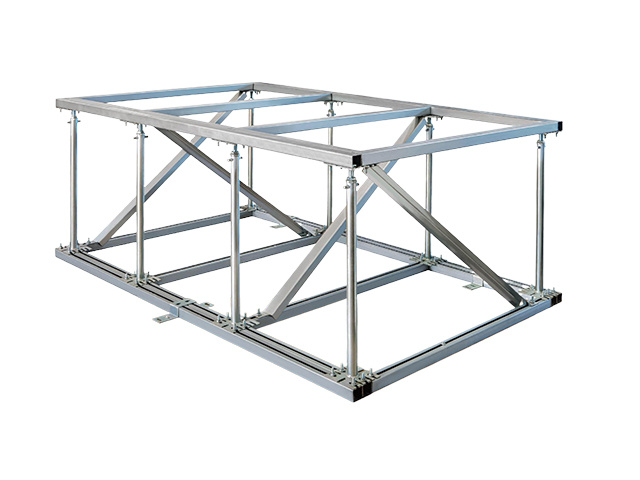
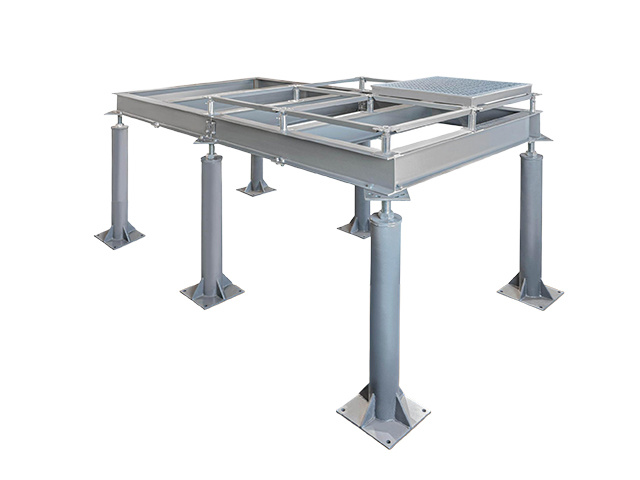
In the realm of modern data centers, efficiency and functionality are paramount. One of the most critical aspects of data center design is the incorporation of a raised floor system. A raised floor refers to a flooring structure elevated above the concrete slab, creating a space for mechanical and electrical services, such as cooling systems and cabling. This article will delve into the advantages and features of data center raised floors, making it an essential read for those involved in construction and decorative materials.
First and foremost, raised floors facilitate effective air circulation, a crucial factor in maintaining optimal temperature control within a data center. By allowing cool air to be drawn from the plenum space underneath the floor, raised floor systems contribute to efficient cooling of server racks. This design not only enhances performance but also extends the lifespan of critical IT equipment, reducing the risk of overheating and subsequent hardware failure.
Moreover, data center raised floors offer flexibility in planning and layout. As technology evolves, the need for reconfiguration becomes inevitable. Raised floors allow for easy access to electrical and networking cables, enabling quick adjustments without the need for extensive renovations. This adaptability is particularly beneficial during upgrades or expansions, allowing data center managers to respond swiftly to changing demands.
Another significant advantage of raised flooring systems is their contribution to improved safety. By elevating electrical and cooling components above the ground level, they minimize the risk of damage from water leaks or spills. Additionally, the design can incorporate anti-static features, which are crucial in protecting sensitive electronic equipment from static electricity damage, further enhancing the overall safety of the data center environment.
In terms of aesthetics, raised floors can also play an integral role. With the variety of materials and finishes available, they can be tailored to match the design preferences of the facility while still providing the necessary functionality. This combination of practicality and visual appeal makes raised floors a popular choice among architects and builders.
In conclusion, the use of data center raised floors is essential for maximizing the efficiency, safety, and flexibility of modern data centers. Their ability to provide effective cooling, facilitate easy reconfiguration, and enhance safety measures makes them a vital component of any data center design. As the demand for robust and reliable IT infrastructure continues to grow, understanding the benefits and functionalities of raised flooring systems will be invaluable for professionals in the construction and flooring industry. Investing in the right raised floor solution can lead to a more organized, efficient, and resilient data center environment, paving the way for technological advancement and operational success.
First and foremost, raised floors facilitate effective air circulation, a crucial factor in maintaining optimal temperature control within a data center. By allowing cool air to be drawn from the plenum space underneath the floor, raised floor systems contribute to efficient cooling of server racks. This design not only enhances performance but also extends the lifespan of critical IT equipment, reducing the risk of overheating and subsequent hardware failure.
Moreover, data center raised floors offer flexibility in planning and layout. As technology evolves, the need for reconfiguration becomes inevitable. Raised floors allow for easy access to electrical and networking cables, enabling quick adjustments without the need for extensive renovations. This adaptability is particularly beneficial during upgrades or expansions, allowing data center managers to respond swiftly to changing demands.
Another significant advantage of raised flooring systems is their contribution to improved safety. By elevating electrical and cooling components above the ground level, they minimize the risk of damage from water leaks or spills. Additionally, the design can incorporate anti-static features, which are crucial in protecting sensitive electronic equipment from static electricity damage, further enhancing the overall safety of the data center environment.
In terms of aesthetics, raised floors can also play an integral role. With the variety of materials and finishes available, they can be tailored to match the design preferences of the facility while still providing the necessary functionality. This combination of practicality and visual appeal makes raised floors a popular choice among architects and builders.
In conclusion, the use of data center raised floors is essential for maximizing the efficiency, safety, and flexibility of modern data centers. Their ability to provide effective cooling, facilitate easy reconfiguration, and enhance safety measures makes them a vital component of any data center design. As the demand for robust and reliable IT infrastructure continues to grow, understanding the benefits and functionalities of raised flooring systems will be invaluable for professionals in the construction and flooring industry. Investing in the right raised floor solution can lead to a more organized, efficient, and resilient data center environment, paving the way for technological advancement and operational success.

Contact us
Email address
Company address
Hengshanqiao Town, Wujin District, Changzhou City, Jiangsu Province