
Innovative Designs: The Role of Access Floor Panels in Modern Interiors
2026年02月22日
Innovative Designs: The Role of Access Floor Panels in Modern Interiors
Table of Contents
- Introduction to Access Floor Panels
- What Are Access Floor Panels?
- Benefits of Access Floor Panels in Modern Design
- Applications of Access Floor Panels
- Design Considerations for Access Floor Panels
- Innovative Materials Used in Access Floor Panels
- Sustainability in Access Floor Panel Designs
- Installation and Maintenance of Access Floor Panels
- Conclusion
- FAQs about Access Floor Panels
Introduction to Access Floor Panels
In the realm of modern interior design, access floor panels have emerged as a revolutionary solution that enhances both aesthetic appeal and functional utility. These innovative flooring systems are designed to create a hidden space beneath the floor, allowing for easy access to electrical and mechanical services. This article delves into the role of access floor panels in contemporary interiors, exploring their benefits, applications, and design considerations.
What Are Access Floor Panels?
Access floor panels are modular flooring components that can be easily installed and replaced. Typically made from materials such as steel, aluminum, or high-density fiberboard, these panels are elevated above the building's structural floor, forming a plenum space. This space is crucial for housing various services like electrical wiring, plumbing, and HVAC systems, thereby facilitating flexible office layouts and technological upgrades without significant renovations.
Key Features of Access Floor Panels
- Modularity: Access floor panels are designed to be modular, allowing for easy installation, removal, and replacement.
- Versatility: They can accommodate numerous configurations, making them suitable for various interior designs and requirements.
- Accessibility: These panels provide quick access to the underlying infrastructure, simplifying maintenance and updates to electrical and mechanical systems.
- Weight-Bearing Capacity: Modern access floor panels are engineered to support heavy loads, making them ideal for high-traffic areas.
Benefits of Access Floor Panels in Modern Design
Integrating access floor panels into modern interiors offers several advantages that enhance functionality and aesthetic appeal.
Enhanced Flexibility
Access floor systems allow for flexible interior layouts that can adapt to changing needs. This is particularly beneficial in corporate environments where configurations may need to shift frequently to accommodate new technologies or work styles.
Improved Aesthetics
With a variety of finishes and designs available, access floor panels can seamlessly blend with various interior themes. They can be carpeted, tiled, or even left in their raw form, enabling designers to achieve their desired aesthetic without compromising functionality.
Efficient Cable Management
Access floor panels provide an organized means of managing cables and wires, reducing clutter and ensuring a clean, professional appearance. This is especially important in environments where technology is a focal point, such as data centers and trading floors.
Cost-Effectiveness
Although the initial investment may be higher than traditional flooring, the long-term benefits of reduced maintenance costs and the ease of updates can make access floor panels a cost-effective solution.
Applications of Access Floor Panels
Access floor panels are versatile and can be used in various settings, including:
Commercial Spaces
In office buildings, access floors are invaluable for housing cabling and piping while allowing for easy reconfiguration of workspaces. They are often used in open-plan offices, conference rooms, and other communal areas.
Data Centers
Data centers rely heavily on efficient cooling and cable management solutions. Access floor panels facilitate airflow and allow for organized routing of cables, which is crucial for the performance and reliability of server operations.
Educational Institutions
Schools and universities have embraced access floor panels to support modern teaching methods that rely on technology. They allow for flexible classroom designs that can be reconfigured as needed.
Healthcare Facilities
In hospitals and clinics, access floor panels support the complex infrastructure required for medical equipment and technology, leading to improved patient care and operational efficiency.
Design Considerations for Access Floor Panels
When planning to integrate access floor panels into a design, several factors must be taken into account:
Load-Bearing Requirements
It is essential to determine the load-bearing capacity required for the specific application. Different environments will have different requirements, and selecting the appropriate panel is crucial for safety and performance.
Finish and Aesthetic Appeal
With various finishes available, choosing the right look is essential. Whether opting for a sleek metal finish or a textured carpet, the aesthetic should align with the overall design vision while maintaining functionality.
Height and Accessibility
Consideration of the height of the access floor system is vital. Ensuring that the height is adequate for the necessary infrastructure while still providing ease of access is a balancing act that must be addressed.
Integration with Other Systems
Access floor panels should be designed to integrate seamlessly with other building systems, such as ventilation and lighting, to create a cohesive and efficient design.
Innovative Materials Used in Access Floor Panels
The evolution of access floor panels has been driven by advances in materials technology. Some of the most innovative materials currently in use include:
Steel and Aluminum
These metals are popular for their durability and strength, making them ideal for high-traffic areas. Their resistance to bending and warping ensures longevity.
High-Density Fiberboard (HDF)
HDF panels are lightweight and cost-effective, making them suitable for applications where heavy loads are not a concern. They can be easily covered with a variety of finishes.
Composite Materials
Combining different materials can enhance performance characteristics, such as sound insulation and fire resistance, making composite panels an attractive option for versatile applications.
Sustainability in Access Floor Panel Designs
Sustainability is a crucial consideration in modern interior design. Access floor panels can contribute to greener buildings through:
Recyclable Materials
Many access floor panels are made from recyclable materials, reducing environmental impact and aligning with green building practices.
Energy Efficiency
By enabling efficient air circulation and cable management, access floor panels can contribute to the overall energy efficiency of a building, resulting in lower operational costs.
Long Lifecycle
The durability of access floor panels ensures that they have a long lifecycle, reducing the need for frequent replacements and minimizing waste.
Installation and Maintenance of Access Floor Panels
Proper installation and maintenance are key to ensuring the longevity and performance of access floor panels.
Installation Process
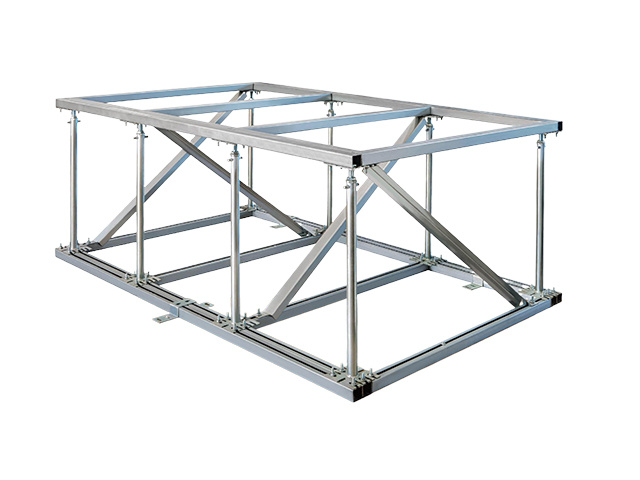
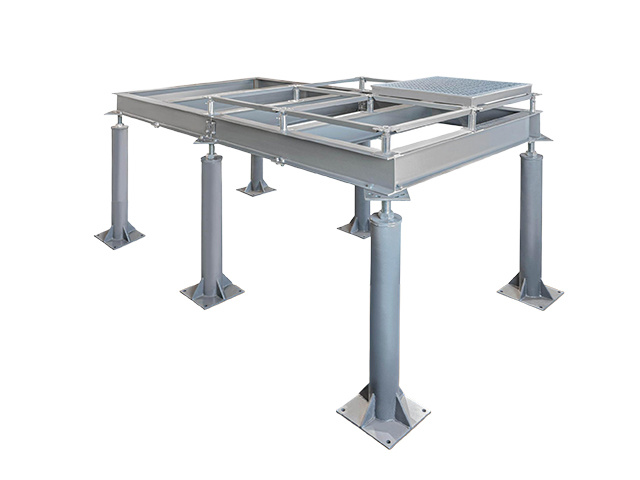
The installation of access floor panels should be performed by skilled professionals to guarantee precision and adherence to safety standards. The process typically involves preparing the subfloor, installing pedestals, and laying the panels in place.
Routine Maintenance
Maintenance is relatively straightforward. Regular inspections should be conducted to ensure panels remain secure and that the underlying systems function correctly. Cleaning can be done using standard floor care methods, depending on the panel's finish.
Conclusion
Access floor panels have fundamentally changed the landscape of modern interior design by offering flexible, functional, and aesthetically pleasing solutions. From commercial office spaces to educational institutions, their versatility enables designers to create innovative environments that meet the demands of today's technology-driven society. By understanding the benefits, applications, and considerations associated with access floor systems, architects and designers can harness their full potential to craft spaces that are both beautiful and practical.
FAQs about Access Floor Panels
1. What are the primary benefits of using access floor panels?
Access floor panels provide flexibility in design, efficient cable management, improved aesthetics, and long-term cost savings through reduced maintenance.
2. How do access floor panels impact interior design?
They allow for versatile layouts and configurations, supporting modern work environments that require adaptability and technology integration.
3. Are access floor panels suitable for residential use?
Yes, while predominantly used in commercial settings, access floor panels can also be beneficial in residential environments, particularly in home offices or smart homes.
4. What materials are commonly used for access floor panels?
Common materials include steel, aluminum, high-density fiberboard, and innovative composite materials designed for enhanced performance.
5. How do I maintain access floor panels?
Maintenance involves regular inspections for secure fitment and functionality of the underlying systems, alongside routine cleaning based on the panel finish.
In conclusion, access floor panels represent a significant advancement in modern interior design, facilitating innovative solutions that cater to the evolving needs of various environments. By embracing these systems, designers can create aesthetically pleasing, functional, and sustainable spaces that stand the test of time.

Contact us
Email address
Company address
Hengshanqiao Town, Wujin District, Changzhou City, Jiangsu Province