
Top Features to Look for When Choosing Access Floor Panels
Top Features to Look for When Choosing Access Floor Panels
Introduction to Access Floor Panels
Access floor panels have gained significant popularity in modern architectural design, particularly in offices and data centers. They provide essential benefits such as easy access to electrical and data wiring, efficient airflow management, and enhanced flexibility in space design. As we delve into
2026年01月20日
Top Features to Look for When Choosing Access Floor Panels
Introduction to Access Floor Panels
Access floor panels have gained significant popularity in modern architectural design, particularly in offices and data centers. They provide essential benefits such as easy access to electrical and data wiring, efficient airflow management, and enhanced flexibility in space design. As we delve into the top features to look for when choosing access floor panels, it’s crucial to understand how these features affect both functionality and aesthetics in your space.
Understanding Access Floor Panels
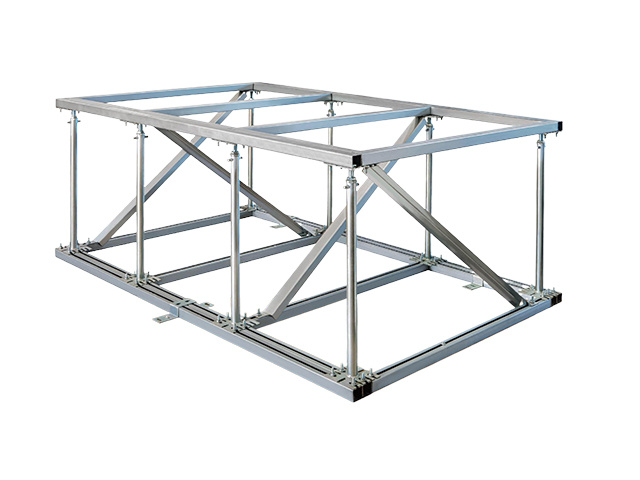
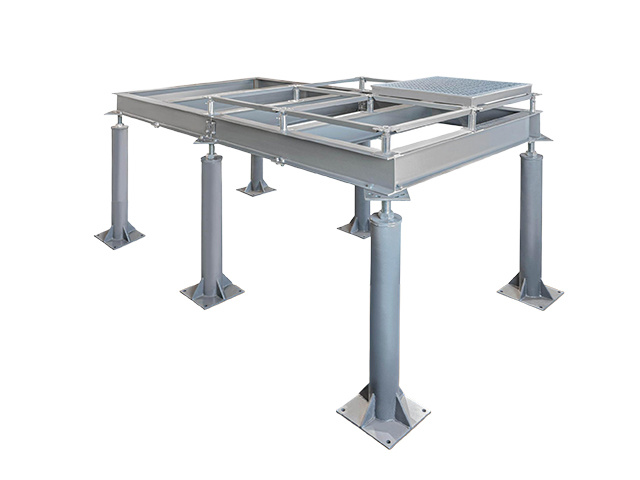
Access floor panels consist of a raised flooring system that creates a space between the structural floor and the panel surface. This cavity is utilized for routing cables, wires, and HVAC systems, making it vital for maintaining an organized and efficient environment. The choice of access floor panels can significantly impact the overall performance, appearance, and usability of a given space.
1. Load-Bearing Capacity
One of the first aspects to consider is the **load-bearing capacity** of the access floor panels. This feature determines how much weight the panels can support without compromising their structural integrity. It is vital to match the load-bearing requirements to the intended use of the space. For example, data centers require panels that can handle heavy server equipment, while office spaces may have lighter loads.
Choosing the Right Load-Bearing Specifications
When evaluating load-bearing specifications, panels are typically classified into categories based on their capacity:
- **Light Duty**: Suitable for foot traffic and light office equipment.
- **Medium Duty**: Designed for heavier office equipment and moderate foot traffic.
- **Heavy Duty**: Ideal for data centers or industrial applications requiring substantial load support.
2. Material Composition
The material of the access floor panels plays a crucial role in their durability and performance. Common materials include steel, aluminum, and high-density particle board. Each material offers unique benefits.
Evaluating Material Choices
- **Steel Panels**: Known for their strength and durability, steel panels are often used in high-traffic environments. They provide excellent resistance to damage and wear.
- **Aluminum Panels**: Lightweight yet strong, aluminum panels are often preferred in settings where corrosion resistance is essential.
- **Particle Board Panels**: These panels are cost-effective and suitable for low-traffic areas. However, they may not withstand heavy loads over time.
3. Panel Size and Design Flexibility
Access floor panels are available in various sizes and designs, allowing for customization based on specific project requirements. The ability to choose panel size impacts installation efficiency and design aesthetics.
Customizing Size and Design
When selecting sizes, consider choosing standard dimensions for ease of installation. However, custom sizes may be necessary in unique architectural designs. Additionally, the design of the panels should align with the overall aesthetic of the space. Available finishes can range from polished to textured, allowing for better integration with existing interior design.
4. Surface Finish and Aesthetic Appeal
The surface finish of access floor panels is not only about aesthetics; it also affects maintenance and safety. Various finishes such as vinyl, carpet, and laminate can enhance the visual appeal while providing practical benefits.
Choosing the Right Surface Finish
- **Vinyl Finishes**: Durable and easy to clean, vinyl finishes are ideal for high-traffic areas. They offer a wide array of colors and patterns.
- **Carpet Finishes**: Providing warmth and comfort, carpeted panels are suitable for offices and conference rooms. However, they may require more maintenance.
- **Laminate Finishes**: Offering a sleek, modern look, laminate surfaces are resistant to scratches but may be less durable compared to other options.
5. Ease of Installation and Maintenance
Choosing access floor panels that are easy to install can save time and labor costs during the construction phase. Additionally, ease of maintenance is crucial for the long-term performance of the flooring system.
Installation and Maintenance Considerations
- **Installation**: Panels should be designed for straightforward assembly, with features that facilitate quick setup and adjustments.
- **Maintenance**: Look for panels that are resistant to stains and damage, as these will require less frequent upkeep. Easy access to the space beneath the panels also simplifies maintenance of electrical and HVAC systems.
6. Fire Resistance and Safety Features
Safety is paramount when selecting access floor panels, especially in commercial buildings. Fire-resistance ratings are essential to ensure that the materials used comply with safety regulations.
Fire Resistance Standards
Ensure that the access floor panels meet local fire codes and standards. Look for panels made from non-combustible materials or those treated with fire-retardant coatings to enhance safety.
7. Acoustic Performance
In environments such as offices and conference rooms, sound insulation is valuable for maintaining privacy and minimizing distractions. The acoustic performance of access floor panels can significantly impact overall comfort.
Acoustic Solutions
Consider panels designed with sound-absorbent properties. These specialized panels can help reduce noise transmission, contributing to a quieter working environment.
8. Cost-Effectiveness
Budget considerations are always a factor when selecting access floor panels. While it may be tempting to opt for the cheapest option, evaluating the long-term cost-effectiveness is vital.
Evaluating Overall Value
Assess not only the initial purchase price but also durability, maintenance costs, and potential energy savings. Investing in high-quality access floor panels can lead to lower overall costs due to reduced maintenance and replacement rates.
Frequently Asked Questions (FAQs)
What are access floor panels made of?
Access floor panels can be made from various materials including steel, aluminum, and particle board, each offering distinct advantages based on the application requirements.
How do I know the load capacity I need for access floor panels?
Assess the intended use of the space and the weight of any equipment or furniture that will be placed on the panels. Consult with manufacturers for guidance on selecting the appropriate load capacity.
Can access floor panels help with airflow management?
Yes, access floor panels can improve airflow management by facilitating the distribution of air conditioning and heating systems, enhancing overall energy efficiency.
What is the typical lifespan of access floor panels?
The lifespan of access floor panels varies based on the material and usage, but high-quality panels can last anywhere from 15 to 25 years with proper maintenance.
Are access floor panels easy to replace or upgrade?
Yes, one of the key benefits of access floor systems is the ease of access to the space beneath the panels, allowing for quick replacement or upgrades without significant disruption.
Conclusion
Choosing the right access floor panels is a critical decision that can significantly impact the functionality and aesthetics of your space. By considering factors such as load-bearing capacity, material composition, ease of installation, and maintenance, you can ensure that your investment meets both current and future needs. Understanding the essential features discussed in this guide will empower you to make an informed choice, aligning with your specific project requirements and design vision. Ultimately, making a well-researched decision will lead to a more efficient, safe, and visually appealing environment.

Contact us
Email address
Company address
Hengshanqiao Town, Wujin District, Changzhou City, Jiangsu Province