
The Ultimate Guide to Raised Access Flooring: Benefits and Applications
Raised access flooring (RAF) has emerged as a popular solution in commercial and industrial spaces, providing a versatile and efficient method of managing electrical and mechanical services. This flooring system comprises a series of modular panels raised above the building's structural floor, creating an accessible void for routing cables, pipes, and other infrastructure components. The adaptabil
2026年01月23日
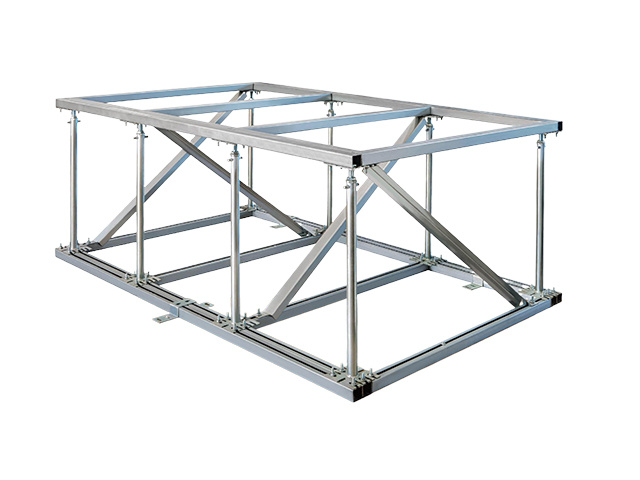
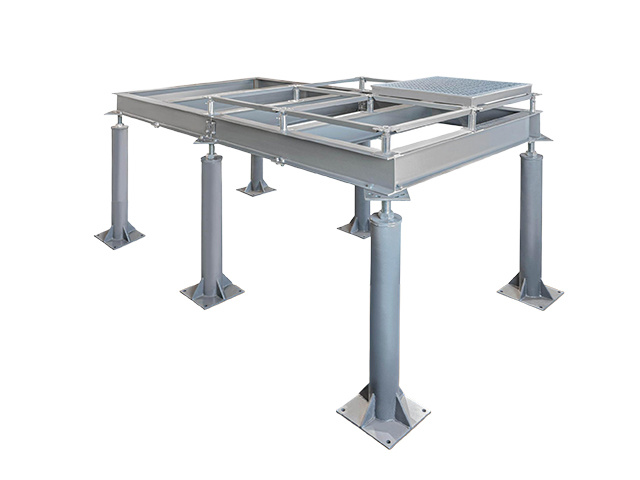
Raised access flooring (RAF) has emerged as a popular solution in commercial and industrial spaces, providing a versatile and efficient method of managing electrical and mechanical services. This flooring system comprises a series of modular panels raised above the building's structural floor, creating an accessible void for routing cables, pipes, and other infrastructure components. The adaptability and practicality of raised access flooring make it an excellent choice for a variety of environments, including offices, data centers, and educational institutions.
One of the primary benefits of raised access flooring is its ability to facilitate easy access to hidden utilities. In today's technology-driven world, the demand for flexible wiring and cabling solutions is paramount. Raised access flooring allows for quick adjustments and modifications, enabling businesses to adapt their infrastructure to changing needs without significant renovations. This flexibility not only saves time but also reduces costs associated with downtime and construction work.
Furthermore, raised access flooring contributes to improved air circulation and temperature control within a space. By elevating the floor, the system creates a gap that allows for better airflow, which can help maintain a comfortable environment. This feature is particularly beneficial in spaces with extensive electronic equipment, such as data centers, where overheating can be a concern. Effective air distribution can extend the life of valuable equipment and enhance overall performance.
In addition to its functional advantages, raised access flooring offers aesthetic benefits. With a wide range of finishes and materials available, designers can create visually appealing environments tailored to specific themes and branding requirements. The ability to integrate various floor coverings, such as carpet tiles or vinyl, on top of the panels allows for creative expression while maintaining essential functionality.
Moreover, the installation of raised access flooring is typically less invasive than traditional flooring methods. As it is built above the existing floor, there is no need for extensive demolition work, which can disrupt business operations. This characteristic makes raised access flooring an attractive option for retrofitting existing spaces without significant interruption.
Another critical consideration is the sustainability aspect of raised access flooring. Many manufacturers offer eco-friendly materials that contribute to green building initiatives. This flooring system can also support energy-efficient designs by allowing for better integration of heating and cooling systems, ultimately reducing the overall environmental impact.
In summary, raised access flooring represents a modern solution to the challenges presented by contemporary design and technology needs. Its flexibility, ease of installation, aesthetic versatility, and sustainable options make it an invaluable choice for anyone looking to optimize their space while maintaining a high level of functionality. Whether you're an architect, contractor, or facility manager, understanding the benefits and applications of raised access flooring can help you make informed decisions for your projects.
One of the primary benefits of raised access flooring is its ability to facilitate easy access to hidden utilities. In today's technology-driven world, the demand for flexible wiring and cabling solutions is paramount. Raised access flooring allows for quick adjustments and modifications, enabling businesses to adapt their infrastructure to changing needs without significant renovations. This flexibility not only saves time but also reduces costs associated with downtime and construction work.
Furthermore, raised access flooring contributes to improved air circulation and temperature control within a space. By elevating the floor, the system creates a gap that allows for better airflow, which can help maintain a comfortable environment. This feature is particularly beneficial in spaces with extensive electronic equipment, such as data centers, where overheating can be a concern. Effective air distribution can extend the life of valuable equipment and enhance overall performance.
In addition to its functional advantages, raised access flooring offers aesthetic benefits. With a wide range of finishes and materials available, designers can create visually appealing environments tailored to specific themes and branding requirements. The ability to integrate various floor coverings, such as carpet tiles or vinyl, on top of the panels allows for creative expression while maintaining essential functionality.
Moreover, the installation of raised access flooring is typically less invasive than traditional flooring methods. As it is built above the existing floor, there is no need for extensive demolition work, which can disrupt business operations. This characteristic makes raised access flooring an attractive option for retrofitting existing spaces without significant interruption.
Another critical consideration is the sustainability aspect of raised access flooring. Many manufacturers offer eco-friendly materials that contribute to green building initiatives. This flooring system can also support energy-efficient designs by allowing for better integration of heating and cooling systems, ultimately reducing the overall environmental impact.
In summary, raised access flooring represents a modern solution to the challenges presented by contemporary design and technology needs. Its flexibility, ease of installation, aesthetic versatility, and sustainable options make it an invaluable choice for anyone looking to optimize their space while maintaining a high level of functionality. Whether you're an architect, contractor, or facility manager, understanding the benefits and applications of raised access flooring can help you make informed decisions for your projects.

Contact us
Email address
Company address
Hengshanqiao Town, Wujin District, Changzhou City, Jiangsu Province