
Understanding Elevated Floor Systems: Benefits and Applications in Modern Architecture
2026年01月17日
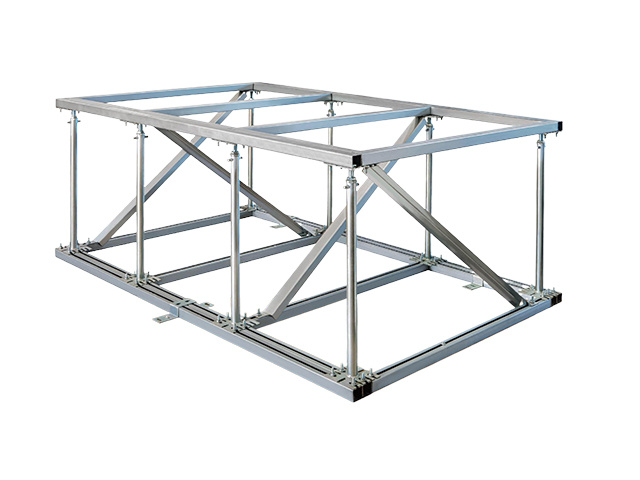
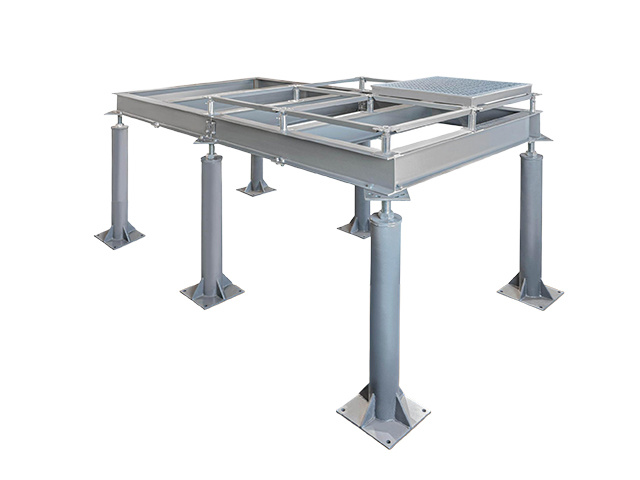
Elevated floor systems, also known as raised access floors, are innovative flooring solutions that offer flexibility, versatility, and efficiency to modern architectural designs. These systems consist of a network of panels raised above the structural floor, creating a space for the installation of electrical, plumbing, and HVAC systems. By raising the floor, these systems facilitate easy access to essential utilities, making them ideal for various commercial and institutional applications.
One of the primary benefits of elevated floor systems is their adaptability. In dynamic environments, such as office spaces and data centers, the need for frequent reconfiguration is common. Elevated floors allow for the seamless addition or relocation of wiring and utilities without extensive construction. This flexibility not only minimizes downtime but also reduces costs associated with traditional construction methods.
In addition to adaptability, elevated floor systems enhance building aesthetics. The panels can be finished in various materials, including vinyl, carpet, or tile, allowing for a customized look that can complement any design scheme. As a result, they can contribute significantly to the overall ambience of a space, providing both functionality and visual appeal.
Moreover, elevated floors improve air circulation and temperature control. By creating an airspace between the structural floor and the raised panels, these systems promote better airflow throughout the building. This is particularly beneficial in environments with high-density equipment, as it aids in cooling and reduces the risk of overheating.
The installation of elevated floor systems also supports sustainability initiatives. The ability to easily modify and update systems means that buildings can adapt to changing technologies without significant waste. This aspect aligns with modern green building practices, as it encourages the repurposing of existing materials and minimizes the environmental impact of renovations.
However, it’s important to consider the potential challenges associated with elevated floor systems. Proper design and installation are crucial to ensure structural integrity and safety. Factors such as load capacity, panel material, and finish must be carefully evaluated during the planning phase to avoid issues down the line.
In conclusion, elevated floor systems present a compelling solution for contemporary architectural needs, offering flexibility, aesthetic options, and enhanced utility management. As the demand for multifunctional spaces continues to grow, understanding the advantages and applications of elevated floor systems becomes increasingly vital for professionals in the building and finishing materials industry. By incorporating these systems into design strategies, architects and builders can create spaces that are not only functional but also adaptable to future needs.

Contact us
Email address
Company address
Hengshanqiao Town, Wujin District, Changzhou City, Jiangsu Province