
Access Floor Panels vs. Traditional Flooring: What You Need to Know for Modern Spaces
Access Floor Panels vs. Traditional Flooring: What You Need to Know for Modern Spaces
Table of Contents
1. Introduction to Flooring Solutions
2. Understanding Access Floor Panels
2.1. Definition of Access Floor Panels
2.2. Construction and Materials
2.3. Advantages of Access Floor Panels
2.4. Applications of Access Floor Panels
3. Traditional Flooring Expla
2025年11月19日
Access Floor Panels vs. Traditional Flooring: What You Need to Know for Modern Spaces
Table of Contents
- 1. Introduction to Flooring Solutions
- 2. Understanding Access Floor Panels
- 2.1. Definition of Access Floor Panels
- 2.2. Construction and Materials
- 2.3. Advantages of Access Floor Panels
- 2.4. Applications of Access Floor Panels
- 3. Traditional Flooring Explained
- 3.1. Types of Traditional Flooring
- 3.2. Benefits of Traditional Flooring
- 3.3. Applications of Traditional Flooring
- 4. Comparing Access Floor Panels and Traditional Flooring
- 5. Factors to Consider When Choosing Flooring
- 6. Frequently Asked Questions
- 7. Conclusion
1. Introduction to Flooring Solutions
In the world of interior design and construction, selecting the right flooring solution is paramount. The choice between **access floor panels** and **traditional flooring** impacts not only the aesthetic appeal but also functionality, durability, and maintenance. This guide serves as a definitive resource, equipping you with the knowledge to navigate the complexities of these two flooring types.
2. Understanding Access Floor Panels
2.1. Definition of Access Floor Panels
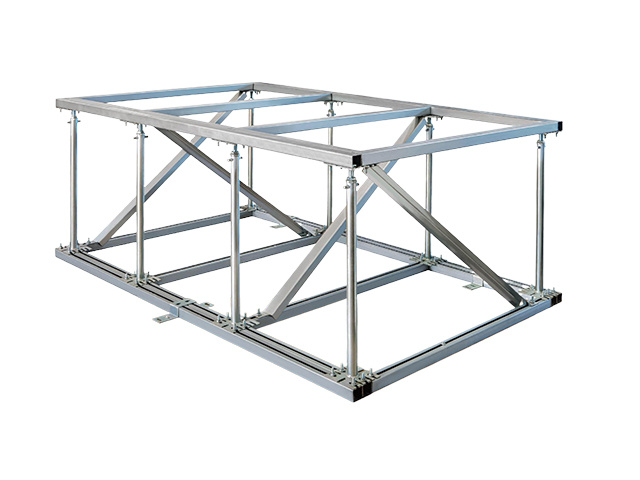
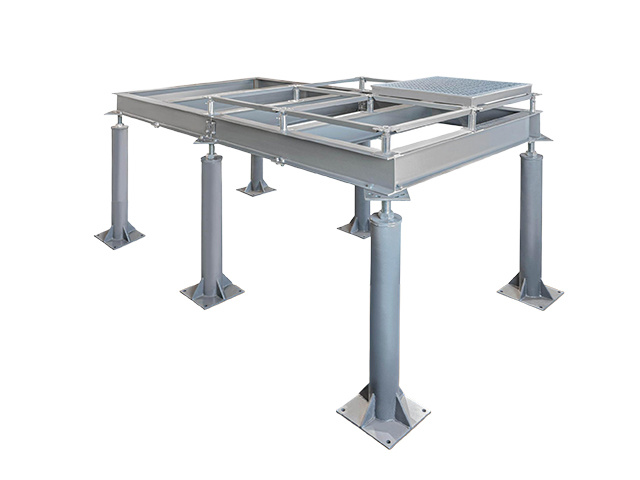
Access floor panels consist of a raised flooring system that allows for the installation of electrical and mechanical services beneath the surface. Commonly used in modern office environments, data centers, and technology hubs, these panels provide easy access to wiring, HVAC, and plumbing systems.
2.2. Construction and Materials
Typically, access floor panels are made from a variety of materials, including steel, aluminum, and high-density chipboard. The panels are designed to withstand significant weight, ensuring reliability underfoot. They are often coated with a durable finish to enhance aesthetics and longevity.
2.3. Advantages of Access Floor Panels
1. **Flexibility**: Access floor panels offer unparalleled adaptability, allowing for easy rearrangement of office layouts without extensive renovations.
2. **Serviceability**: The ability to access electrical and mechanical services quickly is a significant advantage, reducing downtime during maintenance.
3. **Enhanced Aesthetics**: Available in numerous finishes, access floor panels can seamlessly blend with diverse interior designs.
4. **Improved Airflow**: The space beneath the panels promotes better airflow, which can enhance indoor air quality.
2.4. Applications of Access Floor Panels
Access floor panels are ideal for various applications, including:
- **Data Centers**: The need for extensive wiring and ventilation makes these panels a popular choice.
- **Corporate Offices**: Flexible workspace configurations become possible, catering to dynamic team setups.
- **Telecommunications Facilities**: Quick access to cabling and infrastructure is essential in these environments.
3. Traditional Flooring Explained
3.1. Types of Traditional Flooring
Traditional flooring encompasses a wide range of materials, such as:
- **Hardwood**: Timeless elegance with a natural look.
- **Laminate**: Affordable and durable, mimicking the appearance of wood or stone.
- **Tile**: Versatile, moisture-resistant, and available in various styles.
- **Carpet**: Offers comfort and warmth but requires more maintenance.
3.2. Benefits of Traditional Flooring
1. **Aesthetic Variety**: Traditional flooring offers various styles, colors, and textures to suit diverse design preferences.
2. **Longevity**: Quality hardwood and tile can last for decades with proper maintenance.
3. **Lower Initial Cost**: Many traditional flooring options have lower upfront costs compared to access floor panels.
4. **Comfort**: Carpets, in particular, provide warmth and comfort underfoot.
3.3. Applications of Traditional Flooring
Traditional flooring solutions are suitable for:
- **Residential Homes**: Creating cozy and inviting atmospheres.
- **Retail Spaces**: Enhancing the shopping experience with appealing aesthetics.
- **Educational Institutions**: Providing durability and comfort in classrooms and hallways.
4. Comparing Access Floor Panels and Traditional Flooring
4.1. Cost Analysis
When evaluating costs, access floor panels generally have a higher initial investment due to their specialized materials and installation requirements. However, they may offer long-term savings through reduced maintenance and flexibility in layout changes. Traditional flooring tends to be less expensive upfront but can incur additional costs in maintenance and installation.
4.2. Maintenance Requirements
Access floor panels require minimal maintenance, as they are designed for easy access and durability. In contrast, traditional flooring types vary significantly in maintenance needs. For instance, carpets require regular cleaning and may need replacement sooner than hard surfaces, while hardwood requires refinishing to maintain its appearance.
4.3. Installation Processes
The installation of access floor panels is more complex, often requiring professional expertise to ensure proper alignment and weight distribution. Traditional flooring installation varies; some options, like laminate, are DIY-friendly, while others, like tile and hardwood, may require skilled labor.
5. Factors to Consider When Choosing Flooring
Selecting the right flooring involves evaluating several factors:
- **Purpose of the Space**: Identify the primary use and foot traffic levels.
- **Budget**: Determine your financial limits for both installation and long-term maintenance.
- **Aesthetic Appeal**: Choose a flooring type that complements the overall design theme.
- **Durability Needs**: Consider the wear and tear the flooring will experience in its environment.
- **Future Flexibility**: Assess whether the flooring needs to accommodate future changes in layout or technology.
6. Frequently Asked Questions
What are access floor panels primarily used for?
Access floor panels are commonly used in data centers, corporate offices, and environments where easy access to electrical and mechanical services is necessary.
How do access floor panels improve air quality?
The raised space beneath access floor panels facilitates better airflow, allowing for improved ventilation and temperature control, which enhances indoor air quality.
Can traditional flooring be installed over access floors?
Yes, traditional flooring can be installed over access floors if properly configured, but it is essential to account for height and stability.
What is the lifespan of access floor panels?
With proper care, access floor panels can last for 20-30 years or more, depending on usage and maintenance practices.
Are access floors environmentally friendly?
Many access floor systems are designed with sustainability in mind, using recyclable materials and promoting energy efficiency through improved airflow and ventilation.
7. Conclusion
Choosing between **access floor panels** and **traditional flooring** requires careful consideration of functionality, aesthetics, and future needs. **Access floor panels** excel in environments that demand flexibility and easy access to infrastructure, while **traditional flooring** offers timeless beauty and various options to fit any design vision. Ultimately, the best choice will align with your specific requirements, ensuring that your flooring solution meets both current needs and future changes.

Contact us
Email address
Company address
Hengshanqiao Town, Wujin District, Changzhou City, Jiangsu Province