
Understanding Elevated Floor Systems: A Comprehensive Guide for Construction Professionals
2025年11月16日
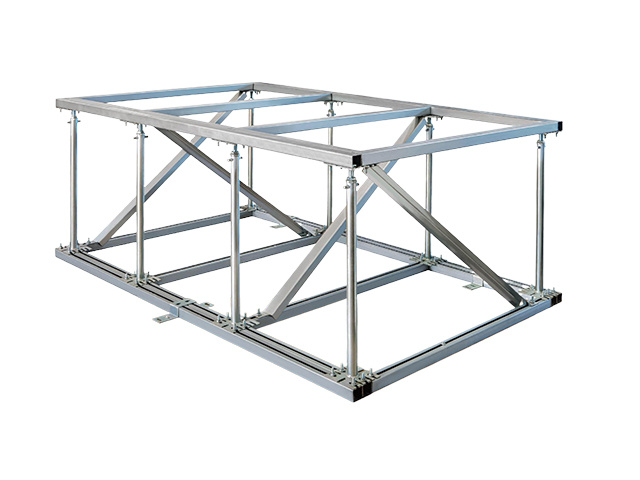
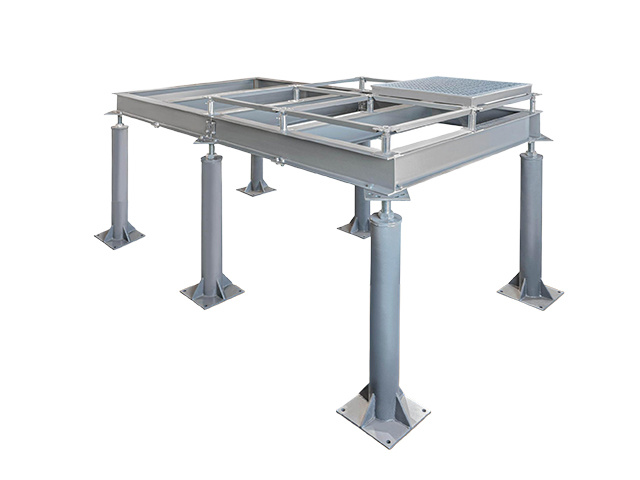
Elevated floor systems, also known as raised access floors, are an increasingly popular choice in the construction industry, particularly in commercial and institutional buildings. These systems consist of a modular floor structure raised above the original concrete slab, creating a space for mechanical, electrical, and plumbing (MEP) services. This article discusses the key aspects of elevated floor systems, including their design, advantages, and common applications.
One of the primary benefits of an elevated floor system is its ability to facilitate easy access to the underlying services. This is particularly crucial in environments that require frequent maintenance or reconfiguration of MEP systems, such as data centers, offices, and laboratories. The modular design allows for quick and efficient installation and modifications, promoting better adaptability to changing structural needs.
Another advantage of elevated floor systems is their capacity to improve air circulation and thermal management. By creating a plenum space beneath the flooring, these systems allow for optimal airflow, which is essential in environments with high heat generation, such as server rooms. Proper airflow can significantly enhance energy efficiency, resulting in lower operational costs over time.
When considering the installation of an elevated floor system, it is essential to evaluate the load-bearing requirements and structural integrity of the building. Elevated floor systems are designed to support varying loads, depending on their intended use. For instance, a system installed in a data center must accommodate heavy server equipment, while a typical office space may have lighter load requirements. Therefore, early collaboration with engineers and architects during the design phase is crucial to ensure that the flooring system meets both safety and functionality standards.
In addition, the aesthetic aspect of elevated floor systems should not be overlooked. With a wide variety of finishes and materials available, these systems can seamlessly blend into the overall design of a space while also enhancing acoustic performance. This versatility makes elevated floor systems suitable for various settings, from corporate offices to educational institutions, ensuring that they meet both practical and aesthetic needs.
Moreover, elevated floor systems can contribute to sustainability targets in construction. By optimizing the efficiency of HVAC systems and reducing energy consumption, these flooring solutions support green building practices. The ability to easily modify the layout also promotes longevity and adaptability, reducing waste associated with renovations.
In summary, elevated floor systems represent a versatile, efficient, and aesthetically pleasing solution for modern construction needs. Their ability to facilitate access, improve airflow, and adapt to changing requirements makes them a key consideration for professionals in the building and decoration industry. Understanding these systems' technical aspects and benefits will help industry professionals make informed decisions in their projects.

Contact us
Email address
Company address
Hengshanqiao Town, Wujin District, Changzhou City, Jiangsu Province