
Creative Uses of Raised Access Flooring in Innovative Interior Designs
2025年11月13日
Creative Uses of Raised Access Flooring in Innovative Interior Designs
Table of Contents
- What is Raised Access Flooring?
- Benefits of Raised Access Flooring in Interior Design
- Versatile Applications of Raised Access Flooring
- Designing with Raised Access Flooring: Tips and Ideas
- Innovative Uses in Commercial Spaces
- Incorporating Raised Access Flooring in Residential Design
- Sustainability: The Eco-Friendly Choice
- Future Trends in Raised Access Flooring Design
- FAQs About Raised Access Flooring
- Conclusion
What is Raised Access Flooring?
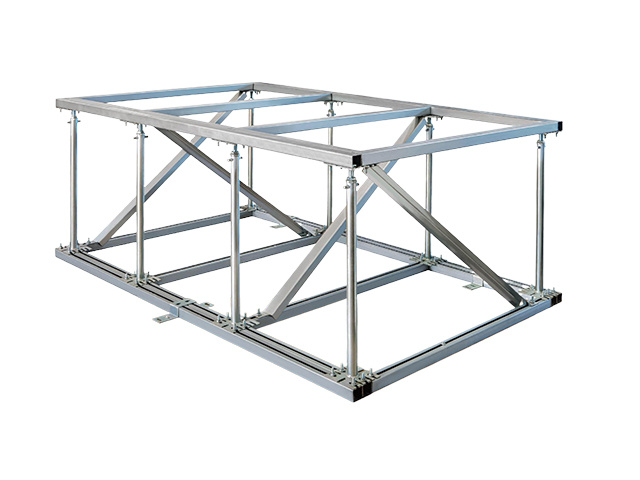
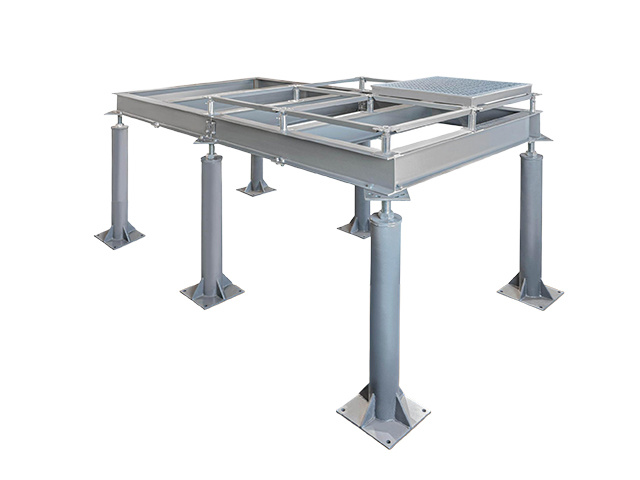
Raised access flooring The modular nature of this flooring system makes it an attractive option for innovative interior designs, allowing for a variety of finishes and textures that can complement any aesthetic.
Benefits of Raised Access Flooring in Interior Design
Raised access flooring offers numerous advantages that align with modern design trends and practical requirements:
Enhanced Flexibility and Adaptability
One of the most significant benefits of raised access flooring is its flexibility. In environments where technology and layouts frequently change, such as offices or tech hubs, the ability to access wiring and utilities beneath the floor quickly is paramount. This adaptability not only saves time during renovations but also reduces costs associated with traditional flooring systems.
Improved Aesthetics
The aesthetic appeal of raised access flooring cannot be overstated. With a variety of materials available, such as wood, laminate, and carpet, designers can choose finishes that enhance the overall décor of the space. Additionally, raised flooring can create a clean, modern look that is increasingly sought after in both commercial and residential interiors.
Environmental Benefits
Raised access flooring systems can contribute to a building’s sustainability goals. By facilitating efficient airflow and improving heating and cooling systems, they can enhance energy efficiency. Moreover, many manufacturers now offer eco-friendly materials that minimize environmental impact.
Versatile Applications of Raised Access Flooring
Raised access flooring systems can be effectively utilized in various interior design applications:
Office Spaces
In contemporary office designs, raised access flooring allows for easy reconfiguration of workstations and collaborative spaces. This system supports the integration of technology with minimal disruption. It accommodates power outlets, data cables, and HVAC systems without compromising the visual appeal of the workspace.
Retail Environments
Retail spaces benefit from raised access flooring by enabling dynamic layouts that can be adjusted according to seasonal trends or promotional events. This flexibility helps create engaging customer experiences while maintaining aesthetic coherence.
Healthcare Facilities
In healthcare environments, raised access flooring can facilitate cleaner environments and easier maintenance. With a focus on hygiene and efficiency, this flooring system allows for the easy relocation of medical equipment and technology without extensive renovations.
Designing with Raised Access Flooring: Tips and Ideas
When integrating raised access flooring into your interior design, consider the following tips:
Choose the Right Material
Selecting the appropriate finish for your raised access flooring is crucial. Options like carpet tiles or vinyl can provide both comfort and durability, while polished concrete or wood can enhance a modern aesthetic. Consider the overall theme of your space when making your choice.
Incorporate Lighting Solutions
Utilizing the space beneath the raised flooring for lighting can create dramatic effects. LED strips or recessed lighting can enhance the ambiance and highlight architectural features, offering both practicality and style.
Utilize Color and Texture
Incorporating various colors and textures can add depth to your design. Consider using different finishes in specific areas to demarcate zones within an open space, thus enhancing functionality while maintaining a cohesive design.
Innovative Uses in Commercial Spaces
Commercial spaces are increasingly recognizing the advantages of raised access flooring:
Data Centers and Technology Hubs
Data centers require an efficient way to manage vast quantities of cables and equipment. Raised access flooring provides a perfect solution for this by keeping wiring organized and accessible, thus ensuring smooth operations and minimizing downtime.
Showrooms and Exhibition Spaces
In showrooms and exhibition spaces, flexibility is key. Raised access flooring allows for quick reconfiguration of displays, making it easy to adapt to changing product lines or event requirements.
Incorporating Raised Access Flooring in Residential Design
Raised access flooring is not limited to commercial spaces; it also brings numerous benefits to residential designs:
Home Offices
As more individuals work from home, creating an efficient workspace becomes essential. Raised access flooring can help manage cables and equipment, providing a cleaner, more organized office environment.
Media Rooms
For home theater or media rooms, raised access flooring offers the chance to integrate sound and lighting systems seamlessly. With proper planning, this flooring can enhance audio dynamics while maintaining a sleek appearance.
Sustainability: The Eco-Friendly Choice
In today’s environmentally conscious society, sustainability plays a crucial role in design decisions. Raised access flooring contributes to eco-friendly practices by:
Reducing Waste
With modular systems, components can be reused or replaced without needing to demolish the entire floor. This approach minimizes construction waste and encourages a sustainable ethos in design.
Promoting Energy Efficiency
By improving airflow and reducing reliance on HVAC systems, raised access flooring can lead to lower energy consumption. Incorporating energy-efficient practices aligns with green building standards and supports sustainable living.
Future Trends in Raised Access Flooring Design
The future of raised access flooring is promising, with several trends emerging:
Smart Technology Integration
As smart technologies become more prevalent in homes and offices, raised access flooring will adapt to accommodate the infrastructure required for these systems. This integration will facilitate better connectivity and improved user experiences.
Innovative Materials
Advancements in materials science will lead to the development of lighter, more durable, and eco-friendly options. These innovations will enhance the functionality and aesthetic appeal of raised access flooring.
FAQs About Raised Access Flooring
1. What is the primary purpose of raised access flooring?
The primary purpose of raised access flooring is to create a space for routing electrical wiring, data cables, and HVAC systems while providing flexibility for future modifications in interior design.
2. How is raised access flooring installed?
Raised access flooring is installed by placing panels on adjustable pedestals, allowing for height adjustments and easy access to the underfloor space.
3. Can raised access flooring be used in residential spaces?
Yes, raised access flooring is increasingly used in residential spaces such as home offices, media rooms, and open-concept living areas.
4. What materials are commonly used in raised access flooring?
Common materials include steel, aluminum, wood, laminate, and carpet, allowing for various aesthetic and functional choices.
5. Are there any maintenance requirements for raised access flooring?
Maintenance largely depends on the flooring material chosen. Regular cleaning and occasional checks for stability are recommended to ensure longevity.
Conclusion
Raised access flooring represents a significant evolution in interior design, capable of transforming spaces into functional, adaptable, and aesthetically pleasing environments. From commercial enterprises to residential homes, the benefits of raised access flooring are undeniable. Its versatility, sustainability, and innovative applications ensure that it will remain a staple in modern design. As we continue to explore and embrace new technologies and materials, the potential for raised access flooring in innovative interior designs is boundless. By integrating this flooring solution into your projects, you not only enhance the visual appeal of your spaces but also promote a more efficient and sustainable approach to design.

Contact us
Email address
Company address
Hengshanqiao Town, Wujin District, Changzhou City, Jiangsu Province