
Exploring the Advantages of Raised Access Flooring in Modern Construction
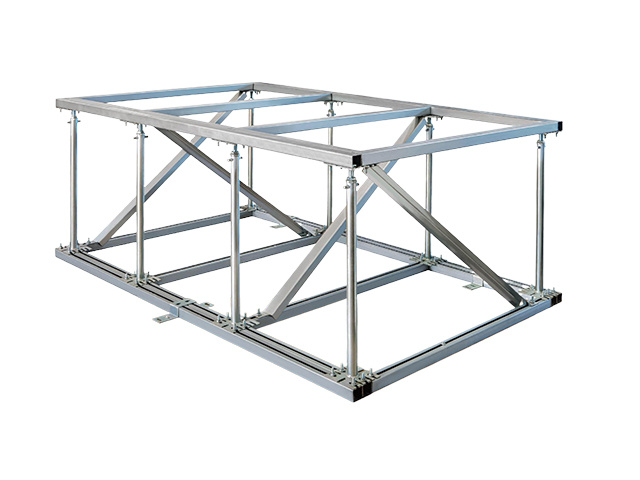
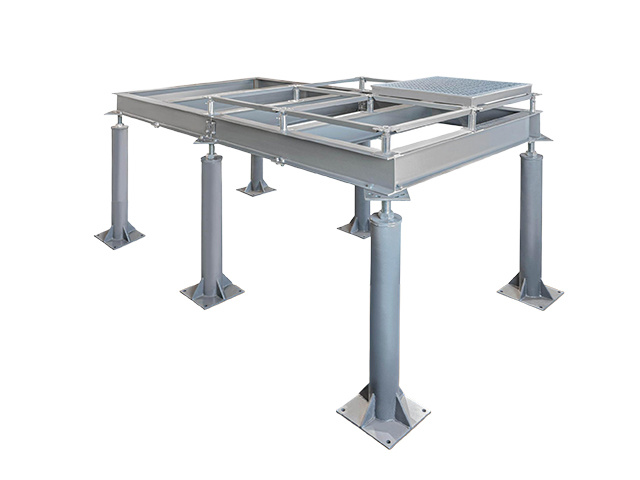
Raised access flooring is a specialized flooring system that consists of panels elevated above the subfloor, creating a hidden space for cables, wires, and other utilities. This innovative approach not only helps in organizing electrical and data wiring but also offers a multitude of benefits for various commercial and industrial environments. Here, we will delve into the significant advantages of
2025年11月22日
Raised access flooring is a specialized flooring system that consists of panels elevated above the subfloor, creating a hidden space for cables, wires, and other utilities. This innovative approach not only helps in organizing electrical and data wiring but also offers a multitude of benefits for various commercial and industrial environments. Here, we will delve into the significant advantages of raised access flooring and its relevance in today’s construction and interior design landscape.
One of the primary benefits of raised access flooring is its flexibility. The modular design allows for easy reconfiguration, making it an ideal solution for spaces that require frequent changes in furniture layout or technology upgrades. For example, in office environments where layouts may change as teams grow or evolve, raised access flooring simplifies the process of relocating equipment and wiring with minimal disruption.
Another advantage is improved airflow and climate control. The space beneath the raised flooring can be utilized for air distribution, enhancing the efficiency of heating and cooling systems. This is particularly beneficial in large commercial buildings, where managing temperature and air quality is crucial for the comfort of occupants. By utilizing the underfloor space for air circulation, it also reduces the need for extensive ductwork, further contributing to a cleaner aesthetic and easier maintenance.
Furthermore, safety is a pivotal concern in any construction project. Raised access flooring can effectively conceal electrical and communication cabling, mitigating risks associated with tripping hazards. The elevated panels also allow for better access to maintenance areas, ensuring that utilities can be easily serviced without major disruptions to the workspace.
Acoustic performance is another noteworthy aspect of raised access flooring. In high-traffic environments, sound transmission can be a significant issue. The structure of raised flooring systems can help dampen sound, providing a quieter and more productive workspace. This is especially important in areas such as open offices, conference rooms, or educational facilities, where noise levels can impact concentration and communication.
In addition to functionality, raised access flooring can also contribute to the overall aesthetic appeal of a space. With a variety of materials, colors, and finishes available, designers have the flexibility to create an environment that aligns with their vision while maintaining the practical aspects of the flooring system.
In summary, raised access flooring is a valuable solution for modern construction projects. Its flexibility, efficiency in airflow, enhanced safety, acoustic benefits, and aesthetic versatility make it an ideal choice for a range of applications in the building and decoration materials industry. As the demands of contemporary spaces continue to evolve, raised access flooring stands out as a forward-thinking option that meets both functional and design needs.
One of the primary benefits of raised access flooring is its flexibility. The modular design allows for easy reconfiguration, making it an ideal solution for spaces that require frequent changes in furniture layout or technology upgrades. For example, in office environments where layouts may change as teams grow or evolve, raised access flooring simplifies the process of relocating equipment and wiring with minimal disruption.
Another advantage is improved airflow and climate control. The space beneath the raised flooring can be utilized for air distribution, enhancing the efficiency of heating and cooling systems. This is particularly beneficial in large commercial buildings, where managing temperature and air quality is crucial for the comfort of occupants. By utilizing the underfloor space for air circulation, it also reduces the need for extensive ductwork, further contributing to a cleaner aesthetic and easier maintenance.
Furthermore, safety is a pivotal concern in any construction project. Raised access flooring can effectively conceal electrical and communication cabling, mitigating risks associated with tripping hazards. The elevated panels also allow for better access to maintenance areas, ensuring that utilities can be easily serviced without major disruptions to the workspace.
Acoustic performance is another noteworthy aspect of raised access flooring. In high-traffic environments, sound transmission can be a significant issue. The structure of raised flooring systems can help dampen sound, providing a quieter and more productive workspace. This is especially important in areas such as open offices, conference rooms, or educational facilities, where noise levels can impact concentration and communication.
In addition to functionality, raised access flooring can also contribute to the overall aesthetic appeal of a space. With a variety of materials, colors, and finishes available, designers have the flexibility to create an environment that aligns with their vision while maintaining the practical aspects of the flooring system.
In summary, raised access flooring is a valuable solution for modern construction projects. Its flexibility, efficiency in airflow, enhanced safety, acoustic benefits, and aesthetic versatility make it an ideal choice for a range of applications in the building and decoration materials industry. As the demands of contemporary spaces continue to evolve, raised access flooring stands out as a forward-thinking option that meets both functional and design needs.

Contact us
Email address
Company address
Hengshanqiao Town, Wujin District, Changzhou City, Jiangsu Province