
Enhancing Infrastructure: The Essential Role of Raised Access Floors in Modern Commercial Spaces
Enhancing Infrastructure: The Essential Role of Raised Access Floors in Modern Commercial Spaces
Table of Contents
Introduction
What Are Raised Access Floors?
Benefits of Raised Access Floors in Commercial Spaces
Flexibility and Customization
Enhanced Aesthetics
Improved Ventilation and Cooling
Easy Access for Maintenance
Installation Process of Raised
2025年10月10日
Enhancing Infrastructure: The Essential Role of Raised Access Floors in Modern Commercial Spaces
Table of Contents
- Introduction
- What Are Raised Access Floors?
- Benefits of Raised Access Floors in Commercial Spaces
- Flexibility and Customization
- Enhanced Aesthetics
- Improved Ventilation and Cooling
- Easy Access for Maintenance
- Installation Process of Raised Access Floors
- Maintenance Tips for Raised Access Floors
- Case Studies: Successful Implementation
- Common Questions About Raised Access Floors
- Conclusion
Introduction
In today's fast-paced commercial environment, businesses are constantly seeking innovative solutions to enhance their infrastructure. Among these, raised access floors have emerged as a pivotal choice for modern workplaces. These flooring systems not only facilitate the seamless management of essential utilities but also promote an adaptable and aesthetically pleasing environment.
This article explores the significant role raised access floors play in commercial spaces, focusing on their benefits, installation processes, and maintenance tips, all while addressing common queries surrounding their use.
What Are Raised Access Floors?
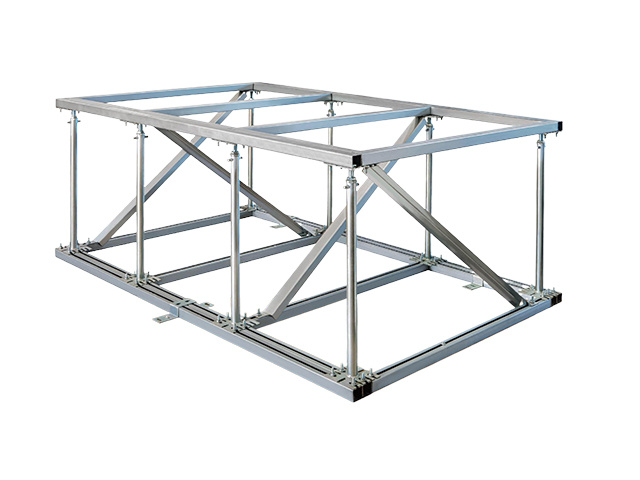
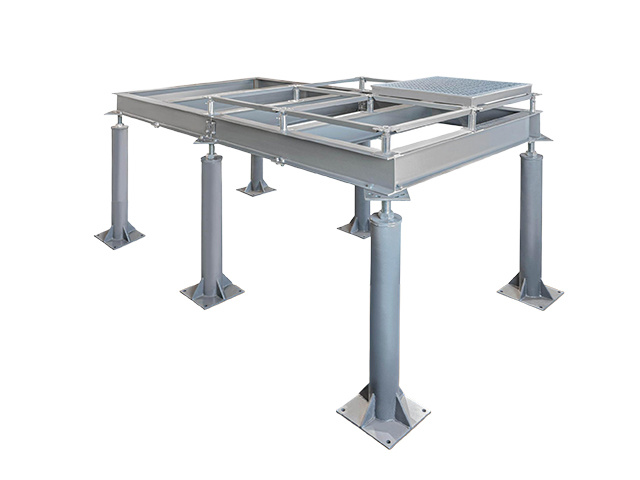
Raised access floors are elevated floor systems consisting of modular panels placed above a structural floor, allowing easy access to electrical, mechanical, and data cabling. This design creates a space between the actual floor and the raised surface, offering numerous advantages for businesses looking to create efficient and flexible work environments.
Benefits of Raised Access Floors in Commercial Spaces
The integration of raised access floors into commercial spaces provides a range of benefits that enhance functionality and aesthetics. Let’s delve into some of the critical advantages.
Flexibility and Customization
A significant advantage of raised access floors is their **flexibility**. As businesses evolve, their spatial needs may change. Raised access floors allow for easy reconfiguration of office layouts without the need for extensive renovation. Companies can quickly rearrange furniture, workstations, and equipment, accommodating new workflows or team structures without significant downtime.
Furthermore, the modular design of raised access floors enables **customization**. Businesses can choose from various materials, finishes, and heights that align with their specific requirements and aesthetic goals. This level of customization ensures that the flooring system not only meets functional needs but also enhances the overall design of the workspace.
Enhanced Aesthetics
In addition to functionality, raised access floors contribute to a more refined and modern appearance in commercial spaces. The variety of available surface materials, such as vinyl, carpet, or wood, allows businesses to select finishes that resonate with their brand identity.
A well-designed raised access floor can seamlessly blend into the overall architectural style, elevating the workplace's look and feel. By hiding unsightly cables and ducts beneath a polished surface, these flooring systems create a clean, uncluttered environment that promotes professionalism.
Improved Ventilation and Cooling
Raised access floors play a crucial role in enhancing **HVAC (Heating, Ventilation, and Air Conditioning)** efficiency. The space between the raised floor and the structural floor serves as a plenum, allowing for the distribution of air more efficiently throughout the building. This design enables better airflow, which can lead to improved temperature control and energy efficiency.
By utilizing this air supply advantage, businesses can create a more comfortable working environment, positively impacting employee productivity and well-being.
Easy Access for Maintenance
Regular maintenance is crucial for any commercial space, and raised access floors simplify this process. The design allows for quick access to electrical wiring, plumbing, and HVAC systems, ensuring that maintenance personnel can perform their tasks efficiently without the hassle of disrupting the entire workspace.
This ease of access significantly reduces downtime during maintenance activities, thereby minimizing the impact on business operations. Moreover, it decreases the overall costs associated with facilities management.
Installation Process of Raised Access Floors
Implementing raised access floors involves a systematic approach to ensure optimal results. The following steps outline the standard installation process:
1. **Assessment and Planning**: Before installation, it's essential to assess the workspace and plan the layout accordingly. This includes determining the height of the raised floor needed for utilities and identifying the most efficient configuration.
2. **Preparation of the Subfloor**: The existing subfloor must be prepared, ensuring it is clean, dry, and free of debris. Any repairs needed should be addressed at this stage.
3. **Installation of Pedestals**: Pedestals are installed on the prepared subfloor. These adjustable supports will hold the access panels in place, determining the height of the raised floor.
4. **Panel Placement**: Modular panels are placed on top of the pedestals, creating the raised access floor. Each panel fits securely, ensuring stability.
5. **Finishing Touches**: Once installed, the floor can be finished with the chosen surface material, enhancing both aesthetics and functionality.
6. **Testing and Quality Assurance**: After installation, a thorough inspection and testing process is conducted to ensure all systems are functioning correctly.
Maintenance Tips for Raised Access Floors
To maximize the lifespan and performance of raised access floors, regular maintenance is essential. Here are several tips to keep in mind:
1. **Routine Inspections**: Schedule regular inspections to check for any signs of wear and tear, ensuring that all panels fit securely and that there are no exposed wires or cables.
2. **Cleaning**: Maintain cleanliness by routinely vacuuming or sweeping the floor surface. For deeper cleaning, use appropriate cleaning agents that are safe for the chosen material.
3. **Avoid Heavy Loads**: Ensure that the weight placed on raised access floors does not exceed the manufacturer's specified limits to prevent structural damage.
4. **Cable Management**: Regularly check cables and wiring beneath the floor panels. Proper organization can prevent tangling and damage, making maintenance easier.
5. **Professional Assessment**: Engage a professional for periodic assessments, especially if the raised access floor is part of an extensive infrastructure system.
Case Studies: Successful Implementation
To illustrate the effectiveness of raised access floors, we can examine a few case studies from various industries:
1. **Corporate Office**: A leading technology firm implemented raised access floors to facilitate rapid changes in their workspace layout. The flexible design allowed them to reorganize their office quickly during project rollouts, resulting in improved collaboration and productivity.
2. **Data Centers**: A major financial institution upgraded its data center infrastructure with raised access floors to enhance cooling efficiency. By improving airflow and reducing energy costs, they achieved significant long-term savings.
3. **Educational Institutions**: A university constructed new classrooms with raised access floors to accommodate technology upgrades and flexible teaching methods. This installation allowed easy access to power and data outlets, streamlining the integration of modern teaching tools.
Common Questions About Raised Access Floors
1. **How long do raised access floors last?**
Raised access floors can last for decades if properly maintained. The lifespan depends on the quality of materials used and the level of foot traffic.
2. **Are raised access floors suitable for all types of buildings?**
Yes, raised access floors can be installed in various commercial spaces, including offices, data centers, hospitals, and educational institutions.
3. **Can I install raised access floors myself?**
While DIY installation is possible for those with experience, it is advisable to hire professionals to ensure proper installation and compliance with safety standards.
4. **What materials are raised access floors made from?**
Raised access floors can be constructed from various materials, including steel, concrete, wood, and composite materials, providing options for durability and aesthetics.
5. **How do raised access floors contribute to energy efficiency?**
By improving airflow and allowing for efficient cooling of HVAC systems, raised access floors can help reduce energy costs significantly.
Conclusion
In conclusion, raised access floors play a crucial role in enhancing infrastructure within commercial spaces. Their flexibility, aesthetic appeal, and practical benefits make them an ideal choice for businesses looking to optimize their work environments. By allowing easy access for maintenance, promoting efficient airflow, and providing customizable solutions, raised access floors contribute significantly to the overall functionality and efficiency of commercial buildings.
As the demand for adaptable and efficient workspaces continues to rise, investing in raised access floors can position businesses for future success and operational excellence. Embracing this innovative flooring solution is not just about enhancing aesthetics; it's about creating an environment that fosters productivity, collaboration, and growth.

Contact us
Email address
Company address
Hengshanqiao Town, Wujin District, Changzhou City, Jiangsu Province