
The Benefits and Applications of Raised Access Floors in Modern Architecture
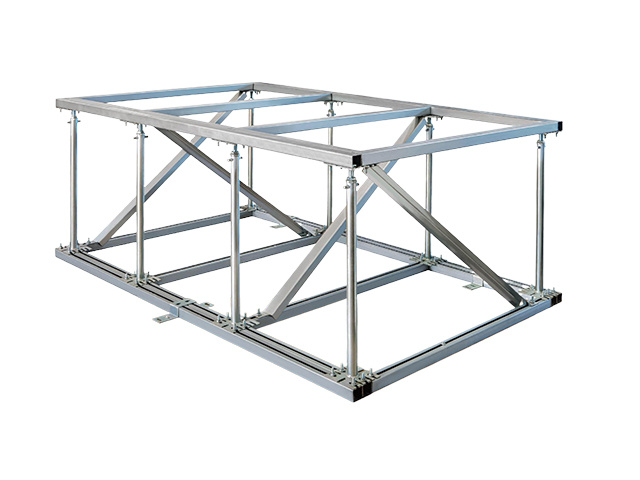
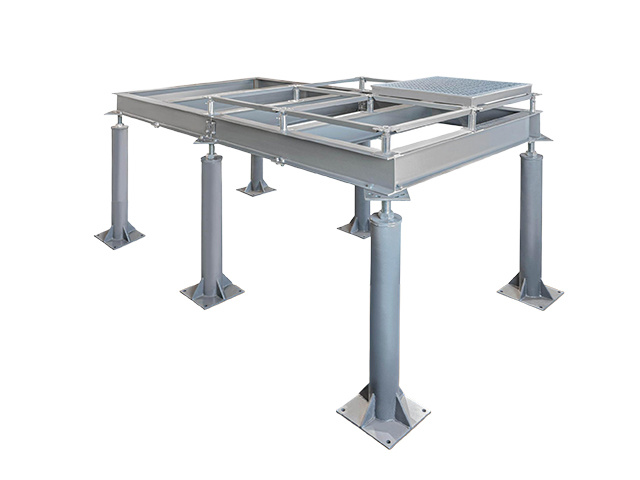
Raised access floors, also known as raised flooring systems, have become increasingly popular in modern architecture due to their versatile applications and numerous advantages. These flooring systems consist of a raised platform above the building's subfloor, creating a space that can accommodate various utilities, including electrical wiring, data cables, and HVAC systems. The space between the
2025年10月09日
Raised access floors, also known as raised flooring systems, have become increasingly popular in modern architecture due to their versatile applications and numerous advantages. These flooring systems consist of a raised platform above the building's subfloor, creating a space that can accommodate various utilities, including electrical wiring, data cables, and HVAC systems. The space between the raised floor and the original floor allows for easy access and flexibility, which is crucial in today’s fast-paced and ever-evolving work environments.
One of the primary benefits of raised access floors is their ability to enhance space management. In commercial buildings, where technology and utilities are constantly changing, the modular nature of raised flooring permits easy reconfiguration. This adaptability is particularly valuable in office spaces, data centers, and control rooms, where equipment layouts can fluctuate. By utilizing raised access floors, companies can efficiently manage their evolving needs without the need for extensive renovations or disruption.
Additionally, raised access floors contribute to improved aesthetics and functionality in workspaces. The ability to conceal wiring and cables not only minimizes the visual clutter often associated with traditional flooring methods but also promotes safety by reducing tripping hazards. This clean and organized appearance can significantly enhance the overall ambiance of a space, making it more conducive to productivity.
Another important aspect to consider is the improved air circulation facilitated by raised access floors. This design feature allows for underfloor air distribution systems, which can promote better temperature control and energy efficiency within buildings. By providing a pathway for conditioned air to flow, raised access floors can contribute to a more comfortable and sustainable indoor environment.
Installation of raised access floors is typically straightforward, allowing for quick deployment in both new constructions and renovations. The panels can be made from various materials, including steel, wood, or composite materials, catering to a wide range of design requirements and performance standards. Maintenance is also simplified, as individual panels can be easily removed and replaced, providing ongoing access to the utilities that lie beneath.
In conclusion, raised access floors offer a multitude of benefits that align with the demands of modern architecture. Their flexibility, aesthetic appeal, safety features, and energy efficiency make them an ideal choice for a variety of applications across different industries. As building designs continue to evolve, raised access floors will undoubtedly remain a relevant and valuable solution for architects, builders, and facility managers alike. Understanding these advantages can empower professionals to make informed decisions that enhance the functionality and appeal of their projects.
One of the primary benefits of raised access floors is their ability to enhance space management. In commercial buildings, where technology and utilities are constantly changing, the modular nature of raised flooring permits easy reconfiguration. This adaptability is particularly valuable in office spaces, data centers, and control rooms, where equipment layouts can fluctuate. By utilizing raised access floors, companies can efficiently manage their evolving needs without the need for extensive renovations or disruption.
Additionally, raised access floors contribute to improved aesthetics and functionality in workspaces. The ability to conceal wiring and cables not only minimizes the visual clutter often associated with traditional flooring methods but also promotes safety by reducing tripping hazards. This clean and organized appearance can significantly enhance the overall ambiance of a space, making it more conducive to productivity.
Another important aspect to consider is the improved air circulation facilitated by raised access floors. This design feature allows for underfloor air distribution systems, which can promote better temperature control and energy efficiency within buildings. By providing a pathway for conditioned air to flow, raised access floors can contribute to a more comfortable and sustainable indoor environment.
Installation of raised access floors is typically straightforward, allowing for quick deployment in both new constructions and renovations. The panels can be made from various materials, including steel, wood, or composite materials, catering to a wide range of design requirements and performance standards. Maintenance is also simplified, as individual panels can be easily removed and replaced, providing ongoing access to the utilities that lie beneath.
In conclusion, raised access floors offer a multitude of benefits that align with the demands of modern architecture. Their flexibility, aesthetic appeal, safety features, and energy efficiency make them an ideal choice for a variety of applications across different industries. As building designs continue to evolve, raised access floors will undoubtedly remain a relevant and valuable solution for architects, builders, and facility managers alike. Understanding these advantages can empower professionals to make informed decisions that enhance the functionality and appeal of their projects.

Contact us
Email address
Company address
Hengshanqiao Town, Wujin District, Changzhou City, Jiangsu Province