
The Essential Guide to Raised Access Floor Pedestals in Modern Construction
Raised access floor pedestals are an integral component of modern flooring systems, particularly in commercial buildings, data centers, and office spaces. These pedestals serve as supports for raised access flooring, creating a space between the subfloor and the finished floor that allows for the efficient management of electrical, mechanical, and telecommunications cabling. By elevating the floor
2025年10月05日
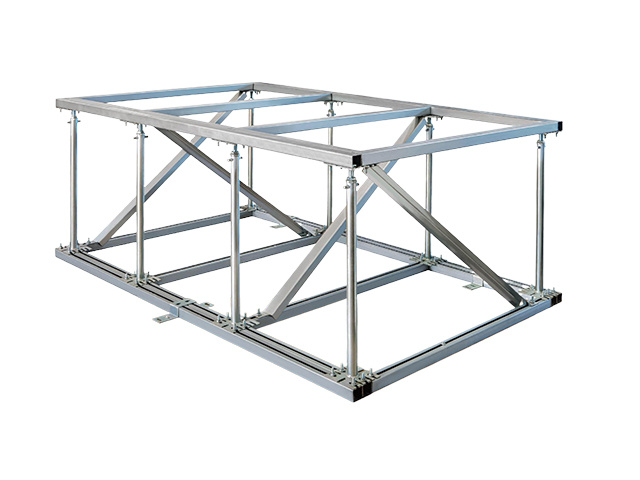
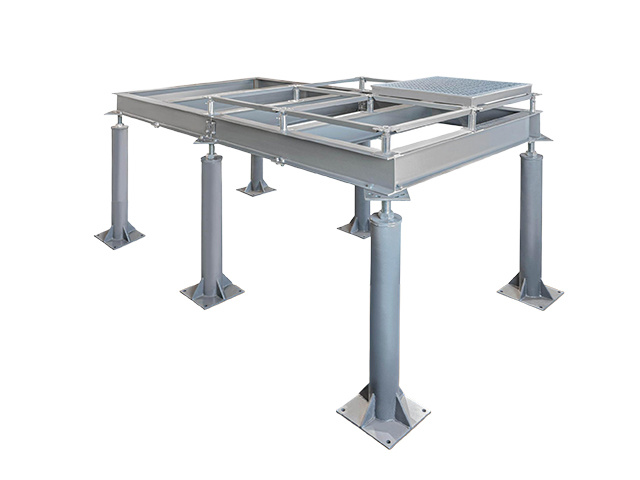
Raised access floor pedestals are an integral component of modern flooring systems, particularly in commercial buildings, data centers, and office spaces. These pedestals serve as supports for raised access flooring, creating a space between the subfloor and the finished floor that allows for the efficient management of electrical, mechanical, and telecommunications cabling. By elevating the floor, these systems offer a versatile solution that can adapt to various building requirements.
One of the significant advantages of raised access floor pedestals is their ability to facilitate easy access to utilities. This is particularly beneficial in environments where frequent changes or adjustments to the wiring or plumbing are necessary. The elevated floor creates a hidden yet accessible space, allowing technicians to perform maintenance without disrupting the office environment. This not only enhances the building’s functionality but also minimizes downtime, making it an efficient choice for businesses.
Moreover, raised access floor systems contribute to improved air circulation. By utilizing the space beneath the floor, air distribution systems can be integrated seamlessly, promoting better climate control within the building. This is especially important in settings where temperature regulation is crucial, such as server rooms or laboratories. The combination of raised access floor pedestals and well-designed airflow systems can lead to significant energy savings and enhanced comfort for occupants.
In terms of installation, raised access floor pedestals offer flexibility in design and layout. They can be customized to accommodate various floor heights and configurations, making them suitable for different architectural styles and requirements. Additionally, with advancements in materials and technology, these pedestals can support a wide variety of floor finishes, from carpet tiles to vinyl or hardwood, allowing for aesthetic versatility without compromising on functionality.
It’s also worth noting that raised access floor systems can contribute to a building’s sustainability goals. By enabling easier access to utilities, they support energy-efficient practices and can accommodate new technologies as they emerge. The ability to easily retrofit changes in wiring or plumbing reduces the need for extensive renovations, which can be both time-consuming and costly.
In summary, raised access floor pedestals are a vital feature in contemporary construction, offering practical benefits that enhance both the functionality and aesthetic appeal of commercial spaces. Their ability to provide easy access to utilities, promote better air circulation, and allow for design flexibility makes them an invaluable asset in modern building practices. Whether you’re planning a new project or looking to upgrade an existing space, considering raised access floor pedestals is a step towards achieving a more efficient and adaptable environment.
One of the significant advantages of raised access floor pedestals is their ability to facilitate easy access to utilities. This is particularly beneficial in environments where frequent changes or adjustments to the wiring or plumbing are necessary. The elevated floor creates a hidden yet accessible space, allowing technicians to perform maintenance without disrupting the office environment. This not only enhances the building’s functionality but also minimizes downtime, making it an efficient choice for businesses.
Moreover, raised access floor systems contribute to improved air circulation. By utilizing the space beneath the floor, air distribution systems can be integrated seamlessly, promoting better climate control within the building. This is especially important in settings where temperature regulation is crucial, such as server rooms or laboratories. The combination of raised access floor pedestals and well-designed airflow systems can lead to significant energy savings and enhanced comfort for occupants.
In terms of installation, raised access floor pedestals offer flexibility in design and layout. They can be customized to accommodate various floor heights and configurations, making them suitable for different architectural styles and requirements. Additionally, with advancements in materials and technology, these pedestals can support a wide variety of floor finishes, from carpet tiles to vinyl or hardwood, allowing for aesthetic versatility without compromising on functionality.
It’s also worth noting that raised access floor systems can contribute to a building’s sustainability goals. By enabling easier access to utilities, they support energy-efficient practices and can accommodate new technologies as they emerge. The ability to easily retrofit changes in wiring or plumbing reduces the need for extensive renovations, which can be both time-consuming and costly.
In summary, raised access floor pedestals are a vital feature in contemporary construction, offering practical benefits that enhance both the functionality and aesthetic appeal of commercial spaces. Their ability to provide easy access to utilities, promote better air circulation, and allow for design flexibility makes them an invaluable asset in modern building practices. Whether you’re planning a new project or looking to upgrade an existing space, considering raised access floor pedestals is a step towards achieving a more efficient and adaptable environment.

Contact us
Email address
Company address
Hengshanqiao Town, Wujin District, Changzhou City, Jiangsu Province