
From Installation to Maintenance: A Comprehensive Guide to Raised Access Floors
From Installation to Maintenance: A Comprehensive Guide to Raised Access Floors
Table of Contents
1. Introduction to Raised Access Floors
2. Benefits of Using Raised Access Floors
3. Installation Process for Raised Access Floors
3.1 Planning Your Installation
3.2 Choosing the Right Materials
3.3 Step-by-Step Installation G
2025年10月06日
From Installation to Maintenance: A Comprehensive Guide to Raised Access Floors
Table of Contents
- 1. Introduction to Raised Access Floors
- 2. Benefits of Using Raised Access Floors
- 3. Installation Process for Raised Access Floors
- 4. Maintenance of Raised Access Floors
- 5. Troubleshooting Common Issues
- 6. Case Studies: Successful Raised Access Floor Installations
- 7. Conclusion
- 8. Frequently Asked Questions
1. Introduction to Raised Access Floors
Raised access floors offer a practical solution for managing the complex needs of modern buildings, particularly in office spaces, data centers, and other environments that require flexibility and adaptability. These floors consist of a network of adjustable panels elevated above the building's original floor, creating a hidden space for essential utilities such as electrical wiring, HVAC systems, and data cables.
This guide will delve into every aspect of raised access floors, from installation to maintenance, providing a comprehensive resource for professionals and DIY enthusiasts alike.
2. Benefits of Using Raised Access Floors
Raised access floors provide numerous advantages that enhance functionality and aesthetics in various settings. Some of the key benefits include:
2.1 Increased Flexibility
The modular nature of raised access floors allows for easy reconfiguration of office spaces. This flexibility is particularly valuable for organizations that frequently adjust their layouts to accommodate growth or changes in team structures.
2.2 Improved Airflow and Climate Control
The gap created by raised access flooring promotes better airflow, reducing the burden on heating and cooling systems. This can improve energy efficiency and create a more comfortable working environment.
2.3 Enhanced Aesthetics
With a variety of finishes available, raised access floors can contribute to a sleek, modern interior design. They can be tailored to match the aesthetics of any office or commercial space.
2.4 Simplified Maintenance
Accessing electrical and mechanical systems becomes a breeze with raised access floors. Maintenance teams can efficiently perform upgrades or repairs without extensive disruption to the workspace.
3. Installation Process for Raised Access Floors
Installing raised access floors requires careful planning and execution to ensure a seamless result. Following is a detailed guide to help you navigate the installation process.
3.1 Planning Your Installation
Before beginning the installation of raised access floors, it’s essential to assess your space thoroughly. Consider the following factors:
- **Purpose of the Space**: Understand the primary use of the area, as this will influence the type of flooring and panels selected.
- **Load Requirements**: Evaluate the weight requirements for equipment and foot traffic to select appropriate materials.
- **Utility Needs**: Identify where electrical and HVAC systems will be routed to optimize the layout.
After gathering this information, create a detailed plan that outlines the installation process and timelines.
3.2 Choosing the Right Materials
The choice of materials is critical for the performance and durability of raised access floors. Common materials include:
- **Steel**: Known for its strength and durability, steel panels can support heavy loads.
- **Aluminum**: Lightweight and corrosion-resistant, aluminum is ideal for areas with high moisture levels.
- **Wood Core**: Often used for aesthetic appeal, wood core panels offer good insulation properties but may require more maintenance.
Select materials based on the specific needs of your project, weighing durability against budget constraints.
3.3 Step-by-Step Installation Guide
Follow these steps for a successful installation of raised access floors:
1. **Prepare the Subfloor**: Ensure the existing floor is clean, dry, and level before laying down the access floor.
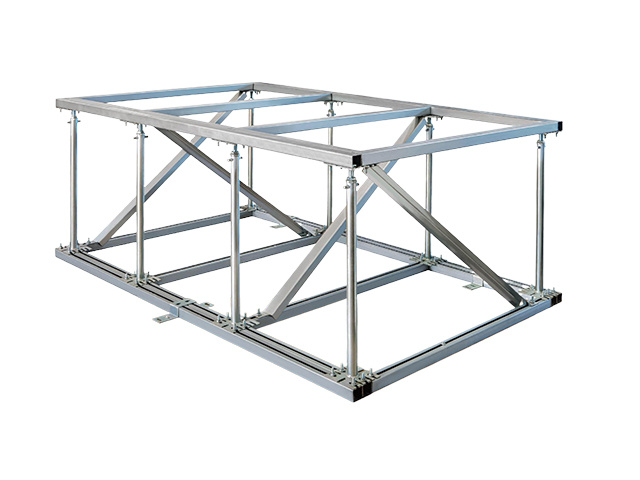
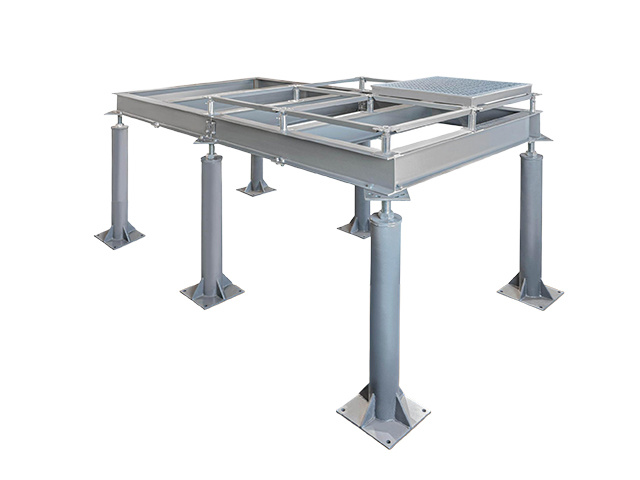
2. **Install the Support System**: Position pedestals at specified intervals as per your design and secure them to the subfloor.
3. **Lay the Panels**: Start from one corner and gradually work your way across the area, ensuring each panel fits securely onto the pedestals.
4. **Adjust for Leveling**: Utilize a leveling tool to make necessary adjustments to the height of the pedestals, ensuring the entire surface is even.
5. **Seal and Finish**: If required, apply any finishing touches and sealants to protect the panels from moisture and wear.
4. Maintenance of Raised Access Floors
To ensure longevity and performance, regular maintenance of raised access floors is essential.
4.1 Cleaning and Upkeep
A routine cleaning schedule will keep your raised access floors looking pristine. Use a vacuum to remove dust and debris from the panels. For deep cleaning, a damp mop with a mild floor cleaner can be employed. Avoid harsh chemicals that might damage the panel finishes.
4.2 Regular Inspections and Repairs
Conduct periodic inspections to identify potential issues such as panel alignment and wear. Address any loose panels promptly to prevent accidents and maintain the aesthetics of the flooring. Keep an eye on the condition of the pedestals and replace any that show signs of damage.
5. Troubleshooting Common Issues
Even with proper installation and maintenance, issues may arise. Here are solutions to some common problems:
5.1 Uneven Panels
If panels become uneven, check the pedestals for secure fittings. Adjust the height as necessary to restore balance.
5.2 Noisy Panels
Noise can result from movement between panels. Tightening the panels and ensuring they are seated correctly can mitigate this issue.
6. Case Studies: Successful Raised Access Floor Installations
To illustrate the effectiveness of raised access floors, we’ve compiled a few notable case studies:
6.1 Office Building Renovation
A recent renovation project for a downtown office building utilized raised access flooring to accommodate new electrical installations. The flexibility of the flooring allowed the space to be reconfigured without significant downtime.
6.2 Data Center Design
In a state-of-the-art data center, raised access floors were critical for managing cables and ensuring proper cooling. The installation allowed for rapid changes in the setup as technology needs evolved.
7. Conclusion
Raised access floors present an innovative solution for managing utilities and enhancing the flexibility of commercial spaces. Understanding the installation process and adhering to a regular maintenance routine ensures that these floors remain functional and visually appealing. By investing in raised access flooring, property managers and designers can create adaptable spaces that meet the demands of modern work environments.
8. Frequently Asked Questions
8.1 What is the average cost of installing raised access floors?
The cost can vary widely based on materials, labor, and area size, typically ranging from $25 to $50 per square foot.
8.2 How long does the installation process take?
Depending on the area size and complexity, installation may take anywhere from a few days to a week.
8.3 Can raised access floors be installed in existing buildings?
Yes, raised access floors can be retrofitted into existing spaces, allowing for enhanced utility management without major renovations.
8.4 What types of finishes are available for raised access floors?
Finishes can vary, including laminate, vinyl, carpet tiles, and metal, allowing customization to match the building’s design.
8.5 How do I troubleshoot sagging panels?
Sagging panels may require adjustment or replacement of the pedestals. Check for proper alignment and ensure secure fittings.
By adhering to this comprehensive guide, you can successfully implement raised access floors in your projects, ensuring longevity, functionality, and aesthetic appeal.

Contact us
Email address
Company address
Hengshanqiao Town, Wujin District, Changzhou City, Jiangsu Province