
Why Raised Access Floor Pedestals Are Essential for Modern Buildings
Why Raised Access Floor Pedestals Are Essential for Modern Buildings
Introduction to Raised Access Floor Pedestals
In today’s rapidly evolving architectural landscape, **raised access floor pedestals** are becoming increasingly crucial for modern buildings. These innovative systems provide a versatile solution that not only enhances the functionality of commercial and institutional spaces but also
2025年10月04日
Why Raised Access Floor Pedestals Are Essential for Modern Buildings
Introduction to Raised Access Floor Pedestals
In today’s rapidly evolving architectural landscape, **raised access floor pedestals** are becoming increasingly crucial for modern buildings. These innovative systems provide a versatile solution that not only enhances the functionality of commercial and institutional spaces but also supports aesthetic design elements. Understanding the mechanics and benefits of raised access floors is essential for architects, builders, and facility managers looking to optimize their building projects.
What Are Raised Access Floor Pedestals?
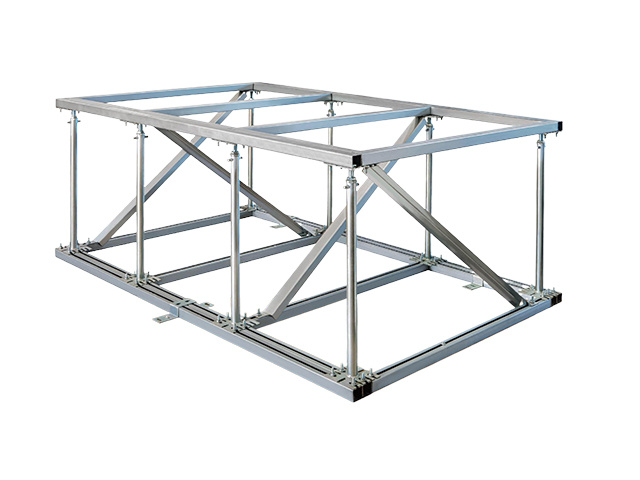
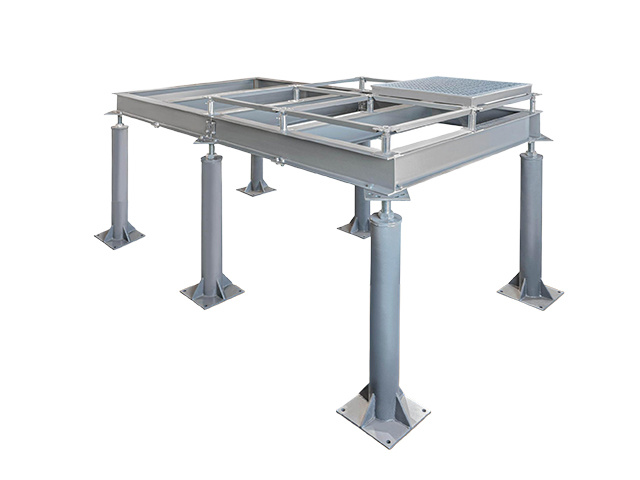
Raised access floor pedestals serve as the foundation for an elevated flooring system. This system elevates the floor above the structural subfloor, creating a plenum space that allows for the easy routing of electrical, mechanical, and data cabling. The pedestals themselves are adjustable, enabling precise leveling and accommodating various floor finishes.
The Functionality of Raised Access Floors
Raised access floors offer **significant advantages** in terms of functionality, particularly in environments that require frequent reconfiguration. This includes:
- **Efficient Cable Management**: The plenum space allows for organized and concealed wiring, reducing clutter and enhancing safety.
- **Easy Access for Maintenance**: With removable floor panels, maintenance personnel can quickly access service lines without major disruptions.
- **Flexible Space Design**: As businesses evolve, the ability to easily rearrange office layouts is critical. Raised access floors support this adaptability.
The Advantages of Using Raised Access Floor Pedestals
The implementation of raised access floor pedestals comes with a host of benefits that are pivotal for modern buildings.
1. Improved Aesthetics
One of the primary benefits of raised access floors is their ability to enhance the **aesthetic appeal** of a space. With a variety of finish options available, architects can choose materials that complement the overall design. Whether opting for polished concrete, carpet tiles, or vinyl, the raised floor can be tailored to fit the visual identity of the building.
2. Enhanced Flexibility
Flexibility is a key component in modern architecture. Raised access floor systems allow for quick modifications without extensive renovations. As business needs change, organizations can easily adapt layouts to foster collaboration or create private workspaces. This adaptability is particularly beneficial in dynamic industries where operational needs are continually shifting.
3. Efficient HVAC Systems
Incorporating raised access floors can also improve **HVAC efficiency**. The space beneath the floor can house air distribution systems, allowing for more effective and uniform heating and cooling. This leads to increased comfort for occupants and can contribute to significant energy savings.
4. Enhanced Acoustics
With the growing focus on employee wellness, acoustics play a vital role in workspace design. Raised access floors can help reduce noise levels by providing sound insulation, particularly when paired with suitable floor finishes. This creates a more conducive work environment, enhancing productivity and comfort.
5. Sustainable Building Practices
Sustainability is at the forefront of modern architecture, and raised access floor systems contribute to this goal. The ability to easily replace or upgrade components without tearing out entire floors minimizes waste. Additionally, the efficient routing of HVAC and electrical systems can lead to lower energy consumption.
Installation and Maintenance Considerations
While the benefits of raised access floor pedestals are clear, understanding the installation process and maintenance requirements is equally important.
Installation Process
The installation of raised access floors typically requires the expertise of trained professionals. Here are key steps involved in the process:
1. **Planning and Design**: Collaborate with architects and engineers to determine the layout and specifications.
2. **Preparation of the Subfloor**: Ensure that the existing subfloor is clean, dry, and level to support the pedestals.
3. **Installation of Pedestals**: Position and secure the pedestals according to the planned layout, ensuring they are level.
4. **Placement of Floor Panels**: Install the floor panels, ensuring that they fit securely and provide a flush surface.
Maintenance of Raised Access Floors
While raised access floors are designed for durability, regular maintenance is essential to ensure longevity. Maintenance practices include:
- **Inspections**: Regularly check for loose panels and ensure that the pedestals are adequately supporting the floor.
- **Cleaning**: Keep the surface clean and free from debris to maintain aesthetics and safety.
- **Access for Servicing**: Ensure that maintenance staff know how to safely and effectively access the space beneath the floor.
Common Applications of Raised Access Floor Pedestals
Raised access floor pedestals are utilized in a variety of settings, showcasing their versatility and functionality.
1. Commercial Office Spaces
In commercial environments, the need for flexible layouts and efficient cable management makes raised access floors a popular choice. They allow offices to adapt to changing technologies and work styles without significant renovations.
2. Data Centers
Data centers rely heavily on raised access floor systems for efficient cooling and cable management. The elevated floors allow for optimal airflow and easy access to critical infrastructure, ensuring that systems remain operational.
3. Educational Institutions
Schools and universities benefit from raised access floors by creating dynamic learning environments. These systems support technology integration and facilitate the changing needs of modern classrooms.
4. Healthcare Facilities
In healthcare settings, raised access floors can help accommodate complex HVAC systems while maintaining strict cleanliness standards. They also provide easy access for maintenance, which is crucial in these environments.
Challenges and Considerations
While raised access floor pedestals offer numerous advantages, they are not without challenges. It is essential to consider these factors during the planning phase.
1. Initial Costs
The upfront investment for raised access floor systems can be higher than traditional flooring options. However, the long-term benefits often outweigh these initial costs, making them an economically viable choice in the long run.
2. Compatibility with Existing Infrastructure
Before installation, it is crucial to assess how the raised access floor will integrate with existing building infrastructure. This includes evaluating ceiling height and the location of electrical and HVAC systems.
3. Load-Bearing Capacity
Understanding the load-bearing capacity of the raised access floor is vital to ensure safety and functionality. Proper planning will prevent issues related to excessive weight or inadequate support.
Future Trends in Raised Access Floor Design
As architectural demands continue to evolve, so too will the design and functionality of raised access floor systems.
1. Smart Technology Integration
The rise of smart buildings will lead to increased integration of technology within raised access floor systems. This may include sensors for monitoring temperature, humidity, and air quality, allowing for better control of the building environment.
2. Sustainable Materials
The focus on sustainability will drive innovation in materials used for raised access floors. Expect to see increased utilization of recycled and eco-friendly materials that meet stringent environmental standards.
3. Enhanced Customization
As design preferences change, manufacturers will likely offer greater customization options for raised access floors, catering to the unique needs of modern buildings and their occupants.
FAQs
1. What are the main benefits of raised access floor systems?
Raised access floor systems provide enhanced flexibility, improved aesthetics, efficient cable management, and sustainable building practices.
2. How do raised access floors impact HVAC efficiency?
By allowing for optimal air distribution and reducing the need for ductwork, raised access floors can improve HVAC system performance and energy efficiency.
3. Can raised access floors be used in residential buildings?
While primarily used in commercial settings, raised access floors can be adapted for residential applications, particularly in home offices or smart homes.
4. How do I choose the right raised access floor system for my building?
Consider factors such as the intended use of the space, load-bearing requirements, aesthetic preferences, and compatibility with existing infrastructure before making a decision.
5. What are the maintenance requirements for raised access floors?
Regular inspections, cleaning, and access for servicing are essential maintenance practices to ensure the longevity and functionality of raised access floors.
Conclusion
Raised access floor pedestals have become an essential component in the design and functionality of modern buildings. Their ability to adapt to changing needs, enhance aesthetics, and support sustainable practices makes them a valuable investment for any architectural project. As our industry continues to evolve, embracing **raised access floor systems** will not only facilitate current requirements but also pave the way for future innovations in building design. Understanding this technology equips professionals with the knowledge necessary to create spaces that are not only functional but also aligned with modern demands.

Contact us
Email address
Company address
Hengshanqiao Town, Wujin District, Changzhou City, Jiangsu Province