
Understanding Raised Access Floor Pedestals: A Key Component in Modern Building Design
Raised access floor pedestals are integral components in the construction of raised access flooring systems, which have gained immense popularity in modern building design. These pedestals serve as the supporting structures that elevate the floor surface above the building's subfloor, creating a cavity for managing various essential systems, such as electrical wiring, plumbing, and HVAC ducts. Und
2025年10月03日
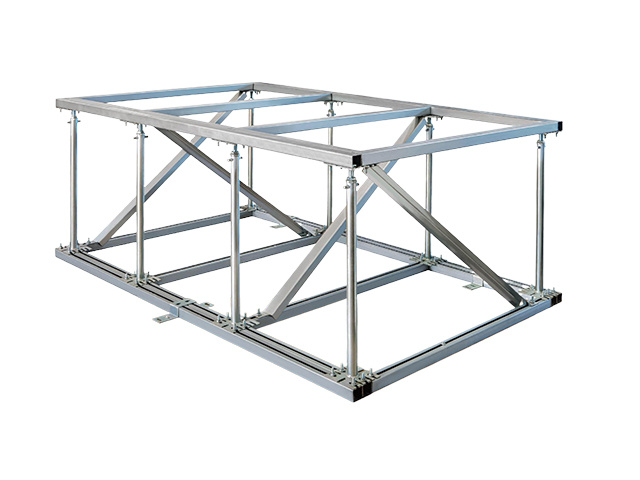
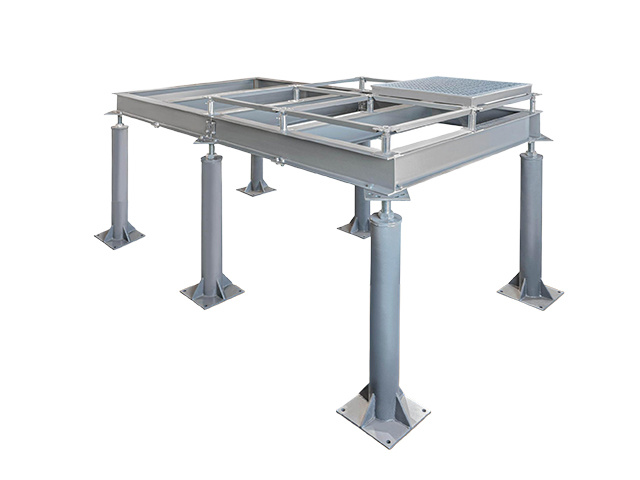
Raised access floor pedestals are integral components in the construction of raised access flooring systems, which have gained immense popularity in modern building design. These pedestals serve as the supporting structures that elevate the floor surface above the building's subfloor, creating a cavity for managing various essential systems, such as electrical wiring, plumbing, and HVAC ducts. Understanding the significance of these pedestals is crucial for professionals in the architecture and construction industries.
The primary function of raised access floor pedestals is to provide a stable and adjustable framework that supports the floor panels. Typically made from durable materials, these pedestals can be easily adjusted to accommodate different floor heights, ensuring a level and uniform surface. This adaptability is particularly beneficial in environments where building systems need to be updated or modified frequently. The ability to access the space beneath the flooring allows for efficient maintenance and upgrades, reducing the need for disruptive renovation work.
Another advantage of using raised access floor pedestals is their contribution to the overall design flexibility of a building. By creating a hidden space for infrastructure, architects can design open, spacious interiors without the visual clutter of exposed wiring and piping. This is especially important in commercial settings, where aesthetics play a vital role in creating a welcoming atmosphere for clients and employees alike. Additionally, the smooth surface of raised flooring can enhance foot traffic and improve acoustics, making it an ideal choice for offices, data centers, and other high-traffic areas.
Raised access floor systems can also lead to improved energy efficiency. By allowing for better airflow management and optimizing the placement of HVAC systems, buildings can achieve lower energy consumption rates. This can be particularly advantageous in large commercial buildings, where energy costs can be significant. Furthermore, the use of sustainable materials for raised access floor pedestals and panels can contribute to a building's overall environmental credentials, appealing to increasingly eco-conscious clients.
When selecting raised access floor pedestals, it is crucial to consider factors such as load capacity, height adjustability, and material durability. Each project may have unique requirements, and professionals should evaluate these elements to ensure optimal performance and longevity. Collaborating with manufacturers or suppliers who specialize in raised access flooring can further enhance the project's success and ensure adherence to industry standards.
In summary, raised access floor pedestals are vital in modern construction, offering flexibility, accessibility, and enhanced aesthetics while promoting energy efficiency. By understanding their role and benefits, industry professionals can make informed decisions that contribute to the overall success of their architectural endeavors.
The primary function of raised access floor pedestals is to provide a stable and adjustable framework that supports the floor panels. Typically made from durable materials, these pedestals can be easily adjusted to accommodate different floor heights, ensuring a level and uniform surface. This adaptability is particularly beneficial in environments where building systems need to be updated or modified frequently. The ability to access the space beneath the flooring allows for efficient maintenance and upgrades, reducing the need for disruptive renovation work.
Another advantage of using raised access floor pedestals is their contribution to the overall design flexibility of a building. By creating a hidden space for infrastructure, architects can design open, spacious interiors without the visual clutter of exposed wiring and piping. This is especially important in commercial settings, where aesthetics play a vital role in creating a welcoming atmosphere for clients and employees alike. Additionally, the smooth surface of raised flooring can enhance foot traffic and improve acoustics, making it an ideal choice for offices, data centers, and other high-traffic areas.
Raised access floor systems can also lead to improved energy efficiency. By allowing for better airflow management and optimizing the placement of HVAC systems, buildings can achieve lower energy consumption rates. This can be particularly advantageous in large commercial buildings, where energy costs can be significant. Furthermore, the use of sustainable materials for raised access floor pedestals and panels can contribute to a building's overall environmental credentials, appealing to increasingly eco-conscious clients.
When selecting raised access floor pedestals, it is crucial to consider factors such as load capacity, height adjustability, and material durability. Each project may have unique requirements, and professionals should evaluate these elements to ensure optimal performance and longevity. Collaborating with manufacturers or suppliers who specialize in raised access flooring can further enhance the project's success and ensure adherence to industry standards.
In summary, raised access floor pedestals are vital in modern construction, offering flexibility, accessibility, and enhanced aesthetics while promoting energy efficiency. By understanding their role and benefits, industry professionals can make informed decisions that contribute to the overall success of their architectural endeavors.

Contact us
Email address
Company address
Hengshanqiao Town, Wujin District, Changzhou City, Jiangsu Province