
Elevated Floor Tiles vs. Traditional Flooring: Which is Right for You?
Elevated Floor Tiles vs. Traditional Flooring: Which is Right for You?
Table of Contents
Understanding Elevated Floor Tiles
What Are Traditional Flooring Options?
Benefits of Elevated Floor Tiles
Benefits of Traditional Flooring
Drawbacks of Elevated Floor Tiles
Drawbacks of Traditional Flooring
Installation Comparison: Elevated vs. Traditional
Cost Analysis of Flo
2026年04月25日
Elevated Floor Tiles vs. Traditional Flooring: Which is Right for You?
Table of Contents
- Understanding Elevated Floor Tiles
- What Are Traditional Flooring Options?
- Benefits of Elevated Floor Tiles
- Benefits of Traditional Flooring
- Drawbacks of Elevated Floor Tiles
- Drawbacks of Traditional Flooring
- Installation Comparison: Elevated vs. Traditional
- Cost Analysis of Flooring Types
- Aesthetic Considerations: Style and Design
- Ideal Applications for Elevated Floor Tiles
- Ideal Applications for Traditional Flooring
- Making the Right Choice: Elevated vs. Traditional
- Frequently Asked Questions
- Conclusion
Understanding Elevated Floor Tiles
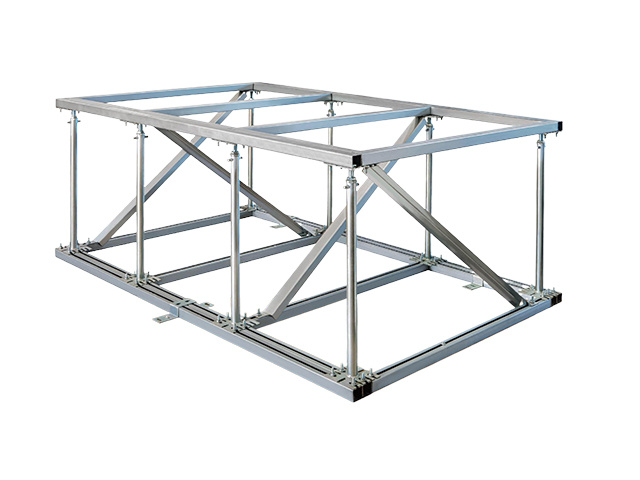
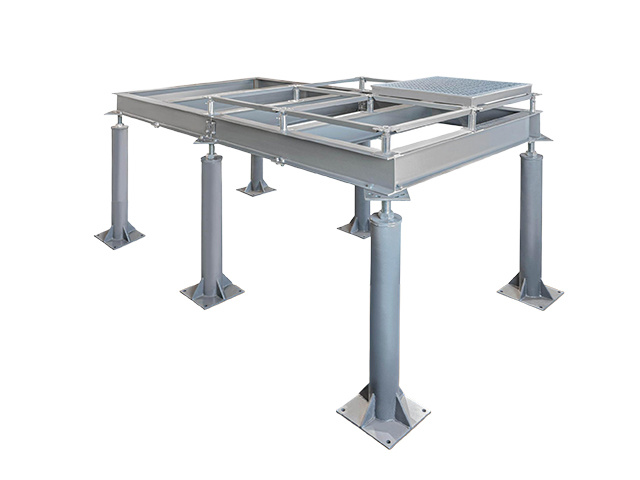
Elevated floor tiles, often referred to as raised access flooring, have gained popularity in both commercial and residential environments. Unlike traditional flooring, these tiles are installed on a pedestal system, creating a space beneath the floor for various utilities, such as electrical wiring and HVAC systems. This innovative design enables easy access for maintenance and upgrades, making elevated floor tiles a practical choice for modern buildings.
Elevated floor tiles come in various materials, including laminate, vinyl, and stone, allowing for flexibility in design and functionality. Their height can typically range from 4 inches to 48 inches above the subfloor, depending on the specific system and requirements of the building. This adaptability makes them suitable for diverse applications, from data centers to office spaces and even residential homes.
What Are Traditional Flooring Options?
Traditional flooring options encompass a wide range of materials and styles, including hardwood, laminate, tile, carpet, and vinyl. Each of these materials offers its own unique benefits and drawbacks, catering to different aesthetic preferences, functionality needs, and budget constraints.
Hardwood flooring is known for its timeless beauty and durability, while laminate offers a cost-effective alternative with a similar appearance. Tile flooring, often made of ceramic or porcelain, is popular for its water resistance and easy maintenance. Carpet provides warmth and comfort, particularly in bedrooms and living areas, while vinyl flooring is celebrated for its versatility and affordability.
Understanding these traditional flooring options is crucial for homeowners and businesses as they weigh their choices against elevated floor tiles.
Benefits of Elevated Floor Tiles
Elevated floor tiles provide numerous advantages that can enhance both functionality and aesthetics:
1. Easy Access to Utilities
The most significant benefit of elevated floor tiles is their ability to conceal and provide access to essential utilities. This feature allows for quick adjustments, replacements, and maintenance, reducing downtime in commercial environments.
2. Flexibility in Design
Elevated floor systems can be customized to accommodate changing needs. Whether a building requires new electrical outlets or modifications to HVAC systems, elevated tiles make these adjustments seamless.
3. Enhanced Airflow
The space beneath elevated flooring supports better airflow, which can improve indoor air quality and comfort, especially in data centers or tech-heavy environments.
4. Aesthetic Versatility
Available in various materials and finishes, elevated floor tiles can mimic the look of traditional flooring, allowing you to maintain a stylish appearance while enjoying the benefits of an access system.
Benefits of Traditional Flooring
Traditional flooring options have stood the test of time for a reason. Here are some key benefits they offer:
1. Aesthetic Appeal
Traditional flooring materials, such as hardwood and natural stone, provide an unrivaled aesthetic appeal. They contribute to a warm, inviting ambiance, enhancing the overall décor of any space.
2. Durability
Many traditional flooring materials are known for their durability. For instance, hardwood can last for decades with proper maintenance, while tile is resistant to scratches and stains.
3. Ease of Installation
While some traditional flooring options may require professional installation, others, like laminate and vinyl, can be installed as DIY projects, saving money and time.
4. Variety of Options
With a vast array of designs available, traditional flooring allows for a high degree of personalization in a space, making it easier to find a style that complements your existing décor.
Drawbacks of Elevated Floor Tiles
Despite their many benefits, elevated floor tiles also come with some drawbacks:
1. Higher Initial Costs
The installation of elevated floor systems can be more expensive than traditional flooring options, primarily due to the additional materials and labor involved.
2. Limited Aesthetic Choices
While there is some variety in design, elevated floor tiles may not offer the same aesthetic richness and warmth as traditional options like hardwood or stone.
3. Potential Stability Issues
In some cases, elevated floors can feel less stable underfoot, especially if not installed correctly or if the materials used are of lower quality.
Drawbacks of Traditional Flooring
Traditional flooring is not without its disadvantages:
1. Limited Access to Utilities
Once installed, traditional flooring can hinder access to essential utilities, making future changes or repairs more complicated.
2. Maintenance Requirements
Certain materials, like hardwood or carpet, require more maintenance to keep them looking their best over time. This could include refinishing hardwood or deep-cleaning carpets.
3. Vulnerability to Damage
Traditional flooring materials can be susceptible to water damage, scratches, and stains, depending on the type chosen. For example, hardwood may warp in high humidity environments while carpet can stain easily.
Installation Comparison: Elevated vs. Traditional
The installation process for elevated floor tiles differs significantly from that of traditional flooring materials.
1. Elevated Floor Installation
Installing elevated floors requires a specialized set of skills and materials. The process typically involves constructing a grid of pedestals, placing the tiles on top, and securing them. This process can be time-consuming and may require professional assistance, especially for larger spaces.
2. Traditional Flooring Installation
Traditional flooring installation varies widely based on the material. Hardwood and tiles often require a subfloor, while laminate and vinyl can be installed directly over an existing floor. Some materials, like carpet, may even be laid down as DIY projects, making them more accessible for homeowners.
Cost Analysis of Flooring Types
When deciding between elevated floor tiles and traditional flooring, it’s essential to consider the overall costs involved.
1. Elevated Floor Tiles Cost
Elevated floors typically incur higher upfront costs, ranging from $6 to $15 per square foot, depending on the material and system used. Additional costs may include installation and maintenance, which can add to the overall expenditure.
2. Traditional Flooring Cost
Traditional flooring costs can vary widely based on the material. For example, hardwood may range from $8 to $16 per square foot, while laminate can be as low as $1 to $5 per square foot. Tile and carpet have their costs as well, but many options offer lower initial investments than elevated floors.
Aesthetic Considerations: Style and Design
Aesthetics play a crucial role in flooring decisions.
1. Elevated Floor Tile Aesthetics
Elevated floor tiles can replicate the aesthetics of traditional materials, but they may lack the same warmth and texture. They are available in various finishes, but businesses often prioritize functionality over style.
2. Traditional Flooring Aesthetics
Traditional flooring materials, especially hardwood and natural stone, offer a timeless elegance that can enhance the beauty of any room. Their versatile designs allow homeowners to create personalized styles that resonate with their preferences.
Ideal Applications for Elevated Floor Tiles
Elevated floor tiles are particularly well-suited for specific environments, including:
1. Data Centers
In data centers, elevated flooring systems facilitate efficient airflow and easy access to cables and wires, making them ideal for maintaining technology infrastructure.
2. Commercial Office Spaces
The flexibility and accessibility of elevated floors make them popular in modern office designs, where utility changes and upgrades are common.
3. Laboratories and Clean Rooms
In laboratories, maintaining a clean environment is crucial. Elevated floors allow for easy cleaning and access to essential utilities without disturbing the overall setup.
Ideal Applications for Traditional Flooring
Traditional flooring remains relevant in various settings, including:
1. Residential Homes
For homes, traditional flooring options such as hardwood and carpet provide comfort, warmth, and aesthetic appeal, making them suitable for living rooms, bedrooms, and dining areas.
2. Retail Spaces
In retail environments, the choice of flooring can significantly affect customer perceptions. Traditional materials like tile or hardwood can create an inviting atmosphere that encourages purchases.
3. Hospitality Venues
Hotels and restaurants often use traditional flooring to create an upscale ambiance. Hardwood and stone options can elevate the design and guest experience.
Making the Right Choice: Elevated vs. Traditional
Choosing between elevated floor tiles and traditional flooring requires assessing your specific needs, preferences, and budget.
Consider the following factors:
- **Functionality**: If easy access to utilities is a priority, elevated floor tiles may be the best choice.
- **Aesthetics**: For a warm, inviting look, traditional flooring options are often more appealing.
- **Budget**: Analyze your budget for installation and long-term maintenance to ensure you choose an option that fits your financial plan.
Ultimately, the right flooring choice will depend on the unique requirements of your space and personal preferences.
Frequently Asked Questions
1. Are elevated floor tiles suitable for residential use?
Yes, elevated floor tiles can be used in residential settings, especially in areas requiring access to utilities or in modern designs that prioritize flexibility.
2. How do I maintain elevated floor tiles?
Maintenance involves regular cleaning and inspections to ensure that the tiles and the underlying systems remain functional and in good condition.
3. What is the average lifespan of traditional flooring?
The lifespan varies by material; for instance, hardwood can last up to 100 years with proper care, while laminate typically has a lifespan of 10-25 years.
4. Can I install traditional flooring myself?
Yes, many traditional flooring options, such as laminate and vinyl, can be installed as DIY projects, while others may require professional installation.
5. How do I decide between elevated floor tiles and traditional flooring?
Assess your needs in terms of functionality, aesthetics, budget, and the specific environment where the flooring will be installed to make the best choice.
Conclusion
When it comes to choosing between elevated floor tiles and traditional flooring, understanding the unique benefits and drawbacks of each option is crucial for making an informed decision. Elevated floor tiles offer flexibility, easy access to utilities, and modern design possibilities, while traditional flooring options provide timeless beauty, durability, and warmth.
By carefully considering your space's needs, budget, and aesthetic preferences, you can select the flooring type that best suits your requirements. Ultimately, both elevated floor tiles and traditional flooring have their place in modern architecture and design, making it essential to choose the right one for your specific situation.

Contact us
Email address
Company address
Hengshanqiao Town, Wujin District, Changzhou City, Jiangsu Province