
Understanding Data Center Raised Floors: Essential Insights for Your Construction Projects
2026年04月20日
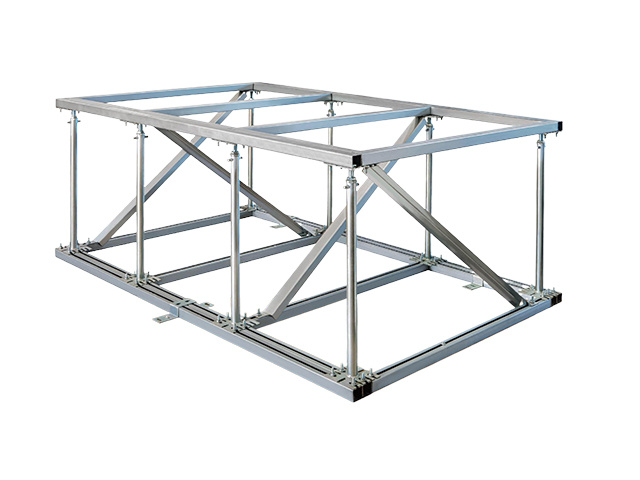
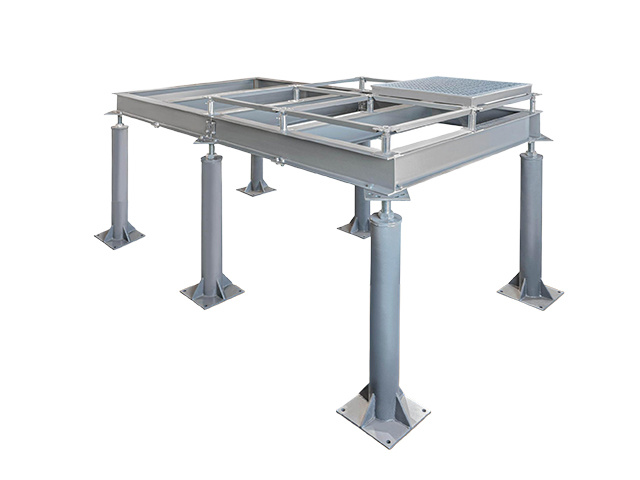
In today’s digital age, the demand for efficient data management is higher than ever, and data center raised floors play a crucial role in achieving this. A raised floor system consists of a grid of elevated flooring panels, allowing for the creation of a space between the original floor and the new surface. This space serves multiple purposes, particularly in environments such as data centers where efficient management of cabling, cooling, and air circulation is essential.
One of the primary advantages of data center raised floors is their ability to facilitate effective airflow. The space beneath the raised floor can be strategically utilized to house air conditioning ducts and cooling systems. This design promotes optimal temperature management, helping to prevent overheating of servers and other critical equipment. By allowing cool air to flow through the floor and circulate around the hardware, raised floors can significantly improve cooling efficiency.
Moreover, the raised floor system provides an organized solution for cabling management. In data centers, the number of cables required to connect servers and networking equipment can be overwhelming. A raised floor creates a designated area for routing these cables, reducing clutter and simplifying maintenance. This organized layout not only enhances the aesthetic appeal of the data center but also contributes to safety by minimizing tripping hazards associated with loose cables.
Installation and adaptability are key considerations when implementing a data center raised floor. These systems can be customized to accommodate various equipment heights and configurations. Whether you are expanding an existing facility or constructing a new one, raised floors offer flexibility that can adapt to your evolving technological needs. Additionally, the ease of access to the underfloor space allows for quick upgrades and modifications, ensuring the infrastructure can keep pace with advancements in technology.
It's important to note that when selecting materials for raised flooring, considerations such as load capacity, fire resistance, and durability come into play. The right choice can enhance the longevity of the flooring system while ensuring it meets the operational demands of a busy data center.
In conclusion, data center raised floors represent a vital component in the construction of modern data centers. By promoting efficient airflow, facilitating cable management, and offering adaptability, these flooring solutions contribute significantly to the overall operational efficiency of data management facilities. As you embark on your construction and decoration projects, understanding the role of raised floors can provide you with the practical knowledge needed to create effective and sustainable environments.

Contact us
Email address
Company address
Hengshanqiao Town, Wujin District, Changzhou City, Jiangsu Province