
Understanding Raised Access Floor Pedestals: Key Considerations for Your Construction Projects
Raised access floor pedestals play a critical role in modern building design, particularly in commercial and industrial environments. These pedestals form the foundation of raised access flooring systems, which are designed to create a versatile underfloor space for the management of electrical and mechanical services. Understanding their features, installation methods, and applications can greatl
2026年01月11日
Raised access floor pedestals play a critical role in modern building design, particularly in commercial and industrial environments. These pedestals form the foundation of raised access flooring systems, which are designed to create a versatile underfloor space for the management of electrical and mechanical services. Understanding their features, installation methods, and applications can greatly enhance the efficiency and functionality of your projects.
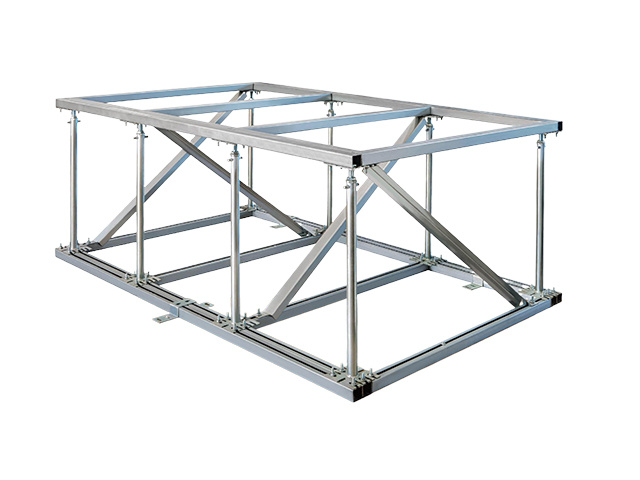
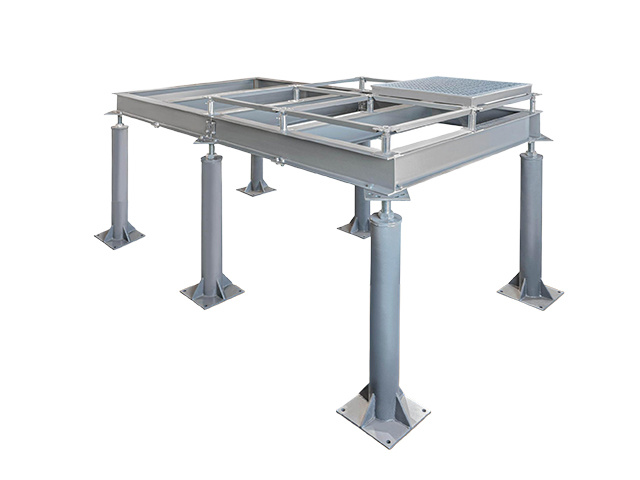
The primary function of raised access floor pedestals is to support the floor panels while allowing for a customizable space beneath them. This underfloor cavity can accommodate various services, such as electrical wiring, plumbing, and HVAC systems. By elevating the floor, these pedestals enable easy access for maintenance and upgrades, without disrupting the aesthetic or operational aspects of the space.
One important aspect to consider when selecting raised access floor pedestals is the material of the pedestals themselves. They are commonly constructed from steel, aluminum, or composite materials, each offering different strengths, weights, and resistance to environmental factors. For instance, steel pedestals are known for their durability and load-bearing capacity, making them suitable for high-traffic areas, while aluminum pedestals provide a lighter option with good corrosion resistance.
Installation of raised access floor pedestals requires careful planning and precision. The pedestals must be spaced appropriately to ensure even weight distribution and stability of the floor panels. This often involves a detailed layout and may require the input of structural engineers to assess the load requirements based on the intended use of the space. Adequate leveling is crucial during installation to prevent any movement or shifting once the flooring is in place.
In addition to functionality, aesthetic considerations should also be taken into account. Raised access flooring can be finished with various materials, including carpet, vinyl, or tiles, allowing for flexibility in design while maintaining the necessary accessibility. This versatility makes raised access flooring an ideal choice for diverse settings, from offices and data centers to auditoriums and retail spaces.
In summary, raised access floor pedestals are a vital component in the modern architectural landscape, providing solutions for managing essential services while enhancing design flexibility. By understanding their features, installation practices, and applications, professionals in the construction and decoration materials industry can make informed decisions that lead to successful outcomes in their projects. Investing in quality pedestals not only improves the functionality of the space but also contributes to its overall aesthetic appeal, ensuring that it meets the demands of both present and future needs.
The primary function of raised access floor pedestals is to support the floor panels while allowing for a customizable space beneath them. This underfloor cavity can accommodate various services, such as electrical wiring, plumbing, and HVAC systems. By elevating the floor, these pedestals enable easy access for maintenance and upgrades, without disrupting the aesthetic or operational aspects of the space.
One important aspect to consider when selecting raised access floor pedestals is the material of the pedestals themselves. They are commonly constructed from steel, aluminum, or composite materials, each offering different strengths, weights, and resistance to environmental factors. For instance, steel pedestals are known for their durability and load-bearing capacity, making them suitable for high-traffic areas, while aluminum pedestals provide a lighter option with good corrosion resistance.
Installation of raised access floor pedestals requires careful planning and precision. The pedestals must be spaced appropriately to ensure even weight distribution and stability of the floor panels. This often involves a detailed layout and may require the input of structural engineers to assess the load requirements based on the intended use of the space. Adequate leveling is crucial during installation to prevent any movement or shifting once the flooring is in place.
In addition to functionality, aesthetic considerations should also be taken into account. Raised access flooring can be finished with various materials, including carpet, vinyl, or tiles, allowing for flexibility in design while maintaining the necessary accessibility. This versatility makes raised access flooring an ideal choice for diverse settings, from offices and data centers to auditoriums and retail spaces.
In summary, raised access floor pedestals are a vital component in the modern architectural landscape, providing solutions for managing essential services while enhancing design flexibility. By understanding their features, installation practices, and applications, professionals in the construction and decoration materials industry can make informed decisions that lead to successful outcomes in their projects. Investing in quality pedestals not only improves the functionality of the space but also contributes to its overall aesthetic appeal, ensuring that it meets the demands of both present and future needs.

Contact us
Email address
Company address
Hengshanqiao Town, Wujin District, Changzhou City, Jiangsu Province