
Raised Access Floors vs. Traditional Flooring: Which is Right for You?
Raised Access Floors vs. Traditional Flooring: Which is Right for You?
Table of Contents
1. Understanding Raised Access Floors
2. What are Traditional Flooring Options?
3. Key Differences Between Raised Access Floors and Traditional Flooring
3.1 Design Flexibility
3.2 Installation Process
3.3 Maintenance Requirements
3.4 Cost Analysis
4. Benefits of Raised Access Floors
4.1 Enhan
2025年12月13日
Raised Access Floors vs. Traditional Flooring: Which is Right for You?
Table of Contents
1. Understanding Raised Access Floors
2. What are Traditional Flooring Options?
3. Key Differences Between Raised Access Floors and Traditional Flooring
3.1 Design Flexibility
3.2 Installation Process
3.3 Maintenance Requirements
3.4 Cost Analysis
4. Benefits of Raised Access Floors
4.1 Enhanced Aesthetics
4.2 Improved Airflow and Ventilation
4.3 Easy Access to Utilities
5. Pros and Cons of Traditional Flooring
5.1 Durability and Longevity
5.2 Versatile Design Options
5.3 Potential Limitations
6. Which Flooring Solution is Right for Your Space?
6.1 Considerations for Commercial Spaces
6.2 Ideal Scenarios for Residential Applications
7. Frequently Asked Questions (FAQs)
8. Conclusion
1. Understanding Raised Access Floors
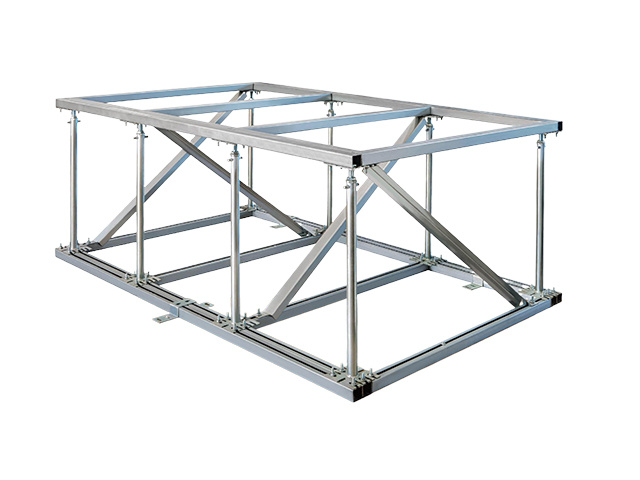
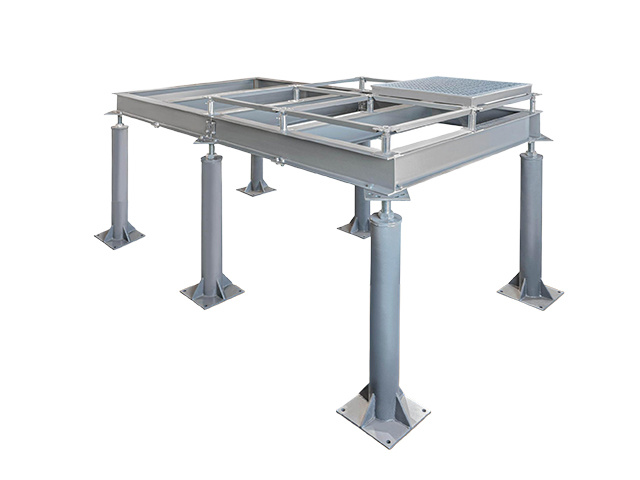
Raised access floors consist of a system where floor panels are elevated above the subfloor, creating a void for the routing of electrical wiring, HVAC systems, and other utilities. This flooring solution is increasingly popular in modern office environments, data centers, and educational institutions due to its flexibility and functionality. Typically installed with modular panels, raised access floors allow for easy reconfiguration, making them ideal for dynamic workspaces.
2. What are Traditional Flooring Options?
Traditional flooring encompasses a range of materials including hardwood, laminate, tile, carpet, and vinyl. These flooring types have been the standard for many years and boast durability and aesthetic appeal. Traditional flooring can be solid or engineered, and each type has its unique characteristics, making it crucial to choose the right one based on specific needs and preferences.
3. Key Differences Between Raised Access Floors and Traditional Flooring
3.1 Design Flexibility
Raised access floors present a distinct advantage in design flexibility, allowing users to easily change the layout of office space without extensive renovations. In contrast, traditional flooring often requires more substantial modifications, especially when changing electrical layouts or HVAC systems.
3.2 Installation Process
The installation of raised access floors can be more complex, requiring a professional team to ensure the system is level and secure. Conversely, traditional flooring options can often be DIY projects, particularly with materials like laminate and vinyl. However, professional installation is recommended for hardwood and tile for optimal results.
3.3 Maintenance Requirements
Raised access floors are generally easier to maintain, as they provide immediate access to utilities for repairs or upgrades. Traditional flooring may require specific cleaning methods and regular maintenance to preserve its appearance and longevity.
3.4 Cost Analysis
When considering costs, raised access floors may have higher initial installation expenses due to the complexity of the system. However, they can save money in the long run by reducing downtime during renovations or repairs. Traditional flooring may have lower upfront costs but can incur higher long-term maintenance and installation costs if changes are needed.
4. Benefits of Raised Access Floors
4.1 Enhanced Aesthetics
Raised access floors offer a modern aesthetic, allowing for a clean, uncluttered look as cables and utilities are hidden beneath the panels. This design is particularly appealing in contemporary office spaces.
4.2 Improved Airflow and Ventilation
The void between the raised floor and subfloor enhances airflow, making it easier to maintain optimal temperatures and air quality in the space. This factor is critical for environments such as data centers where temperature control is essential.
4.3 Easy Access to Utilities
The accessibility of utilities beneath raised access floors simplifies maintenance and upgrades, allowing for swift changes in technology and layout without extensive disruptions to the workspace.
5. Pros and Cons of Traditional Flooring
5.1 Durability and Longevity
Traditional flooring options like hardwood and tile are known for their durability and longevity. They can withstand significant wear and tear when installed correctly, making them a reliable choice for high-traffic areas.
5.2 Versatile Design Options
With a wide range of materials and styles, traditional flooring provides versatile design choices that can fit into virtually any aesthetic, from rustic to modern.
5.3 Potential Limitations
One limitation of traditional flooring is the difficulty in making changes once installed. Modifications to electrical layouts or HVAC systems often require invasive alterations, which can be time-consuming and costly.
6. Which Flooring Solution is Right for Your Space?
6.1 Considerations for Commercial Spaces
For commercial environments that require flexibility, raised access floors are often the better choice. The ability to quickly adapt to changing needs can enhance productivity and functionality.
6.2 Ideal Scenarios for Residential Applications
In residential applications, traditional flooring options can add warmth and character to a home. However, if a homeowner desires a modern, tech-friendly environment, raised access floors can still be a suitable choice, especially in multifunctional spaces like home offices or entertainment rooms.
7. Frequently Asked Questions (FAQs)
What are the cost differences between raised access floors and traditional flooring?
Raised access floors generally have higher upfront costs due to installation complexity, while traditional flooring options can vary widely in price depending on materials.
Can I install raised access floors myself?
While some minor systems may be DIY-friendly, it is advisable to hire professionals for raised access floor installations to ensure safety and compliance with building codes.
How do maintenance needs differ between raised access floors and traditional flooring?
Raised access floors require less ongoing maintenance since access to utilities is straightforward. Traditional floors may need specialized cleaning products and techniques to maintain appearance and integrity.
In what scenarios are raised access floors not recommended?
Raised access floors may not be suitable for spaces with very low ceilings or for homes that do not require flexible layouts or frequent changes in utility access.
Can traditional flooring accommodate future technological changes?
Traditional flooring options generally require more invasive renovations to accommodate new technologies compared to raised access floors, which are designed to support easy updates.
8. Conclusion
Choosing between raised access floors and traditional flooring solutions requires a thorough understanding of your specific needs, the functionality of each flooring type, and the long-term implications of your decision. Raised access floors offer unparalleled flexibility and ease of access to utilities, making them ideal for dynamic commercial environments. On the other hand, traditional flooring provides durability and aesthetic appeal, suitable for various residential applications. Ultimately, the right choice lies in evaluating your unique situation, preferences, and requirements to ensure you select the flooring solution that best meets your needs.

Contact us
Email address
Company address
Hengshanqiao Town, Wujin District, Changzhou City, Jiangsu Province