
Understanding Elevated Floor Systems: A Comprehensive Guide for Building Professionals
2025年12月16日
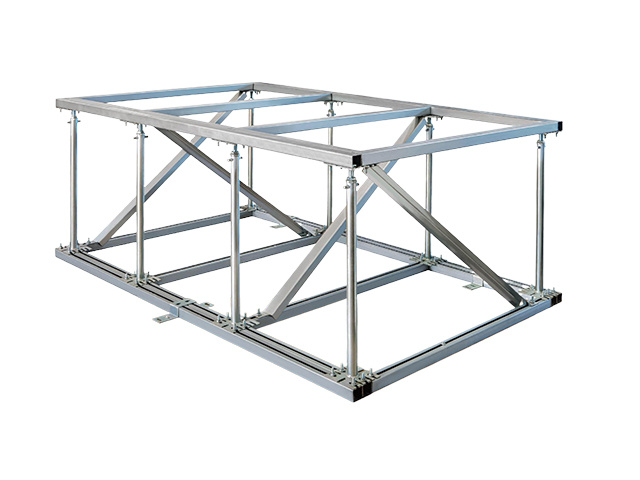
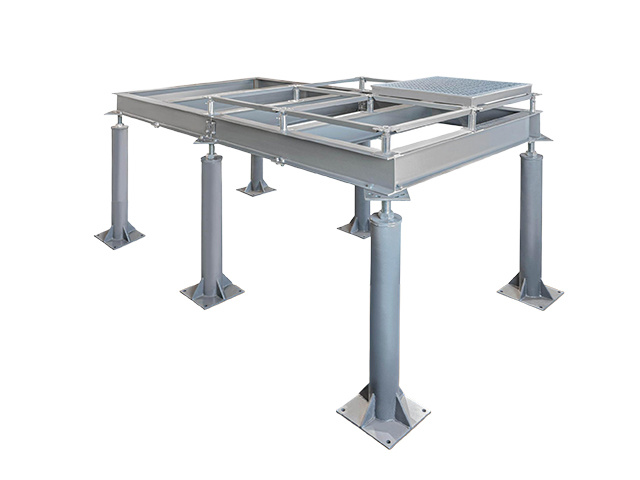
Elevated floor systems, often referred to as raised flooring or access flooring, are increasingly popular in modern architectural design, particularly in commercial spaces such as offices, data centers, and laboratories. These systems consist of a series of modular panels supported by pedestals that create an air gap above the building's structural floor. This gap not only facilitates easy access to electrical and mechanical systems but also allows for enhanced flexibility in the design and arrangement of spaces.
One of the primary advantages of elevated floor systems is their ability to accommodate a variety of building services and utilities without compromising the aesthetic appeal of the interior space. The empty space beneath the panels can house electrical wiring, plumbing, and HVAC systems, making it an ideal solution for environments that require frequent modifications or upgrades. This is particularly beneficial in fast-paced industries where technology evolves rapidly, allowing for seamless adjustments without extensive construction work.
In addition to practical benefits, elevated floor systems contribute to improved air circulation and temperature control within a building. The design allows for better distribution of conditioned air, which can enhance occupant comfort and reduce energy consumption. Moreover, the raised floor can serve as an acoustic barrier, minimizing noise transmission between different layers of the building.
When considering an elevated floor system, it's essential to evaluate the specific requirements of the space. Factors such as load-bearing capacity, panel materials, and finishes should be carefully selected based on the intended use of the area. For instance, areas with heavy equipment may require more robust panels, while spaces designated for aesthetic appeal might prioritize finishes that blend with overall interior design.
Another important consideration is the installation process. Professional installation is crucial to ensure that the system is both functional and compliant with local building codes. Adequate planning and execution can prevent future issues related to stability and accessibility.
While elevated floor systems offer numerous benefits, they are not without challenges. Potential drawbacks include higher initial costs and the need for periodic maintenance to ensure long-term durability. However, the investment often pays off in terms of flexibility and efficiency over the lifespan of the building.
In conclusion, elevated floor systems represent a versatile solution for modern construction and design challenges. By understanding their benefits and applications, building professionals can make informed decisions that enhance the functionality and aesthetics of their projects. Whether used in commercial spaces or specialized environments, elevated floor systems are an innovative option worth considering for any forward-thinking architect or builder.

Contact us
Email address
Company address
Hengshanqiao Town, Wujin District, Changzhou City, Jiangsu Province