
Discover the Transformative Benefits of Elevated Floor Tiles for Your Spaces
2025年09月28日
Discover the Transformative Benefits of Elevated Floor Tiles for Your Spaces
Elevated floor tiles have become a popular choice in contemporary architecture and design, providing flexible solutions for a variety of environments. In this article, we delve into the numerous advantages of elevated floor tiles, including their applications, installation techniques, and benefits in modern construction. Join us as we uncover how these innovative flooring options can enhance both aesthetics and functionality in commercial and residential spaces alike.
Table of Contents
- What Are Elevated Floor Tiles?
- Advantages of Elevated Floor Tiles
- Applications of Elevated Floor Tiles
- Installation Process
- Maintenance Tips for Elevated Floor Tiles
- Frequently Asked Questions
- Conclusion
What Are Elevated Floor Tiles?
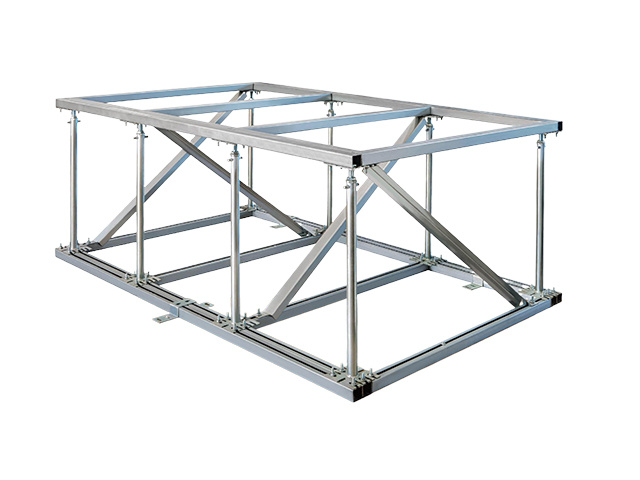
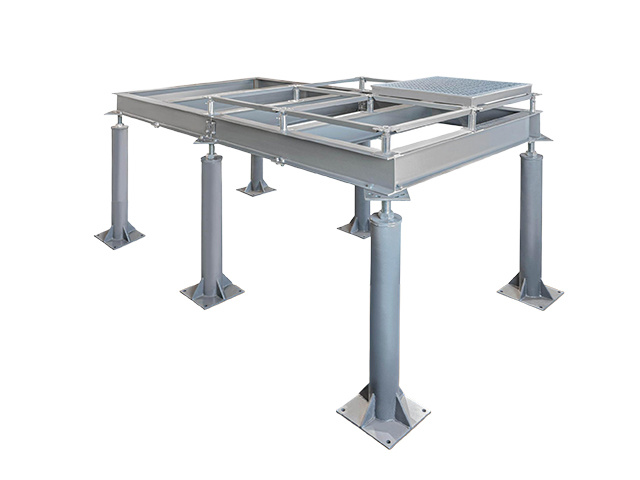
Elevated floor tiles, often referred to as raised access floors, consist of a series of panels elevated above a subfloor. This design creates a space that can accommodate electrical wiring, plumbing, and HVAC systems while maintaining an attractive flooring surface. These tiles are commonly constructed from materials like steel, wood, or high-pressure laminate, offering durability and versatility for various applications.
Advantages of Elevated Floor Tiles
Aesthetic Appeal
One of the most compelling benefits of elevated floor tiles is their capacity to enhance the aesthetic appeal of a space. With a diverse range of colors, patterns, and textures available, designers can create visually stunning environments that reflect a brand's identity or personal taste. Elevated floors can seamlessly integrate into modern, minimalist, or traditional designs, making them a versatile choice for any interior.
Functional Benefits
Elevated floor tiles provide numerous functional advantages that make them ideal for various environments. The raised design facilitates easy access to utilities beneath the floor, allowing for quick modifications and upgrades. This adaptability is particularly beneficial in commercial settings, where changing technology and infrastructure needs are commonplace. Furthermore, the space underneath can be utilized for air circulation, which helps improve indoor air quality and thermal comfort.
Sustainability and Eco-Friendliness
In today's eco-conscious world, sustainability is a crucial consideration in building materials. Elevated floor tiles can be made from recycled materials and are often designed for longevity, reducing the need for frequent replacements. Their capacity for efficient space utilization also leads to energy savings in heating and cooling costs, making them a sustainable choice for environmentally responsible construction.
Applications of Elevated Floor Tiles
Commercial Spaces
Elevated floor tiles are predominantly used in commercial spaces such as offices, data centers, and retail environments. They offer a flexible solution for accommodating ever-changing technology needs, including wiring, cabling, and HVAC systems. In office settings, the aesthetic and functional flexibility of elevated floors allows organizations to create collaborative workspaces that promote productivity.
Residential Areas
While elevated floor tiles are often associated with commercial applications, they are increasingly being used in residential settings. Homeowners can benefit from the added convenience of hidden utilities, particularly in basements or multi-story homes. Additionally, elevated floors can help mitigate issues related to moisture and flooding, providing a safer and more comfortable living environment.
Installation Process
Preparation for Installation
Before installing elevated floor tiles, careful preparation is essential for ensuring a successful outcome. This process begins with assessing the subfloor's condition and determining the layout based on the intended use of the space. It is also crucial to plan for the placement of utilities and any necessary modifications to existing systems.
Installation Steps
The installation of elevated floor tiles involves several key steps:
- Subfloor Preparation: Ensure the subfloor is clean, dry, and level to prevent future complications.
- Grid Layout: Install a grid system based on the predetermined layout, ensuring that support pedestals are positioned correctly.
- Tile Placement: Carefully place each tile into the grid, ensuring a snug fit and proper alignment.
- Finishing Touches: Add finishing trims and examine the installation for any adjustments needed for aesthetics and functionality.
Maintenance Tips for Elevated Floor Tiles
Maintaining elevated floor tiles is relatively straightforward, but regular care is essential for longevity and performance. Here are some tips to keep your elevated floors in pristine condition:
- Regular Cleaning: Dust and debris can accumulate between tiles. Regular sweeping and periodic mopping will help maintain cleanliness.
- Inspection: Routinely inspect tiles and the space beneath for any signs of wear or damage. Address issues promptly to prevent more significant problems.
- Humidity Control: Maintaining optimal humidity levels in the environment will help prevent warping or damage to the tiles.
Frequently Asked Questions
1. What types of materials are used for elevated floor tiles?
Elevated floor tiles can be made from various materials, including steel, wood, and high-pressure laminates, each offering unique advantages in terms of durability and aesthetics.
2. How do elevated floor tiles contribute to energy efficiency?
The space created by elevated floor tiles allows for better air circulation and access to HVAC systems, which can improve overall energy efficiency and reduce heating and cooling costs.
3. Can elevated floor tiles be installed over existing flooring?
Yes, elevated floor tiles can often be installed over existing flooring, provided the subfloor is stable and level. However, a professional assessment is recommended to ensure proper installation.
4. Are elevated floor tiles suitable for all types of buildings?
While they are commonly used in commercial settings, elevated floor tiles can also be effectively used in residential spaces, particularly in basements or areas prone to flooding.
5. What is the average lifespan of elevated floor tiles?
With proper care and maintenance, elevated floor tiles can last for several decades, making them a long-term investment for both commercial and residential properties.
Conclusion
Elevated floor tiles offer a range of benefits that make them a compelling choice for modern architectural and design needs. From their aesthetic appeal and functional advantages to their sustainability features, elevated floors can transform both commercial and residential spaces. As we continue to prioritize efficiency and flexibility in our environments, incorporating elevated floor tiles into design projects is not just a trend, but a strategic decision that pays off in the long run. Whether you're renovating an office space or creating a comfortable home environment, exploring the advantages of elevated floor tiles could be the key to achieving your design goals.

Contact us
Email address
Company address
Hengshanqiao Town, Wujin District, Changzhou City, Jiangsu Province