
Understanding Elevated Floor Tiles: Benefits and Applications in Modern Architecture
Elevated floor tiles, also known as raised access flooring, provide a unique solution for managing the complex needs of modern buildings. Typically consisting of a grid of tiles raised above the subfloor, they create an accessible plenum space that can accommodate electrical wiring, plumbing, and HVAC systems. This design not only simplifies infrastructure management but also offers flexibility fo
2025年09月27日
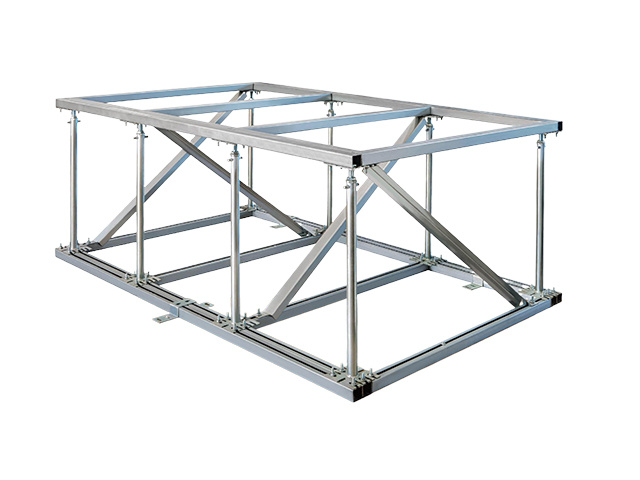
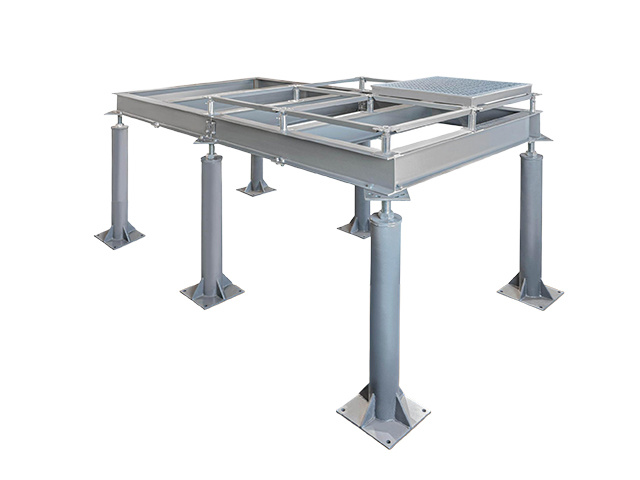
Elevated floor tiles, also known as raised access flooring, provide a unique solution for managing the complex needs of modern buildings. Typically consisting of a grid of tiles raised above the subfloor, they create an accessible plenum space that can accommodate electrical wiring, plumbing, and HVAC systems. This design not only simplifies infrastructure management but also offers flexibility for future modifications.
One of the primary benefits of elevated floor tiles is their ability to facilitate easy access to underlying systems. In environments such as data centers, offices, and industrial spaces, quick access to cables and utilities can significantly reduce downtime during maintenance or upgrades. This feature is especially beneficial in rapidly evolving industries where technology updates and changes are frequent.
In addition to practicality, elevated floor tiles contribute to improved air circulation and temperature control. The space beneath the tiles allows for efficient airflow, which can be critical in maintaining optimal conditions in climate-sensitive environments like server rooms. By promoting better ventilation, elevated floor systems can enhance the overall energy efficiency of a building, leading to lower operational costs.
From an aesthetic standpoint, elevated floor tiles offer a wide range of design possibilities. They come in various materials, colors, and finishes, allowing architects and designers to customize spaces to align with their vision. Whether aiming for a sleek, modern look or a more traditional feel, elevated floor tiles can be tailored to meet specific design requirements, ensuring that functionality does not come at the expense of style.
Moreover, the installation of elevated floor tiles can lead to a reduction in noise levels within a space. The sound-dampening properties of many tiles, combined with the air gap created by the raised flooring, help to minimize sound transmission, making them ideal for environments such as offices and conference rooms where quiet is essential.
Sustainability is another key consideration in modern construction, and elevated floor tiles can contribute to green building initiatives. Many manufacturers create tiles from recycled materials or use processes that reduce environmental impact. By choosing elevated flooring systems, architects can align their projects with sustainability goals, creating spaces that are not only functional and beautiful but also environmentally responsible.
In conclusion, elevated floor tiles represent a sophisticated solution that merges functionality, aesthetics, and sustainability in modern architecture. Their versatility makes them applicable in a wide range of settings, from corporate offices to high-tech facilities. By understanding the benefits and applications of elevated floor tiles, professionals in the building and decorative materials industry can make informed decisions that enhance their projects and meet the needs of their clients.
One of the primary benefits of elevated floor tiles is their ability to facilitate easy access to underlying systems. In environments such as data centers, offices, and industrial spaces, quick access to cables and utilities can significantly reduce downtime during maintenance or upgrades. This feature is especially beneficial in rapidly evolving industries where technology updates and changes are frequent.
In addition to practicality, elevated floor tiles contribute to improved air circulation and temperature control. The space beneath the tiles allows for efficient airflow, which can be critical in maintaining optimal conditions in climate-sensitive environments like server rooms. By promoting better ventilation, elevated floor systems can enhance the overall energy efficiency of a building, leading to lower operational costs.
From an aesthetic standpoint, elevated floor tiles offer a wide range of design possibilities. They come in various materials, colors, and finishes, allowing architects and designers to customize spaces to align with their vision. Whether aiming for a sleek, modern look or a more traditional feel, elevated floor tiles can be tailored to meet specific design requirements, ensuring that functionality does not come at the expense of style.
Moreover, the installation of elevated floor tiles can lead to a reduction in noise levels within a space. The sound-dampening properties of many tiles, combined with the air gap created by the raised flooring, help to minimize sound transmission, making them ideal for environments such as offices and conference rooms where quiet is essential.
Sustainability is another key consideration in modern construction, and elevated floor tiles can contribute to green building initiatives. Many manufacturers create tiles from recycled materials or use processes that reduce environmental impact. By choosing elevated flooring systems, architects can align their projects with sustainability goals, creating spaces that are not only functional and beautiful but also environmentally responsible.
In conclusion, elevated floor tiles represent a sophisticated solution that merges functionality, aesthetics, and sustainability in modern architecture. Their versatility makes them applicable in a wide range of settings, from corporate offices to high-tech facilities. By understanding the benefits and applications of elevated floor tiles, professionals in the building and decorative materials industry can make informed decisions that enhance their projects and meet the needs of their clients.

Contact us
Email address
Company address
Hengshanqiao Town, Wujin District, Changzhou City, Jiangsu Province