
Understanding Raised Access Flooring: A Versatile Solution for Modern Spaces
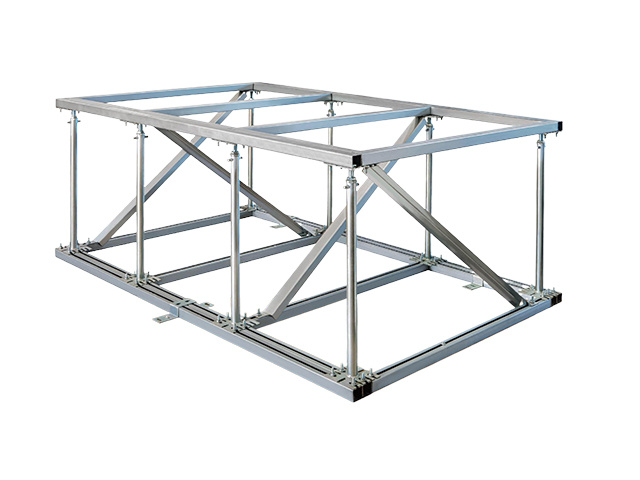
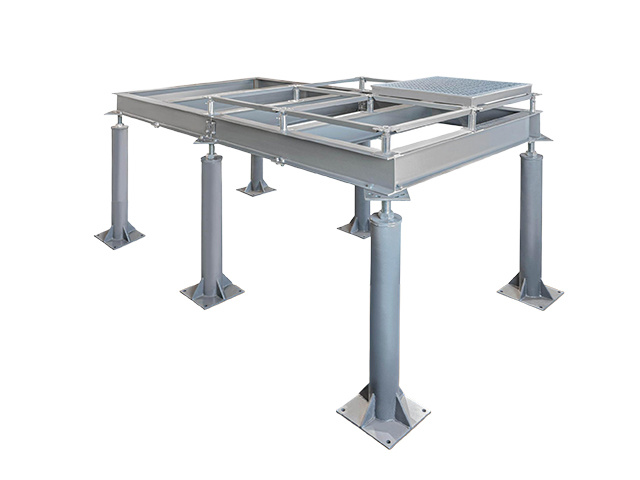
Raised access flooring is an innovative flooring solution that elevates the floor surface above the building's structural slab, creating a cavity for the routing of electrical, data, and mechanical systems. This type of flooring has become increasingly popular in commercial, institutional, and industrial settings due to its practicality and versatility.
One of the primary benefits of raised access
2026年07月09日
Raised access flooring is an innovative flooring solution that elevates the floor surface above the building's structural slab, creating a cavity for the routing of electrical, data, and mechanical systems. This type of flooring has become increasingly popular in commercial, institutional, and industrial settings due to its practicality and versatility.
One of the primary benefits of raised access flooring is its ability to facilitate easy access to the underlying systems. In office environments, for instance, this allows for simplified changes in layout or technology without the need for extensive renovations. As companies evolve, the demands on their infrastructure change, and having a flexible flooring solution can save both time and costs in the long run.
Additionally, raised access flooring promotes better airflow and climate control in buildings. The space beneath can be used for air distribution, which is particularly beneficial in data centers and server rooms that require precise temperature regulation. By routing cooling systems through the access floor, organizations can enhance energy efficiency and improve the overall performance of their HVAC systems.
Another significant advantage is the aesthetic appeal it offers. Raised access flooring can be finished with various materials, including carpet, vinyl, and tiles, allowing for a customized look that aligns with the office's design themes. This adaptability makes it an attractive choice for modern workplaces that prioritize both functionality and style.
Moreover, safety is a crucial consideration in the design of raised access flooring. Most systems are designed to meet stringent building codes and standards, ensuring that they provide a safe environment for both employees and visitors. Features such as slip-resistant surfaces and load-bearing capabilities further enhance the safety profile of these flooring systems.
Installation of raised access flooring requires careful planning and execution. It's important to work with experienced professionals who understand the specific needs of the environment and can ensure proper integration with existing infrastructure. Additionally, consideration should be given to the weight of the materials used and the distribution of loads, particularly in high-traffic areas.
In summary, raised access flooring offers a flexible and efficient solution for a variety of applications. Its ability to support changing technology needs, enhance airflow, and provide a customizable aesthetic makes it an ideal choice for modern spaces. As organizations continue to prioritize adaptability and efficiency, raised access flooring will undoubtedly remain a key component in building design and renovation projects.
One of the primary benefits of raised access flooring is its ability to facilitate easy access to the underlying systems. In office environments, for instance, this allows for simplified changes in layout or technology without the need for extensive renovations. As companies evolve, the demands on their infrastructure change, and having a flexible flooring solution can save both time and costs in the long run.
Additionally, raised access flooring promotes better airflow and climate control in buildings. The space beneath can be used for air distribution, which is particularly beneficial in data centers and server rooms that require precise temperature regulation. By routing cooling systems through the access floor, organizations can enhance energy efficiency and improve the overall performance of their HVAC systems.
Another significant advantage is the aesthetic appeal it offers. Raised access flooring can be finished with various materials, including carpet, vinyl, and tiles, allowing for a customized look that aligns with the office's design themes. This adaptability makes it an attractive choice for modern workplaces that prioritize both functionality and style.
Moreover, safety is a crucial consideration in the design of raised access flooring. Most systems are designed to meet stringent building codes and standards, ensuring that they provide a safe environment for both employees and visitors. Features such as slip-resistant surfaces and load-bearing capabilities further enhance the safety profile of these flooring systems.
Installation of raised access flooring requires careful planning and execution. It's important to work with experienced professionals who understand the specific needs of the environment and can ensure proper integration with existing infrastructure. Additionally, consideration should be given to the weight of the materials used and the distribution of loads, particularly in high-traffic areas.
In summary, raised access flooring offers a flexible and efficient solution for a variety of applications. Its ability to support changing technology needs, enhance airflow, and provide a customizable aesthetic makes it an ideal choice for modern spaces. As organizations continue to prioritize adaptability and efficiency, raised access flooring will undoubtedly remain a key component in building design and renovation projects.

Contact us
Email address
Company address
Hengshanqiao Town, Wujin District, Changzhou City, Jiangsu Province