
Understanding Raised Access Flooring: A Comprehensive Guide
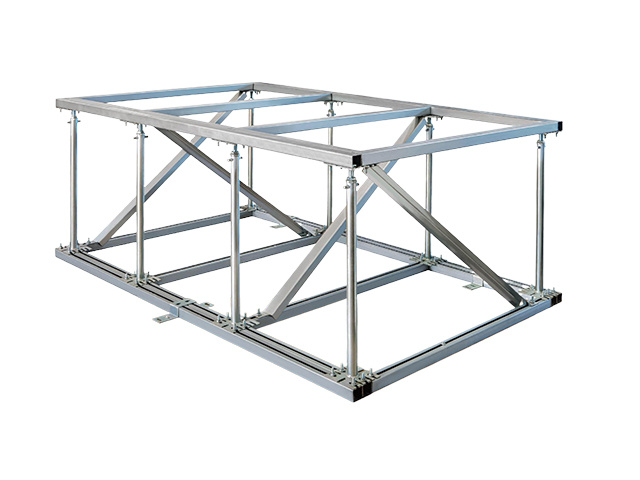
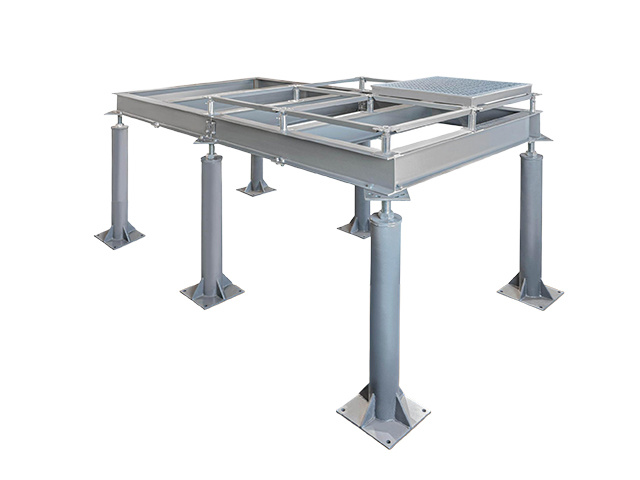
Raised access flooring, often referred to as modular flooring or raised floor systems, has gained considerable popularity in the construction and design industries. This innovative flooring solution consists of a network of panels elevated above the structural floor, creating a space for essential services such as electrical wiring, HVAC ducts, and plumbing systems. The benefits of raised access f
2026年03月31日
Raised access flooring, often referred to as modular flooring or raised floor systems, has gained considerable popularity in the construction and design industries. This innovative flooring solution consists of a network of panels elevated above the structural floor, creating a space for essential services such as electrical wiring, HVAC ducts, and plumbing systems. The benefits of raised access flooring are numerous, making it an ideal choice for various applications.
One of the primary advantages of raised access flooring is its flexibility. The modular nature of the panels allows for easy installation, maintenance, and reconfiguration. In dynamic environments such as office spaces, telecommunication centers, and data centers, the ability to quickly modify the layout is crucial. Users can effortlessly adjust the height of the flooring to accommodate different needs or future expansions without undergoing significant structural changes.
Another significant benefit is improved airflow and cooling efficiency. The gap created by the raised access flooring allows for better circulation of air, which is particularly advantageous in technical environments like server rooms. By routing cooling systems underneath the flooring, the performance of electronic equipment can be enhanced, leading to reduced energy costs and prolonged equipment lifespan.
Moreover, raised access flooring can contribute to overall aesthetic appeal. With a wide range of finishes and materials available, from wood laminates to carpets, it can complement any interior design. This versatility makes it suitable not only for commercial applications but also for high-end residential projects.
When considering the installation of raised access flooring, it is essential to evaluate the load-bearing capacity and the type of flooring system best suited for the specific environment. Manufacturers typically offer systems designed to support varying weights, which is crucial in areas with heavy machinery or extensive equipment.
Additionally, sound insulation is another factor worth noting. Raised access flooring systems can be designed to minimize sound transfer between different levels, ensuring that noise levels remain manageable in busy environments. This is particularly beneficial in open-plan offices or multi-tenant buildings where privacy and concentration are paramount.
In conclusion, raised access flooring presents a myriad of advantages for contemporary building designs. Its adaptability, enhanced airflow, aesthetic options, and sound insulation make it a valuable choice for architects and builders. As you explore flooring solutions for your next project, considering raised access flooring could lead to a more efficient, flexible, and visually appealing space. Whether you are renovating an existing space or designing a new one, this flooring system can provide the functionality and style needed to meet modern demands.
One of the primary advantages of raised access flooring is its flexibility. The modular nature of the panels allows for easy installation, maintenance, and reconfiguration. In dynamic environments such as office spaces, telecommunication centers, and data centers, the ability to quickly modify the layout is crucial. Users can effortlessly adjust the height of the flooring to accommodate different needs or future expansions without undergoing significant structural changes.
Another significant benefit is improved airflow and cooling efficiency. The gap created by the raised access flooring allows for better circulation of air, which is particularly advantageous in technical environments like server rooms. By routing cooling systems underneath the flooring, the performance of electronic equipment can be enhanced, leading to reduced energy costs and prolonged equipment lifespan.
Moreover, raised access flooring can contribute to overall aesthetic appeal. With a wide range of finishes and materials available, from wood laminates to carpets, it can complement any interior design. This versatility makes it suitable not only for commercial applications but also for high-end residential projects.
When considering the installation of raised access flooring, it is essential to evaluate the load-bearing capacity and the type of flooring system best suited for the specific environment. Manufacturers typically offer systems designed to support varying weights, which is crucial in areas with heavy machinery or extensive equipment.
Additionally, sound insulation is another factor worth noting. Raised access flooring systems can be designed to minimize sound transfer between different levels, ensuring that noise levels remain manageable in busy environments. This is particularly beneficial in open-plan offices or multi-tenant buildings where privacy and concentration are paramount.
In conclusion, raised access flooring presents a myriad of advantages for contemporary building designs. Its adaptability, enhanced airflow, aesthetic options, and sound insulation make it a valuable choice for architects and builders. As you explore flooring solutions for your next project, considering raised access flooring could lead to a more efficient, flexible, and visually appealing space. Whether you are renovating an existing space or designing a new one, this flooring system can provide the functionality and style needed to meet modern demands.

Contact us
Email address
Company address
Hengshanqiao Town, Wujin District, Changzhou City, Jiangsu Province