
Understanding Data Center Raised Floors: Enhancing Efficiency and Flexibility
---
In the architecture and decorative materials sector, particularly concerning flooring solutions, the concept of a "data center raised floor" is of paramount importance. Raised floors are engineered systems designed to elevate the floor surface above the concrete slab of a data center. This design allows for the efficient management of electrical and mechanical components essential for maintain
2026年01月05日
---
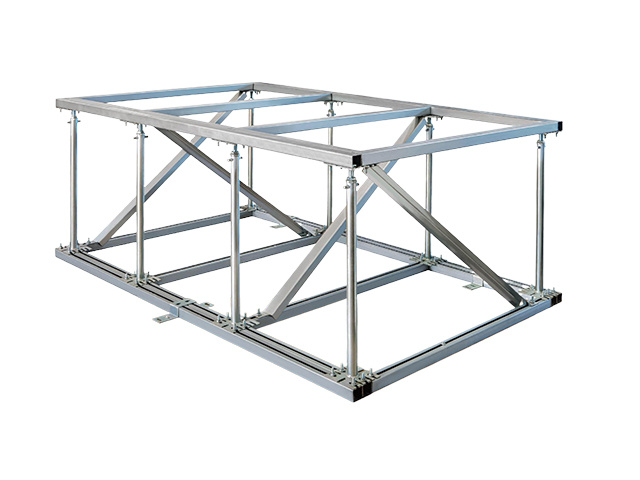
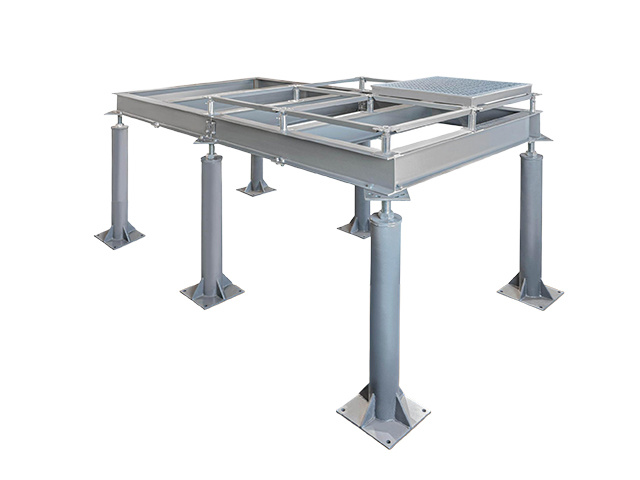
In the architecture and decorative materials sector, particularly concerning flooring solutions, the concept of a "data center raised floor" is of paramount importance. Raised floors are engineered systems designed to elevate the floor surface above the concrete slab of a data center. This design allows for the efficient management of electrical and mechanical components essential for maintaining optimal performance in data centers.
One of the primary advantages of a raised floor system is its ability to facilitate advanced airflow management. Data centers generate significant heat due to the high density of servers and other equipment. A raised floor allows for the installation of perforated tiles that can direct cool air where it's needed most. This targeted airflow helps prevent overheating, thereby improving the reliability and lifespan of equipment. Efficient cooling strategies are crucial, as they contribute to energy savings and sustainability—two vital considerations for modern data center operations.
Another key benefit of raised floors is enhanced cable management. Data centers often require a complex array of power, data, and communication cables. A raised floor provides an organized space beneath the surface to run these cables, minimizing clutter and making maintenance easier. This not only improves aesthetics but also reduces the risk of damage to cables and facilitates quick access for upgrades or troubleshooting.
When designing a data center with a raised floor, several technical considerations should be taken into account. The height of the raised floor is critical; it should provide sufficient space for airflow and cabling while considering the overall layout of the data center. Additionally, the choice of materials is essential. The flooring must be durable enough to withstand heavy loads from servers and equipment while also being able to resist static electricity, which can damage sensitive electronics.
Installation practices are equally important. It is vital to ensure that the flooring system is installed correctly to maintain its structural integrity and performance. Regular maintenance checks are recommended to ensure that the raised floor continues to perform optimally over time. This includes monitoring airflow patterns, checking for any obstructions beneath the floor, and ensuring that all components are functioning as intended.
In conclusion, a data center raised floor system is not just a structural element; it is a key component that significantly enhances operational efficiency and flexibility. By allowing for improved airflow and effective cable management, raised floors contribute to the overall performance of data centers. As the demand for data processing continues to grow, investing in a well-designed raised floor system will be crucial for ensuring that facilities remain effective and sustainable in the long term.
In the architecture and decorative materials sector, particularly concerning flooring solutions, the concept of a "data center raised floor" is of paramount importance. Raised floors are engineered systems designed to elevate the floor surface above the concrete slab of a data center. This design allows for the efficient management of electrical and mechanical components essential for maintaining optimal performance in data centers.
One of the primary advantages of a raised floor system is its ability to facilitate advanced airflow management. Data centers generate significant heat due to the high density of servers and other equipment. A raised floor allows for the installation of perforated tiles that can direct cool air where it's needed most. This targeted airflow helps prevent overheating, thereby improving the reliability and lifespan of equipment. Efficient cooling strategies are crucial, as they contribute to energy savings and sustainability—two vital considerations for modern data center operations.
Another key benefit of raised floors is enhanced cable management. Data centers often require a complex array of power, data, and communication cables. A raised floor provides an organized space beneath the surface to run these cables, minimizing clutter and making maintenance easier. This not only improves aesthetics but also reduces the risk of damage to cables and facilitates quick access for upgrades or troubleshooting.
When designing a data center with a raised floor, several technical considerations should be taken into account. The height of the raised floor is critical; it should provide sufficient space for airflow and cabling while considering the overall layout of the data center. Additionally, the choice of materials is essential. The flooring must be durable enough to withstand heavy loads from servers and equipment while also being able to resist static electricity, which can damage sensitive electronics.
Installation practices are equally important. It is vital to ensure that the flooring system is installed correctly to maintain its structural integrity and performance. Regular maintenance checks are recommended to ensure that the raised floor continues to perform optimally over time. This includes monitoring airflow patterns, checking for any obstructions beneath the floor, and ensuring that all components are functioning as intended.
In conclusion, a data center raised floor system is not just a structural element; it is a key component that significantly enhances operational efficiency and flexibility. By allowing for improved airflow and effective cable management, raised floors contribute to the overall performance of data centers. As the demand for data processing continues to grow, investing in a well-designed raised floor system will be crucial for ensuring that facilities remain effective and sustainable in the long term.

Contact us
Email address
Company address
Hengshanqiao Town, Wujin District, Changzhou City, Jiangsu Province