
Understanding Raised Access Flooring: A Key Component in Modern Building Design
Raised access flooring is a system that elevates the floor surface above the building's structural subfloor, creating a usable space for electrical and mechanical services. This innovative flooring solution is particularly advantageous in environments where flexibility, aesthetics, and ease of access to utility systems are paramount.
One of the primary benefits of raised access flooring is its ab
2025年12月23日
Raised access flooring is a system that elevates the floor surface above the building's structural subfloor, creating a usable space for electrical and mechanical services. This innovative flooring solution is particularly advantageous in environments where flexibility, aesthetics, and ease of access to utility systems are paramount.
One of the primary benefits of raised access flooring is its ability to facilitate easy reconfiguration of office layouts. In modern workplaces, where adaptability is essential, this flooring system allows for quick adjustments in floor plans without the need for extensive renovations. By placing power, data, and other essential services beneath the floor, organizations can easily modify their office space to accommodate changing needs, thereby optimizing the work environment.
Additionally, raised access flooring contributes to improved air circulation within a building. The space beneath the floor can be utilized for air distribution, ensuring that heating and cooling systems operate more efficiently. This can lead to enhanced indoor air quality and reduced energy costs, making it a sustainable choice for environmentally conscious builders and designers.
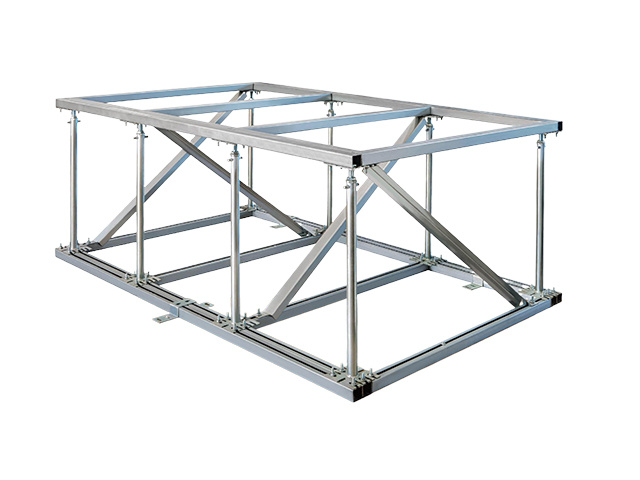
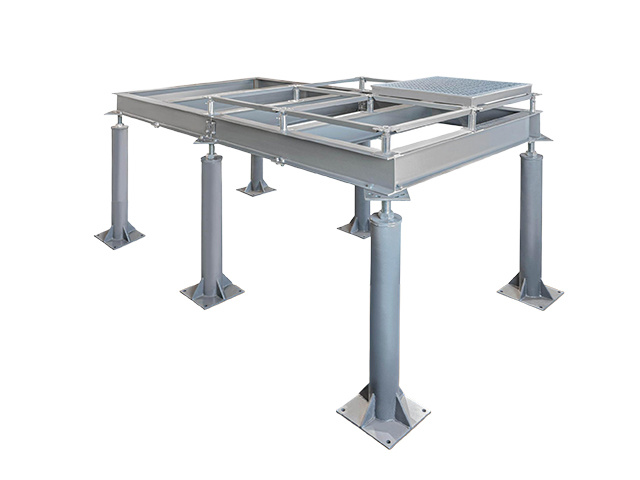
From a technical standpoint, raised access flooring systems are typically composed of modular panels supported by a grid of pedestals. These panels can be made from various materials, including steel, aluminum, or wood, allowing for flexibility in design and durability. The panels can also be covered with various finishes, including carpet, vinyl, or laminate, enabling seamless integration with the overall aesthetic of the space.
Moreover, raised access flooring is highly beneficial in environments that require frequent maintenance and upgrades, such as data centers and control rooms. The ability to easily access wiring and plumbing without disrupting the workspace is a significant advantage in ensuring minimal downtime during maintenance activities.
In conclusion, raised access flooring is not merely a practical solution but also a strategic advantage in modern building design. Its ability to enhance flexibility, improve air circulation, and facilitate maintenance makes it an ideal choice for a variety of commercial applications. As the demand for adaptable and sustainable building solutions continues to grow, understanding the benefits and functionalities of raised access flooring will be essential for industry professionals looking to stay ahead in the competitive landscape of architecture and design.
One of the primary benefits of raised access flooring is its ability to facilitate easy reconfiguration of office layouts. In modern workplaces, where adaptability is essential, this flooring system allows for quick adjustments in floor plans without the need for extensive renovations. By placing power, data, and other essential services beneath the floor, organizations can easily modify their office space to accommodate changing needs, thereby optimizing the work environment.
Additionally, raised access flooring contributes to improved air circulation within a building. The space beneath the floor can be utilized for air distribution, ensuring that heating and cooling systems operate more efficiently. This can lead to enhanced indoor air quality and reduced energy costs, making it a sustainable choice for environmentally conscious builders and designers.
From a technical standpoint, raised access flooring systems are typically composed of modular panels supported by a grid of pedestals. These panels can be made from various materials, including steel, aluminum, or wood, allowing for flexibility in design and durability. The panels can also be covered with various finishes, including carpet, vinyl, or laminate, enabling seamless integration with the overall aesthetic of the space.
Moreover, raised access flooring is highly beneficial in environments that require frequent maintenance and upgrades, such as data centers and control rooms. The ability to easily access wiring and plumbing without disrupting the workspace is a significant advantage in ensuring minimal downtime during maintenance activities.
In conclusion, raised access flooring is not merely a practical solution but also a strategic advantage in modern building design. Its ability to enhance flexibility, improve air circulation, and facilitate maintenance makes it an ideal choice for a variety of commercial applications. As the demand for adaptable and sustainable building solutions continues to grow, understanding the benefits and functionalities of raised access flooring will be essential for industry professionals looking to stay ahead in the competitive landscape of architecture and design.

Contact us
Email address
Company address
Hengshanqiao Town, Wujin District, Changzhou City, Jiangsu Province