
Understanding Data Center Raised Floors: Essential Insights for Modern Infrastructure
In the realm of modern data center design, the concept of raised floors plays a pivotal role. A data center raised floor is an elevated flooring system that creates a space between the actual concrete slab and the floor surface. This design is primarily used to facilitate efficient airflow management, cable routing, and equipment accessibility, making it an essential component of contemporary infr
2025年12月04日
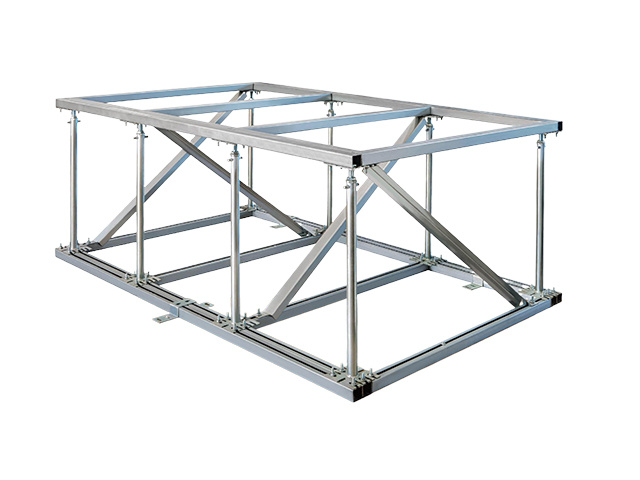
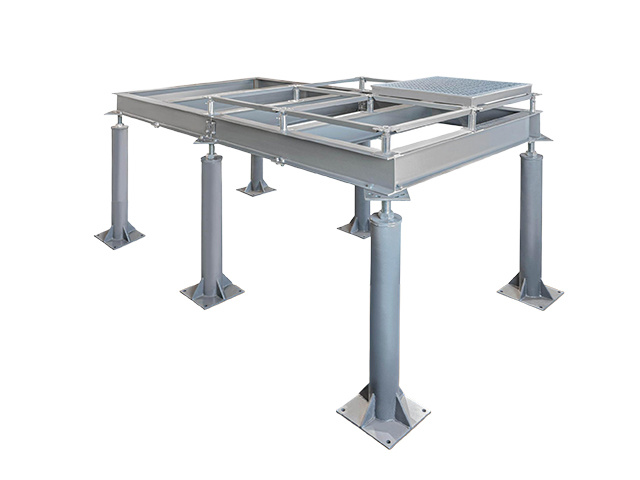
In the realm of modern data center design, the concept of raised floors plays a pivotal role. A data center raised floor is an elevated flooring system that creates a space between the actual concrete slab and the floor surface. This design is primarily used to facilitate efficient airflow management, cable routing, and equipment accessibility, making it an essential component of contemporary infrastructure.
One of the primary advantages of a data center raised floor is its contribution to effective cooling management. In data centers, heat generation from servers and other equipment can significantly impact performance. The space beneath the raised floor allows for the installation of cooling systems, such as underfloor air distribution (UFAD), which helps to circulate cool air more effectively. By delivering conditioned air directly to the server intakes, raised floors can enhance the overall cooling efficiency, reducing the risk of overheating and extending the lifespan of critical equipment.
Additionally, a data center raised floor provides a streamlined solution for cable management. With numerous cables required for power and data transmission, having an organized and accessible routing system is crucial. The empty space beneath the raised floor allows for the neat arrangement of cables, reducing clutter and minimizing the risk of damage. This organization not only improves aesthetics but also facilitates easier maintenance and future upgrades, as technicians can access these cables without disrupting operations.
Moreover, a data center raised floor offers flexibility in design and layout. As technology evolves, the demands placed on data centers change, necessitating adaptability in infrastructure. Raised floor systems allow for easy reconfiguration of workspace layouts, accommodating new equipment or changing operational needs without extensive renovations. This capability is particularly beneficial for organizations that need to scale operations quickly in response to growth or shifts in technology.
However, the installation of a data center raised floor requires careful planning and consideration. Factors such as the height of the raised floor, load-bearing capacity, and materials used are critical to ensuring that the system meets the specific requirements of the facility. It’s essential for stakeholders to collaborate with design and construction professionals to develop a solution that aligns with the operational goals of the data center.
In conclusion, a data center raised floor is more than just a structural element; it is a fundamental component that enhances performance, efficiency, and flexibility. By understanding the significance of raised floors in data center design, organizations can make informed decisions that contribute to the longevity and effectiveness of their infrastructure. Whether optimizing airflow, managing cables, or accommodating future growth, data center raised floors stand as a testament to the evolution of technology and the necessity for innovative design in today's digital landscape.
One of the primary advantages of a data center raised floor is its contribution to effective cooling management. In data centers, heat generation from servers and other equipment can significantly impact performance. The space beneath the raised floor allows for the installation of cooling systems, such as underfloor air distribution (UFAD), which helps to circulate cool air more effectively. By delivering conditioned air directly to the server intakes, raised floors can enhance the overall cooling efficiency, reducing the risk of overheating and extending the lifespan of critical equipment.
Additionally, a data center raised floor provides a streamlined solution for cable management. With numerous cables required for power and data transmission, having an organized and accessible routing system is crucial. The empty space beneath the raised floor allows for the neat arrangement of cables, reducing clutter and minimizing the risk of damage. This organization not only improves aesthetics but also facilitates easier maintenance and future upgrades, as technicians can access these cables without disrupting operations.
Moreover, a data center raised floor offers flexibility in design and layout. As technology evolves, the demands placed on data centers change, necessitating adaptability in infrastructure. Raised floor systems allow for easy reconfiguration of workspace layouts, accommodating new equipment or changing operational needs without extensive renovations. This capability is particularly beneficial for organizations that need to scale operations quickly in response to growth or shifts in technology.
However, the installation of a data center raised floor requires careful planning and consideration. Factors such as the height of the raised floor, load-bearing capacity, and materials used are critical to ensuring that the system meets the specific requirements of the facility. It’s essential for stakeholders to collaborate with design and construction professionals to develop a solution that aligns with the operational goals of the data center.
In conclusion, a data center raised floor is more than just a structural element; it is a fundamental component that enhances performance, efficiency, and flexibility. By understanding the significance of raised floors in data center design, organizations can make informed decisions that contribute to the longevity and effectiveness of their infrastructure. Whether optimizing airflow, managing cables, or accommodating future growth, data center raised floors stand as a testament to the evolution of technology and the necessity for innovative design in today's digital landscape.

Contact us
Email address
Company address
Hengshanqiao Town, Wujin District, Changzhou City, Jiangsu Province