
Elevated Floor Tiles: Transforming Commercial Spaces into Versatile and Stylish Environments
Elevated Floor Tiles: Transforming Commercial Spaces
Introduction to Elevated Floor Tiles
Elevated floor tiles have emerged as a game-changer in the realm of commercial design and construction. Offering not only aesthetic appeal but also functional benefits, these tiles are redefining how spaces are utilized. By allowing for easy access to electrical and mechanical systems beneath the flooring, el
2025年11月07日
Elevated Floor Tiles: Transforming Commercial Spaces
Introduction to Elevated Floor Tiles
Elevated floor tiles have emerged as a game-changer in the realm of commercial design and construction. Offering not only aesthetic appeal but also functional benefits, these tiles are redefining how spaces are utilized. By allowing for easy access to electrical and mechanical systems beneath the flooring, elevated floor tiles provide a seamless blend of practicality and style.
The Benefits of Elevated Floor Tiles in Commercial Spaces
1. Enhanced Aesthetics and Design Flexibility
One of the most compelling reasons to consider elevated floor tiles is their ability to transform the visual landscape of a commercial space. Available in a myriad of colors, textures, and finishes, these tiles offer unparalleled design flexibility. Businesses can create unique atmospheres that align with their brand image, whether it’s a sleek corporate office, a trendy retail outlet, or a sophisticated hotel lobby.
2. Improved Functionality and Accessibility
Elevated floor tiles facilitate easy access to vital mechanical systems, including HVAC, electrical wiring, and plumbing. This accessibility is crucial for maintenance and upgrades, minimizing downtime and disruption in commercial settings. Additionally, the space beneath the tiles can house cables and conduits, keeping the floor area uncluttered and maintaining a clean, professional look.
3. Increased Durability and Longevity
Commercial spaces demand flooring solutions that can withstand high foot traffic and wear. Elevated floor tiles are engineered for durability, making them an ideal choice for busy environments. They are resistant to scratches, stains, and moisture, ensuring they maintain their integrity and appearance over time. This durability translates to long-term cost savings for businesses, as they require less frequent replacement.
4. Enhanced Acoustic Performance
Noise can be a significant concern in commercial environments, affecting productivity and comfort. Elevated floor tiles can contribute to better sound insulation. The air gap created by the elevated flooring system helps absorb sound, making spaces quieter and more conducive to focus and collaboration. This feature is especially beneficial in offices, conference rooms, and open-plan layouts.
Understanding the Installation Process of Elevated Floor Tiles
1. Preparation and Planning
Before installation begins, thorough planning is essential. Businesses should assess their specific needs and the layout of the space. Factors such as the type of traffic, the weight of equipment, and design preferences will influence the selection of tile materials and the installation method.
2. Choosing the Right Elevated Floor System
There are various types of elevated floor systems available, including panel systems, stringer systems, and modular systems. Each type has its advantages depending on the application. For instance, panel systems are often easier to install and provide a flat surface, while stringer systems are more robust, supporting heavier loads.
3. Installation Steps
The installation process for elevated floor tiles generally involves several key steps:
- **Site Assessment:** Analyze the existing conditions to ensure proper alignment and stability.
- **Subfloor Preparation:** Ensure the subfloor is clean and level to provide a solid foundation for the elevated system.
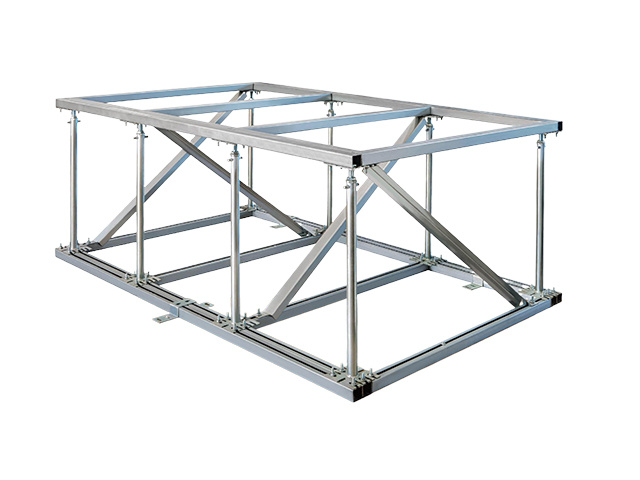
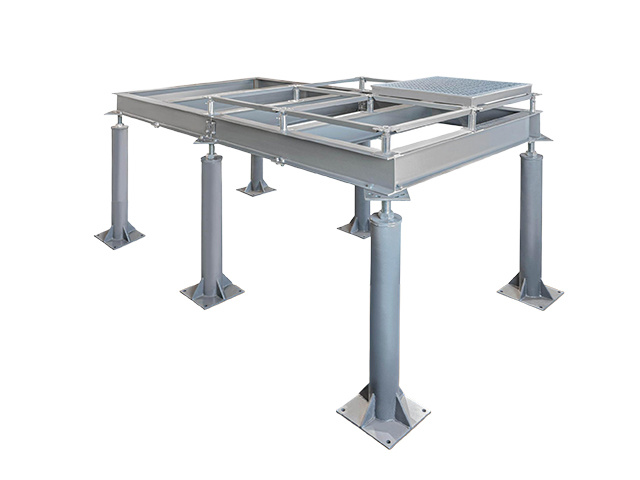
- **System Assembly:** Begin by installing the pedestals or support structures that will elevate the tiles.
- **Tile Placement:** Carefully lay the elevated tiles over the support structures, ensuring they fit snugly and securely.
- **Finishing Touches:** Once all tiles are in place, add any necessary trims or edge treatments to complete the look.
4. Post-Installation Maintenance
After installation, maintaining elevated floor tiles is crucial for preserving their appearance and functionality. Regular cleaning and periodic inspections for any loose tiles or damage will ensure that the flooring remains in top condition. Many manufacturers offer specific care guidelines tailored to their products.
Design Possibilities with Elevated Floor Tiles
1. Creating Unique Patterns and Layouts
One of the exciting aspects of elevated floor tiles is the opportunity to create unique patterns and layouts. Businesses can experiment with different tile sizes, shapes, and colors to craft visually appealing designs that reflect their brand identity. Creating zones within a space can also guide movement and encourage collaboration or privacy as needed.
2. Incorporating Technology into Design
The rise of smart buildings has prompted innovative uses of elevated floor tiles. Incorporating technology such as underfloor heating, lighting, or even data connections into the flooring system is becoming increasingly common. This integration not only enhances comfort but also elevates the overall functionality of the space.
3. Sustainability and Eco-Friendly Options
As sustainability becomes a priority for businesses, elevated floor tiles made from recycled or eco-friendly materials are gaining traction. These options allow companies to reduce their carbon footprint while still achieving a stylish and durable flooring solution. By opting for sustainable materials, businesses can also appeal to environmentally conscious customers.
Cost Considerations of Elevated Floor Tiles
1. Initial Investment vs. Long-term Savings
While the initial cost of elevated floor tiles may be higher than traditional flooring options, the long-term benefits often outweigh the upfront investment. Businesses should consider factors such as durability, maintenance costs, and the potential for reduced downtime when evaluating their flooring budget.
2. Factors Influencing Total Cost
Several factors can influence the total cost of installing elevated floor tiles, including:
- **Material Selection:** The type of tile chosen (e.g., vinyl, ceramic, or laminate) will significantly affect pricing.
- **Installation Complexity:** More complex installations will typically incur higher labor costs.
- **Size of the Area:** Larger spaces require more materials and labor, impacting overall expenses.
Elevated Floor Tiles: A Solution for Diverse Commercial Applications
1. Office Spaces
In modern office environments, elevated floor tiles facilitate collaboration and communication. The easy access to cabling and electrical outlets allows for flexible workstation configurations, accommodating the evolving needs of businesses.
2. Retail Environments
For retail spaces, elevated floor tiles enhance the customer experience by providing a visually appealing and organized shopping environment. Retailers can use different tile designs to highlight specific areas, guiding customers through the store.
3. Data Centers and Technology Hubs
In data centers, where cooling and efficient airflow are critical, elevated floor tiles play a vital role. They allow for optimal air circulation and easy access to wiring, making maintenance and upgrades less disruptive.
4. Educational Institutions
Schools and universities can benefit from elevated floor tiles by creating dynamic learning environments that promote collaboration and engagement. The acoustic benefits also help reduce distractions, fostering a better learning atmosphere.
Conclusion
Elevated floor tiles are revolutionizing the way we approach commercial space design. With their unique blend of aesthetics, functionality, and sustainability, these tiles are becoming a preferred choice for businesses looking to create environments that are not only stylish but also practical. As companies continue to prioritize flexibility and accessibility, the role of elevated floor tiles will only grow. Investing in this innovative flooring solution is a step towards transforming not just spaces, but the overall experience of employees and customers alike.
Frequently Asked Questions (FAQs)
1. What are elevated floor tiles made of?
Elevated floor tiles can be made from various materials, including vinyl, ceramic, laminate, or raised access flooring panels. The choice of material often depends on the specific requirements of the commercial space.
2. How do elevated floor tiles improve air circulation?
The air gap created by elevated flooring systems allows for better airflow, promoting efficient cooling in environments such as data centers. This design helps maintain optimal temperatures for sensitive equipment.
3. Are elevated floor tiles suitable for all types of businesses?
Yes, elevated floor tiles can be tailored to meet the needs of various industries, including office spaces, retail, education, and technology sectors. Their versatility makes them a suitable option for a wide range of applications.
4. Can I install elevated floor tiles myself?
While some individuals may choose to undertake a DIY installation, it is advisable to hire professionals for optimal results, especially for complex layouts or large areas. Professional installers ensure that the tiles are properly aligned and secured.
5. How do I maintain elevated floor tiles?
Regular cleaning with appropriate cleaning agents is essential for maintaining elevated floor tiles. Additionally, periodic inspections for any loose tiles or damage will help prolong their lifespan and appearance.

Contact us
Email address
Company address
Hengshanqiao Town, Wujin District, Changzhou City, Jiangsu Province