
Elevate Your Space: Understanding Calcium Sulphate Raised Access Floors for Modern Interiors
Elevate Your Space: Calcium Sulphate Raised Access Floors Explained
Table of Contents
What Are Calcium Sulphate Raised Access Floors?
Benefits of Calcium Sulphate Raised Access Floors
Applications of Calcium Sulphate Raised Access Floors
The Installation Process of Calcium Sulphate Floors
Maintenance and Care for Calcium Sulphate Floors
Comparison with Other Flooring Optio
2025年11月01日
Elevate Your Space: Calcium Sulphate Raised Access Floors Explained
Table of Contents
- What Are Calcium Sulphate Raised Access Floors?
- Benefits of Calcium Sulphate Raised Access Floors
- Applications of Calcium Sulphate Raised Access Floors
- The Installation Process of Calcium Sulphate Floors
- Maintenance and Care for Calcium Sulphate Floors
- Comparison with Other Flooring Options
- Sustainability and Environmental Impact
- Frequently Asked Questions (FAQs)
What Are Calcium Sulphate Raised Access Floors?
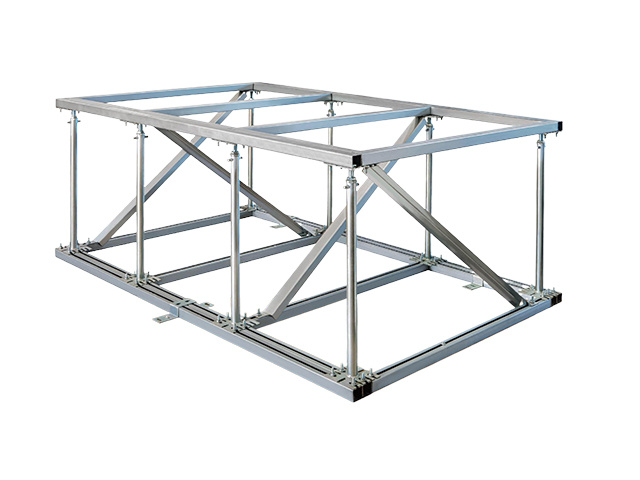
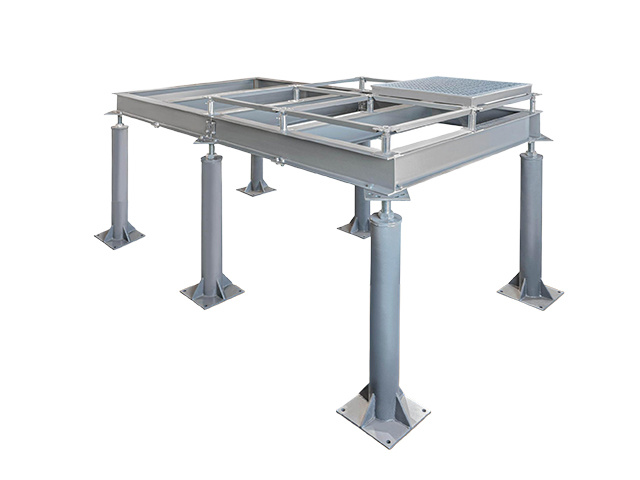
Calcium sulphate raised access floors are innovative flooring systems designed to create an elevated space between the structural floor and the finished floor surface. These systems consist of modular panels supported by a grid of pedestals, typically made from a durable calcium sulphate core. The primary purpose of this design is to provide easy access to electrical wiring, plumbing, and HVAC systems that may be hidden beneath the floor.
These flooring solutions are increasingly popular in commercial spaces, including office buildings, data centers, and institutions requiring flexible layouts. The use of calcium sulphate as a core material enhances fire resistance, sound insulation, and overall durability.
Benefits of Calcium Sulphate Raised Access Floors
The advantages of calcium sulphate raised access floors extend beyond aesthetics. Here are some key benefits:
1. Enhanced Flexibility
One of the primary benefits of raised access floors is the flexibility they offer. Space-planning can easily adapt to changing needs, allowing for modifications in electrical and data outlets without significant structural changes.
2. Improved Aesthetics
Calcium sulphate panels can be finished with various materials, allowing for seamless integration into any interior design scheme. This variety helps create a polished and professional look in modern spaces.
3. Superior Fire Resistance
Calcium sulphate materials are non-combustible, providing excellent fire resistance. This attribute is crucial for safety compliance and minimizes fire hazards in commercial settings.
4. Acoustic Performance
The sound-dampening properties of calcium sulphate raised access floors contribute to a quieter and more productive environment. This benefit is particularly valuable in offices or collaborative workspaces.
5. Easy Maintenance
With access floors, cleaning and maintenance become more efficient. Technicians can quickly access underfloor utilities without the need for disruptive renovations.
Applications of Calcium Sulphate Raised Access Floors
Calcium sulphate raised access floors are versatile and can be applied in various environments:
1. Commercial Office Spaces
In modern office designs, these floors facilitate quick changes in layout and technology. They enable easy access for IT maintenance, keeping a clean and organized work environment.
2. Data Centers
Data centers benefit from raised access floors by allowing comprehensive airflow management and thermal regulation, essential for equipment cooling.
3. Educational Institutions
Schools and universities often utilize raised access floors for classrooms and laboratories, providing flexible setups for various learning experiences.
4. Healthcare Facilities
In hospitals and medical offices, these floors allow easy access to crucial systems while maintaining cleanliness and efficient workflow.
5. Retail Environments
Retail stores can leverage raised access floors for efficient layout changes, accommodating seasonal collections and changing consumer demands.
The Installation Process of Calcium Sulphate Floors
The installation of calcium sulphate raised access floors is a precise process that involves several critical steps:
1. Site Assessment and Preparation
Before installation, a thorough site assessment is performed to identify potential challenges and plan the layout. Preparing the subfloor is essential to ensure stability.
2. Installing Pedestals
Pedestals are strategically placed across the area based on the design layout. Proper alignment and spacing are crucial for structural integrity.
3. Laying Down the Panels
The panels are fitted onto the pedestals, ensuring they are level and securely positioned. This step may involve cutting panels to fit around obstacles.
4. Finishing Touches
After the panels are installed, finishing touches such as additional flooring materials, trim, and thresholds are applied to enhance aesthetics and functionality.
5. Final Inspection
A final inspection is necessary to ensure the installation meets safety and design standards. Any adjustments are made at this stage.
Maintenance and Care for Calcium Sulphate Floors
To ensure the longevity and performance of calcium sulphate raised access floors, proper maintenance is essential:
1. Regular Cleaning
Routine cleaning should include sweeping, vacuuming, and mopping with appropriate cleaning agents to prevent dust and debris accumulation.
2. Periodic Inspections
Periodic inspections help identify any loose panels or pedestals. Addressing issues promptly prevents larger problems in the future.
3. Addressing Water Damage
While calcium sulphate is moisture-resistant, addressing any water leaks immediately is crucial to prevent potential damage to the flooring system.
4. Professional Maintenance
Engaging professionals for maintenance can extend the life of raised access floors, ensuring they remain in optimal condition.
Comparison with Other Flooring Options
When considering flooring solutions, it’s essential to compare calcium sulphate raised access floors with traditional flooring options:
1. Carpet Tiles
While carpet tiles provide comfort and aesthetics, they offer less flexibility and accessibility compared to raised access floors.
2. Vinyl or Linoleum Flooring
Vinyl or linoleum flooring is economical but lacks the underfloor access and adaptability that raised access systems provide.
3. Concrete Flooring
Concrete flooring is durable but may require extensive modifications for access to utilities. Calcium sulphate floors offer superior accessibility without compromising on durability.
Sustainability and Environmental Impact
Calcium sulphate raised access floors contribute to sustainability efforts in construction:
1. Recyclable Materials
Many manufacturers offer recyclable materials for raised access floors, minimizing waste and promoting a circular economy.
2. Energy Efficiency
The design of raised access floors enhances energy efficiency by allowing for better airflow management and temperature regulation in commercial spaces.
3. Reduced Environmental Footprint
By facilitating easy upgrades and modifications, raised access floors reduce the need for extensive renovations, thus lessening the environmental impact.
Frequently Asked Questions (FAQs)
1. What is the lifespan of calcium sulphate raised access floors?
Typically, these floors have a lifespan of 30 years or more if maintained properly.
2. Are calcium sulphate raised access floors suitable for high-traffic areas?
Yes, they are designed to withstand heavy foot traffic while maintaining their structural integrity.
3. Can I install raised access floors over existing flooring?
Yes, in many cases, raised access floors can be installed over existing flooring, provided the subfloor is stable.
4. How do I clean calcium sulphate raised access floors?
Routine cleaning involves sweeping, vacuuming, and using damp mops with suitable cleaning solutions.
5. Are raised access floors a cost-effective option?
While the initial investment may be higher, the long-term benefits, such as flexibility and maintenance savings, make them a cost-effective choice.
Conclusion
Calcium sulphate raised access floors present an innovative solution for modern interiors, offering flexibility, durability, and aesthetic appeal. As commercial spaces evolve, these flooring systems contribute to creating functional environments that adapt to changing needs. By incorporating calcium sulphate raised access floors, businesses can not only enhance their workspace but also promote sustainability and efficiency. Understanding their benefits, applications, and maintenance will empower you to make informed decisions about enhancing your space, ultimately elevating the functionality and design of your environment.

Contact us
Email address
Company address
Hengshanqiao Town, Wujin District, Changzhou City, Jiangsu Province