
Understanding Elevated Floor Tiles: Benefits and Applications
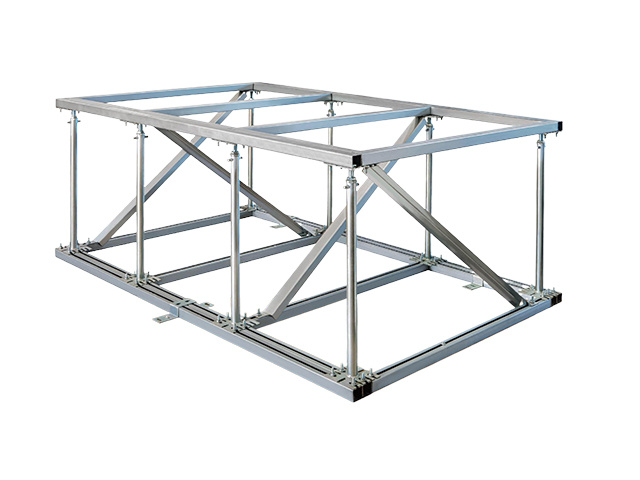
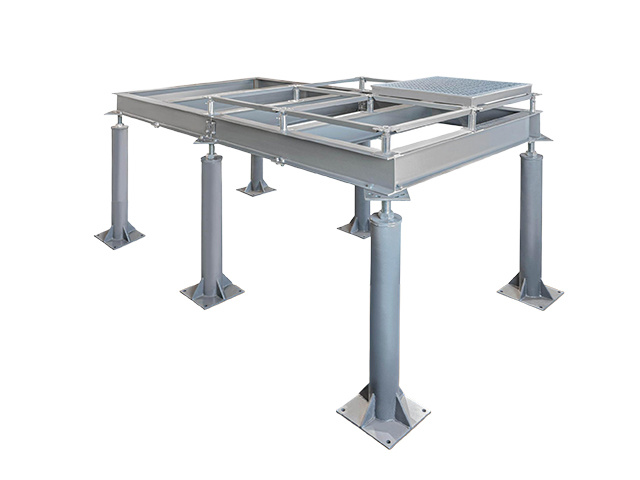
Elevated floor tiles, also known as raised access flooring, are an innovative flooring solution designed to create a space between the subfloor and the finished floor surface. This space, typically ranging from a few inches to several feet, serves as a conduit for electrical wiring, HVAC systems, and other utilities. The use of elevated floor tiles has gained popularity in commercial buildings, da
2025年09月25日
Elevated floor tiles, also known as raised access flooring, are an innovative flooring solution designed to create a space between the subfloor and the finished floor surface. This space, typically ranging from a few inches to several feet, serves as a conduit for electrical wiring, HVAC systems, and other utilities. The use of elevated floor tiles has gained popularity in commercial buildings, data centers, and modern offices due to their numerous benefits.
One of the primary advantages of elevated floor tiles is their adaptability. They allow for easy access to the systems beneath the flooring, making maintenance and upgrades more efficient. This feature is particularly beneficial in environments where technology and infrastructure are constantly evolving, such as server rooms and commercial offices that require frequent layout changes. When cables or pipes need maintenance or replacement, technicians can swiftly access them without disrupting the entire area.
Another significant benefit is the improved air circulation that elevated floor tiles can provide. In spaces like data centers, where equipment generates significant heat, raised flooring helps manage airflow efficiently. The design allows for better placement of cooling systems and ensures that cool air is delivered directly where it is needed most, enhancing energy efficiency and equipment longevity.
Elevated floor tiles also contribute to an aesthetically pleasing environment. Available in various materials, colors, and finishes, they can complement any design scheme. Whether you are looking to create a modern workspace or a visually appealing retail space, these tiles can be customized to meet design preferences while maintaining functionality. Their sleek appearance can elevate the overall ambiance of a room and make a lasting impression on clients and visitors.
Additionally, elevated floor tiles are conducive to sustainability efforts. By facilitating the use of efficient heating, ventilation, and air conditioning (HVAC) systems, they help reduce energy consumption. Moreover, many elevated flooring systems are made from recyclable materials, aligning with environmentally friendly building practices and contributing to a lower carbon footprint.
In summary, elevated floor tiles provide a versatile and practical flooring solution with numerous advantages, including easy access to utilities, improved air circulation, aesthetic appeal, and sustainability. Their ability to adapt to changing needs makes them an ideal choice for various applications in the construction and interior design sectors. By considering elevated floor tiles, you can enhance your space's functionality while creating a visually appealing environment that meets modern demands.
One of the primary advantages of elevated floor tiles is their adaptability. They allow for easy access to the systems beneath the flooring, making maintenance and upgrades more efficient. This feature is particularly beneficial in environments where technology and infrastructure are constantly evolving, such as server rooms and commercial offices that require frequent layout changes. When cables or pipes need maintenance or replacement, technicians can swiftly access them without disrupting the entire area.
Another significant benefit is the improved air circulation that elevated floor tiles can provide. In spaces like data centers, where equipment generates significant heat, raised flooring helps manage airflow efficiently. The design allows for better placement of cooling systems and ensures that cool air is delivered directly where it is needed most, enhancing energy efficiency and equipment longevity.
Elevated floor tiles also contribute to an aesthetically pleasing environment. Available in various materials, colors, and finishes, they can complement any design scheme. Whether you are looking to create a modern workspace or a visually appealing retail space, these tiles can be customized to meet design preferences while maintaining functionality. Their sleek appearance can elevate the overall ambiance of a room and make a lasting impression on clients and visitors.
Additionally, elevated floor tiles are conducive to sustainability efforts. By facilitating the use of efficient heating, ventilation, and air conditioning (HVAC) systems, they help reduce energy consumption. Moreover, many elevated flooring systems are made from recyclable materials, aligning with environmentally friendly building practices and contributing to a lower carbon footprint.
In summary, elevated floor tiles provide a versatile and practical flooring solution with numerous advantages, including easy access to utilities, improved air circulation, aesthetic appeal, and sustainability. Their ability to adapt to changing needs makes them an ideal choice for various applications in the construction and interior design sectors. By considering elevated floor tiles, you can enhance your space's functionality while creating a visually appealing environment that meets modern demands.

Contact us
Email address
Company address
Hengshanqiao Town, Wujin District, Changzhou City, Jiangsu Province