
Understanding Data Center Raised Floors: Enhancing Efficiency and Performance
In the realm of data centers, the term "raised floor" refers to a flooring system that is elevated above the concrete slab, creating a space for air circulation, electrical wiring, and other essential infrastructure. This design is not merely a stylistic choice; it plays a critical role in the efficient operation of modern data centers. By utilizing a raised floor, data centers can manage airflow
2025年09月19日
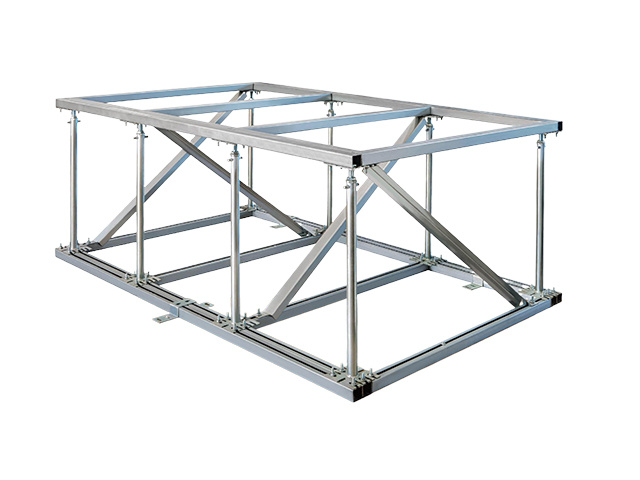
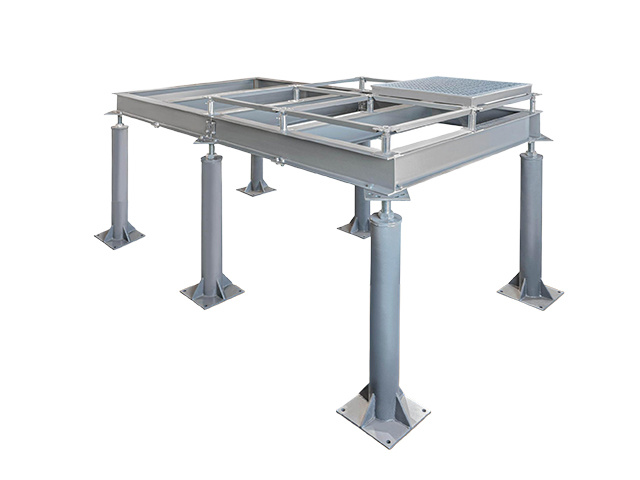
In the realm of data centers, the term "raised floor" refers to a flooring system that is elevated above the concrete slab, creating a space for air circulation, electrical wiring, and other essential infrastructure. This design is not merely a stylistic choice; it plays a critical role in the efficient operation of modern data centers. By utilizing a raised floor, data centers can manage airflow more effectively, which is vital for maintaining optimal operating conditions for servers and other IT equipment.
One of the primary advantages of a raised floor system is its ability to facilitate improved cooling. Many data centers rely on complex cooling systems to ensure that high-performance computing equipment does not overheat. The raised floor allows for the installation of perforated tiles that can direct cool air directly to the equipment. This targeted airflow helps maintain a consistent temperature and minimizes the risk of equipment failure due to overheating. Additionally, the plenum space beneath the raised floor can accommodate hot and cold aisle containment strategies, further enhancing cooling efficiency.
Another important aspect of raised floors in data centers is the ease of access they provide for cabling and other infrastructure. With networking cables, power sources, and other essential services running beneath the raised floor, technicians can quickly and easily access these components for upgrades, maintenance, and troubleshooting. This accessibility minimizes downtime and allows for a more agile response to the evolving needs of IT operations.
However, there are several considerations to keep in mind when designing or upgrading a data center with raised floors. The choice of materials for the raised floor panels is crucial, as they must be durable enough to support heavy equipment while also being lightweight for easy installation and modification. Additionally, the height of the raised floor should be carefully planned to accommodate airflow needs without compromising the overall layout and usability of the data center.
In conclusion, raised floors are a fundamental element in the architecture of data centers, significantly affecting operational efficiency and performance. By improving airflow, simplifying cable management, and enhancing cooling capabilities, raised floors contribute to a more effective and resilient data center environment. As the demand for data processing continues to grow, understanding the benefits of raised floors will be essential for architects and facility managers seeking to create optimal spaces for technological advancement.
One of the primary advantages of a raised floor system is its ability to facilitate improved cooling. Many data centers rely on complex cooling systems to ensure that high-performance computing equipment does not overheat. The raised floor allows for the installation of perforated tiles that can direct cool air directly to the equipment. This targeted airflow helps maintain a consistent temperature and minimizes the risk of equipment failure due to overheating. Additionally, the plenum space beneath the raised floor can accommodate hot and cold aisle containment strategies, further enhancing cooling efficiency.
Another important aspect of raised floors in data centers is the ease of access they provide for cabling and other infrastructure. With networking cables, power sources, and other essential services running beneath the raised floor, technicians can quickly and easily access these components for upgrades, maintenance, and troubleshooting. This accessibility minimizes downtime and allows for a more agile response to the evolving needs of IT operations.
However, there are several considerations to keep in mind when designing or upgrading a data center with raised floors. The choice of materials for the raised floor panels is crucial, as they must be durable enough to support heavy equipment while also being lightweight for easy installation and modification. Additionally, the height of the raised floor should be carefully planned to accommodate airflow needs without compromising the overall layout and usability of the data center.
In conclusion, raised floors are a fundamental element in the architecture of data centers, significantly affecting operational efficiency and performance. By improving airflow, simplifying cable management, and enhancing cooling capabilities, raised floors contribute to a more effective and resilient data center environment. As the demand for data processing continues to grow, understanding the benefits of raised floors will be essential for architects and facility managers seeking to create optimal spaces for technological advancement.

Contact us
Email address
Company address
Hengshanqiao Town, Wujin District, Changzhou City, Jiangsu Province