
Exploring the Advantages of Raised Access Flooring Systems: A Comprehensive Guide
2025年08月25日
Exploring the Advantages of Raised Access Flooring Systems
In today's fast-paced world, efficient use of space is paramount for businesses and establishments. One innovative solution that has gained popularity in recent years is the raised access flooring system. These systems offer a multitude of benefits, making them an attractive choice for commercial and industrial environments. In this article, we will explore the advantages of raised access flooring systems, discussing their applications, benefits, and how they can transform any space into a functional and aesthetically pleasing environment.
Table of Contents
- 1. Introduction to Raised Access Flooring Systems
- 2. What is Raised Access Flooring?
- 3. Key Advantages of Raised Access Flooring Systems
- 3.1 Flexibility and Adaptability
- 3.2 Enhanced Cable Management
- 3.3 Improved Airflow and Ventilation
- 3.4 Aesthetic Appeal
- 3.5 Sustainability and Eco-Friendliness
- 4. Applications of Raised Access Flooring Systems
- 5. Installation and Maintenance of Raised Access Flooring Systems
- 6. Cost Factors to Consider
- 7. Frequently Asked Questions (FAQs)
- 8. Conclusion
1. Introduction to Raised Access Flooring Systems
Raised access flooring systems are innovative flooring solutions that consist of a grid of panels elevated above the subfloor, creating a space for cables, wiring, and plumbing. This design allows for easy access to the underfloor area, promoting efficient management of electrical and mechanical systems. The system is notably popular in environments with constantly changing layouts and high cable densities, such as data centers and modern office spaces.
2. What is Raised Access Flooring?
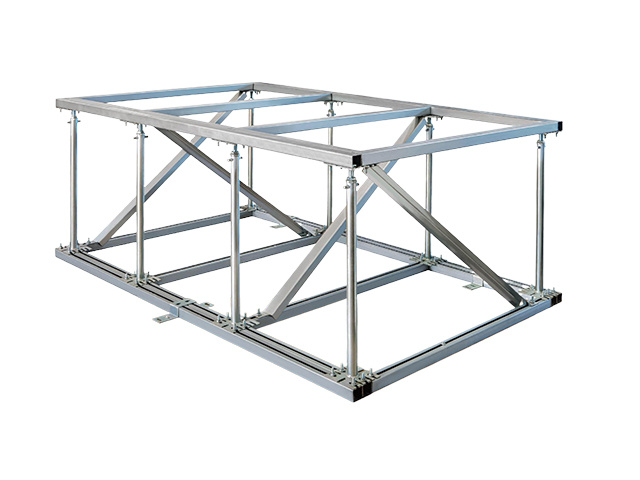
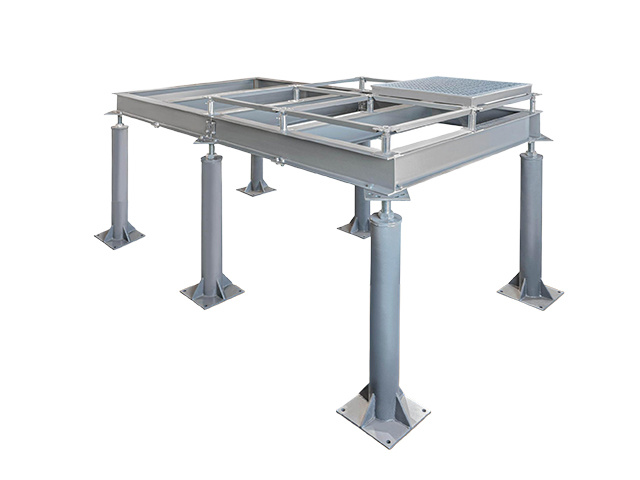
Raised access flooring, also known as raised floor systems, comprises individual panels supported by pedestals that create an accessible void beneath the floor. The panels can be made from various materials, including steel, wood, or concrete, depending on the specific requirements of the space. The ability to lift the flooring allows for easy installation and reconfiguration of electrical and mechanical systems, making it an ideal solution for environments requiring flexibility.
3. Key Advantages of Raised Access Flooring Systems
3.1 Flexibility and Adaptability
One of the primary advantages of raised access flooring systems is their flexibility. Organizations can easily modify the layout of their spaces without needing extensive renovations. As business needs evolve, companies can reconfigure the layout to accommodate new technologies or furniture arrangements. This adaptability allows businesses to stay functional and relevant in a rapidly changing environment.
3.2 Enhanced Cable Management
Raised access flooring provides unprecedented benefits for cable management. With a dedicated space beneath the floor, businesses can manage cables, wires, and other utilities more effectively. This reduces clutter and ensures a safer working environment. Additionally, quick access to cables simplifies the process of upgrades or troubleshooting, further enhancing operational efficiency.
3.3 Improved Airflow and Ventilation
Maintaining optimal air circulation is crucial for many environments, particularly in data centers and server rooms. Raised access flooring systems improve airflow by allowing conditioned air to circulate efficiently through the space. This reduces energy costs and enhances equipment performance, contributing to a more sustainable and efficient operation.
3.4 Aesthetic Appeal
Raised access flooring is available in various finishes, colors, and materials, allowing for a wide range of aesthetic designs. Businesses can select flooring that complements their brand identity and office decor. This contributes to a professional and modern appearance, helping to make a positive impression on clients and employees alike.
3.5 Sustainability and Eco-Friendliness
Many raised access flooring systems are designed with sustainability in mind. The materials used can be sourced from recycled content, and the design promotes energy efficiency. As organizations strive to reduce their carbon footprint, adopting raised access flooring systems can be a significant step toward achieving sustainability goals.
4. Applications of Raised Access Flooring Systems
4.1 Commercial Offices
In commercial office environments, raised access flooring systems provide the flexibility needed to accommodate changing technology and workplace layouts. Employees can enjoy a cleaner, more organized workspace while maintaining easy access to power and data connections.
4.2 Data Centers
Data centers rely heavily on raised access flooring systems for efficient management of cables and airflow. The ability to maintain optimal cooling conditions while keeping infrastructure organized is crucial for performance and reliability. This solution proves invaluable in reducing downtime and enhancing equipment longevity.
4.3 Educational Institutions
Schools and universities benefit immensely from raised access flooring systems. These systems allow for easy upgrades and changes in technology, ensuring that classrooms and lecture halls can adapt to modern educational needs. The efficient management of wiring and cables promotes a distraction-free learning environment.
4.4 Industrial Environments
In industrial settings, raised access flooring can improve safety by keeping cables off the ground, reducing trip hazards. These systems also enable better organization of tools and equipment, enhancing overall workflow efficiency and productivity.
5. Installation and Maintenance of Raised Access Flooring Systems
Installing raised access flooring requires careful planning and expertise. It is essential to analyze the specific needs of the space and ensure that all components, such as pedestals and panels, are correctly configured. Regular maintenance is advisable to ensure the system functions efficiently and remains in good condition over time.
6. Cost Factors to Consider
When considering raised access flooring systems, several cost factors come into play. The initial investment in materials and installation must be evaluated against long-term savings achieved through improved energy efficiency and reduced downtime. Businesses should conduct a cost-benefit analysis to determine the economic viability of this flooring solution.
7. Frequently Asked Questions (FAQs)
Q1: What types of materials are used in raised access flooring systems?
A1: Raised access flooring systems can be made from various materials, including steel, aluminum, and wood. The choice depends on factors such as load requirements, aesthetic preferences, and environmental considerations.
Q2: How does raised access flooring improve air quality?
A2: Raised access flooring improves air quality by facilitating efficient airflow and ventilation, reducing dust accumulation, and allowing for better distribution of conditioned air throughout the space.
Q3: Can raised access flooring be installed in existing buildings?
A3: Yes, raised access flooring can be installed in existing buildings, provided that the structural integrity of the building allows for it. An assessment by professionals can determine the best approach for installation.
Q4: How long does raised access flooring last?
A4: The lifespan of raised access flooring depends on the materials used and the level of wear and tear it experiences. However, with proper maintenance, it can last several decades.
Q5: Is raised access flooring suitable for all types of businesses?
A5: Raised access flooring is ideal for businesses that require flexibility and efficient space management, such as offices, data centers, and educational institutions. However, it may not be necessary for smaller, less complex environments.
8. Conclusion
Raised access flooring systems offer a multitude of advantages that cater to the evolving needs of modern businesses. From enhancing flexibility and cable management to improving airflow and aesthetics, these systems provide functional and sustainable solutions for various applications. As organizations continue to adapt to changing technologies and work environments, raised access flooring systems will undoubtedly play a pivotal role in creating efficient and organized spaces. Embracing this innovative flooring solution can lead to increased productivity, improved employee satisfaction, and a professional appearance that stands out in any industry.

Contact us
Email address
Company address
Hengshanqiao Town, Wujin District, Changzhou City, Jiangsu Province