
Understanding Raised Access Flooring: Benefits and Applications
2026年10月17日
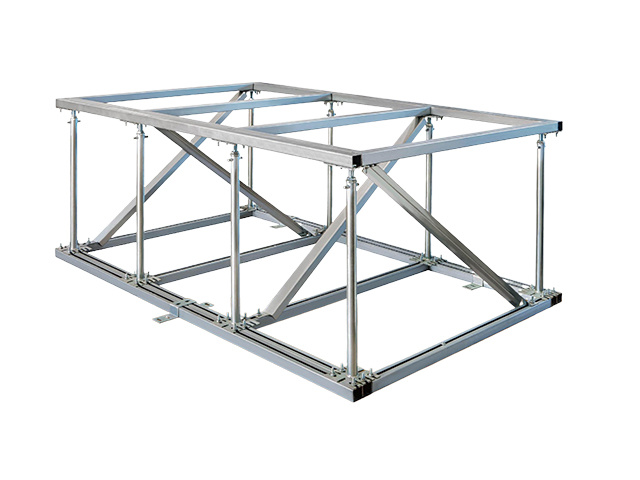
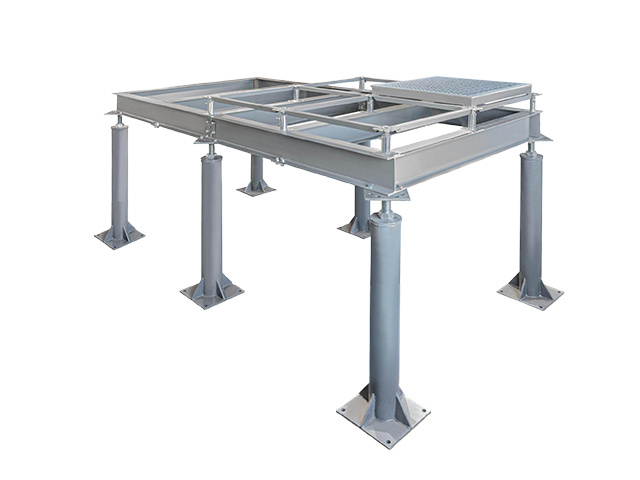
Raised access flooring is a versatile flooring system that has gained popularity in commercial and industrial buildings, serving a myriad of functions. This innovative flooring solution consists of a series of panels elevated above the structural floor, creating an accessible space that can accommodate electrical, data, and mechanical systems. The key benefits of raised access flooring make it an ideal choice for various applications, especially in fast-paced environments where flexibility is crucial.
One of the primary advantages of raised access flooring is its ability to enhance the adaptability of workspaces. In offices, for instance, businesses often require frequent changes to their layouts to accommodate evolving team dynamics or updated technological needs. With a raised access flooring system, these adjustments can be made with greater ease. The flooring allows for quick access to the hidden infrastructure below, which means that electrical cables and data lines can be easily rearranged without the need for disruptive renovations.
Moreover, raised access flooring contributes significantly to improved air circulation and thermal management within a building. The space created beneath the floor allows for better airflow, which is particularly beneficial in environments that utilize underfloor air distribution systems. This can lead to enhanced comfort for occupants and potentially reduce energy costs as buildings can be more efficiently heated or cooled.
Durability is another critical aspect of raised access flooring. These systems are typically constructed using robust materials, ensuring longevity and resilience against heavy foot traffic and the potential impact of office equipment. This durability, combined with the ease of maintenance, makes raised access flooring a cost-effective solution over time.
Additionally, raised access flooring promotes a cleaner and more organized workspace. By concealing cables and other mechanical equipment underneath the floor, it minimizes clutter and enhances the aesthetic appeal of an environment. This is particularly important in modern office designs, where open spaces and minimalist aesthetics are highly sought after.
In terms of applications, raised access flooring is not limited to office buildings. It is widely used in data centers, where efficient cooling and easy access to cabling are critical. Educational institutions, hospitals, and even retail spaces can also benefit from this flooring system, providing them with the flexibility to adapt to changing needs while maintaining an organized appearance.
In summary, raised access flooring stands out as an innovative solution that addresses various building challenges. Its adaptability, improved airflow, durability, and aesthetic benefits make it a valuable option for modern construction and renovation projects. By understanding the advantages and applications of raised access flooring, architects, builders, and facility managers can make informed choices that enhance both functionality and design in their spaces.

Contact us
Email address
Company address
Hengshanqiao Town, Wujin District, Changzhou City, Jiangsu Province