
Understanding Raised Access Floor Pedestals: Key Components for Modern Building Solutions
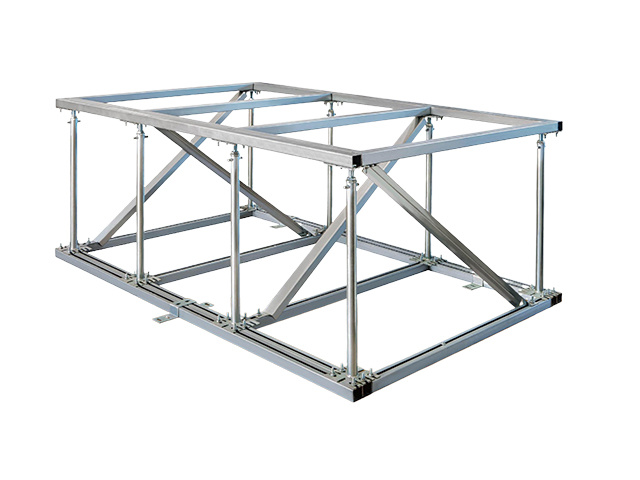
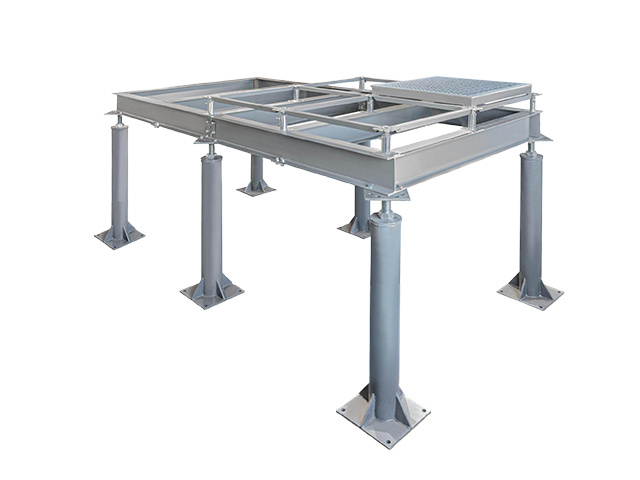
Raised access floor pedestals are integral components of modern flooring systems, providing both functional and aesthetic benefits for commercial and institutional buildings. These pedestals create a space between the structural floor and the finished floor surface, allowing for the efficient management of mechanical, electrical, and plumbing systems. This design not only enhances the flexibility
2026年09月27日
Raised access floor pedestals are integral components of modern flooring systems, providing both functional and aesthetic benefits for commercial and institutional buildings. These pedestals create a space between the structural floor and the finished floor surface, allowing for the efficient management of mechanical, electrical, and plumbing systems. This design not only enhances the flexibility of space utilization but also facilitates easy access for maintenance and future modifications.
The construction of raised access floor pedestals typically involves durable materials such as steel or aluminum, ensuring stability and strength. These pedestals are usually adjustable, allowing installers to achieve the desired height while accommodating variations in the subfloor. The adjustability feature is crucial, especially in renovation projects, where existing floor conditions may not be uniform.
One of the primary advantages of using raised access floor pedestals is the ease of installation and maintenance. As technology evolves, the need for efficient cabling systems and HVAC components has increased. The void created by the raised access floor allows for organized cabling, reducing clutter and improving airflow, which is particularly beneficial in environments like data centers and offices. Furthermore, the ability to quickly access utilities beneath the floor surface means that repairs and updates can be performed with minimal disruption to the workspace.
Another important consideration is the aesthetic appeal of raised access floor systems. With a variety of surface finishes available, including tiles and carpet, designers can achieve the desired look while still maintaining functionality. This versatility allows for creative design choices that can align with corporate branding or architectural styles, making raised access floors a preferred choice in modern office environments.
When selecting raised access floor pedestals for a project, it is essential to consider factors such as load-bearing capacity, height adjustability, and compatibility with various floor finishes. Proper planning and installation are vital to ensuring that the system performs as intended and meets local building codes.
In conclusion, raised access floor pedestals play a significant role in enhancing the functionality and aesthetics of modern spaces. Their ability to support complex building systems while providing flexibility and ease of maintenance makes them an indispensable choice in contemporary architecture. For professionals in the construction and decorative materials industry, understanding the technical aspects of raised access floor pedestals can lead to informed decisions and successful project outcomes.

Contact us
Email address
Company address
Hengshanqiao Town, Wujin District, Changzhou City, Jiangsu Province